


Why we put our bathroom heaters through the “steam chamber”
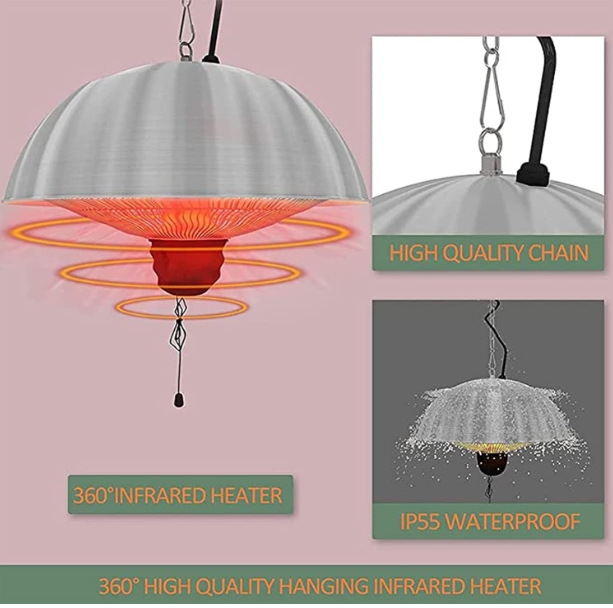
Let’s be honest: bathrooms are a nightmare for electronics. You’ve got thick steam, random splashes of water, and temperatures that jump from freezing to sweltering in minutes. On a spec sheet, we list these units as IP55. That’s just engineer-speak for “it keeps out dust and handles water jets.” But a label doesn’t mean much when a real person is taking a hot shower. That’s where the real work happens.
The “Damp-Heat” Stress Test
Standard quality checks are fine for catching a dud right out of the box. But they won’t tell you if a seal is going to fail six months down the road. To fix that, we put our batches through damp-heat aging. Basically, we simulate years of bathroom steam in just a few weeks. Here’s the problem: water vapor is sneaky. It finds microscopic gaps in the housing and crawls inside. Once it hits the high-voltage terminals? That’s when things get dangerous. We crank the humidity to 95% and push the heat to the limit. We want to see if those gaskets shrink or crack. If they survive our lab, they’ll survive your bathroom.
The “Breathing” Problem
Getting to IP55 isn’t as simple as putting a lid on a lamp. We use specific silicone gaskets and hydrophobic coatings on the lens to keep the wet stuff out. But there’s a weird physics quirk here. The infrared element gets incredibly hot, which creates a pressure difference between the inside of the heater and the humid air outside. The unit actually “breathes.” When it cools down, it can practically suck moisture right into the guts of the machine. Our aging tests make sure those seals stay tight, even during those rapid temperature swings.
The Trade-off
There is a catch, though. When you seal a unit this tightly to keep water out, the heat can’t escape as easily. It’s a bit like wearing a winter coat in the summer—it keeps the rain off, but you’re going to get warm. Because we’ve locked the unit down for safety, the internal temperature runs higher than it would in a cheap, open-frame heater. Just keep that in mind with your wiring and where you mount it. For us, that’s a trade-off we’re happy to make. We’d much rather have a warm housing than an electrical short in a wet zone.