Stop the Bathroom Mold Before it Starts
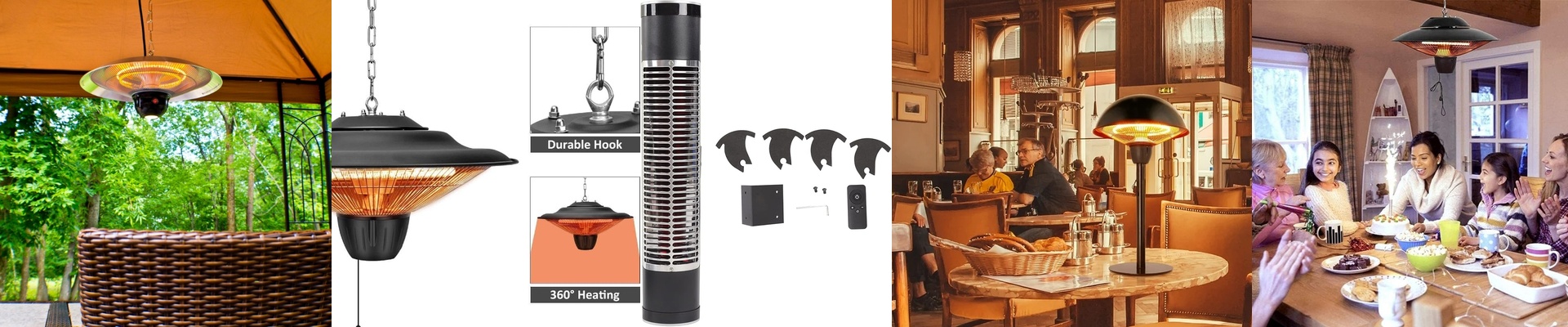
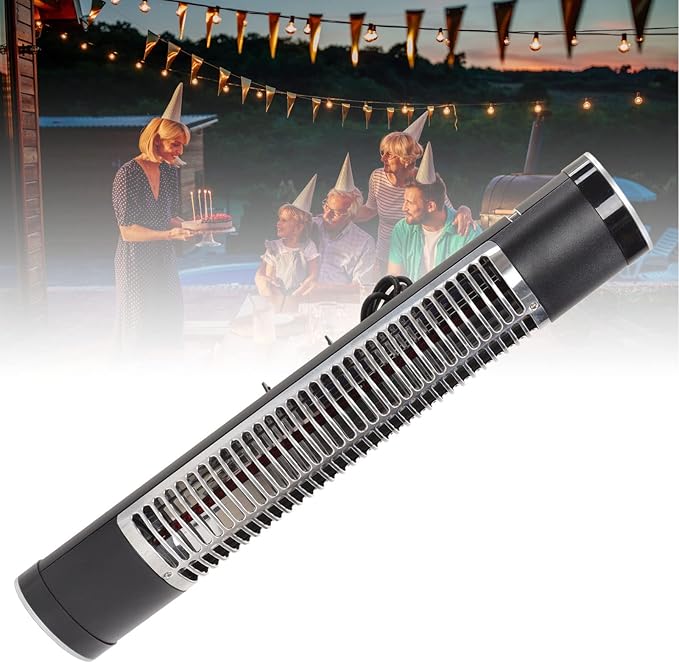
Most people think bathroom heat lamps are just about not shivering while you dry off. But if you look at it differently, they’re actually a secret weapon for fighting moisture. When you put an IP55-rated infrared heater in a steamy room, you’re doing more than just warming up the air. You’re actually warming up the surfaces—the walls, the tiles, the shower curtain—which is exactly how you stop mold from moving in.
How it actually works
We use shortwave infrared tech. Now, unlike those old-school heaters that just blow warm air around, this stuff hits the surfaces directly. Think of it like sunlight hitting your skin on a cold day. It warms the wall itself. When the wall stays warmer than the air, water can’t settle and bead up. No condensation means no damp corners, and no damp corners means mold spores have nowhere to live.
Built for the splash zone
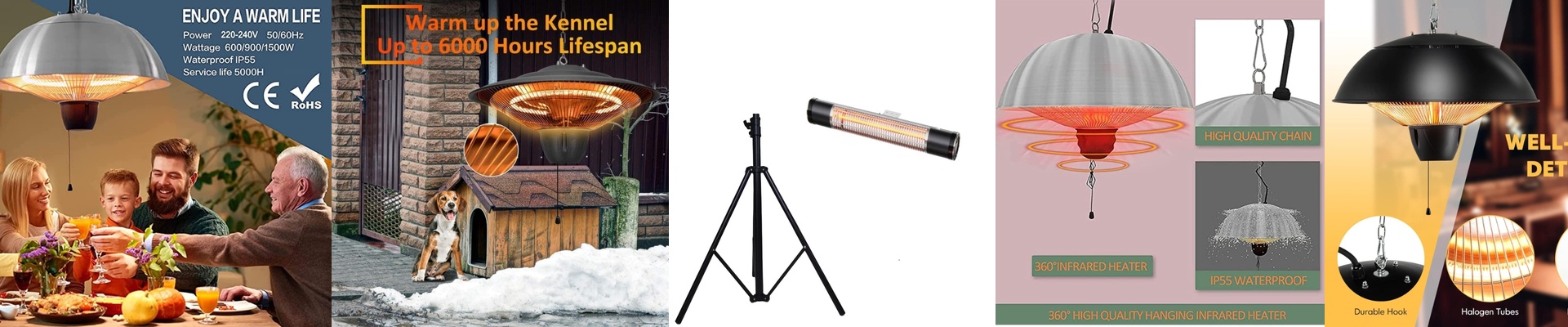
You’ll see “IP55” on the box. In plain English? It means the housing is sealed tight against dust and can handle water jets coming from any direction. We build these things to take a beating from steam and accidental splashes without blowing a fuse. Inside, there’s a quartz tube. We picked these because they’re incredibly fast. They hit full heat in a few seconds, which is perfect because nobody spends three hours in the bathroom.
A few things to watch out for
Here is the catch: these lamps put out a lot of intense heat. If you mount them too low or too close to plastic trim, you might actually warp your fixtures. You’ve got to get the mounting height right based on the wattage so you don’t end up with “hot spots.” Also, do yourself a favor and wire these into their own dedicated circuit. The initial surge of power when they kick on is pretty steep. If you don’t have a breaker that can handle that peak load, you’ll be tripping your power more often than you’d like. It’s a simple setup, but it does more than keep you cozy—it actually dries the room out.