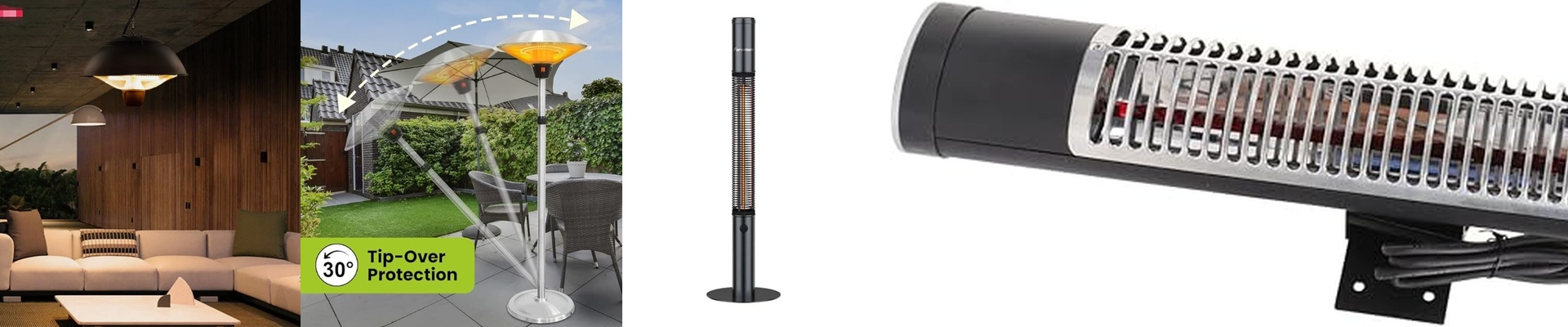
Introduction
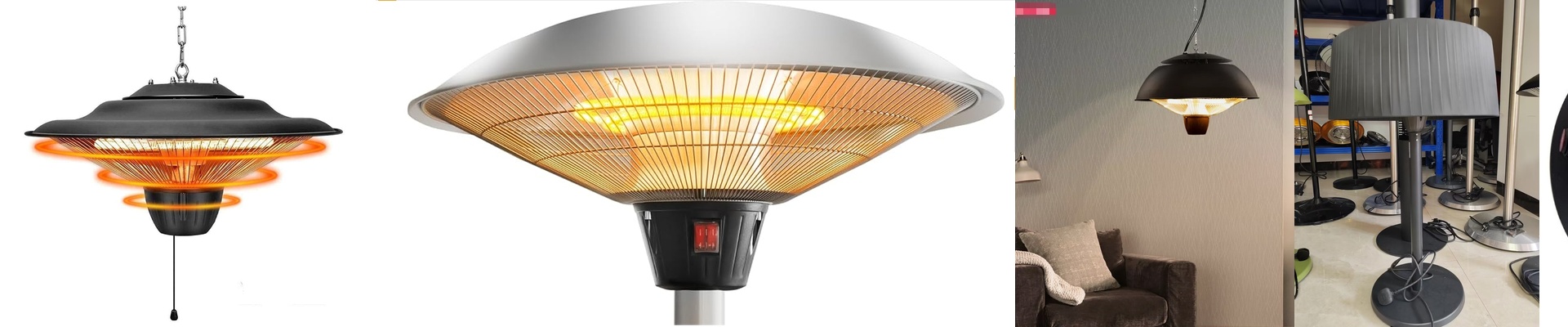
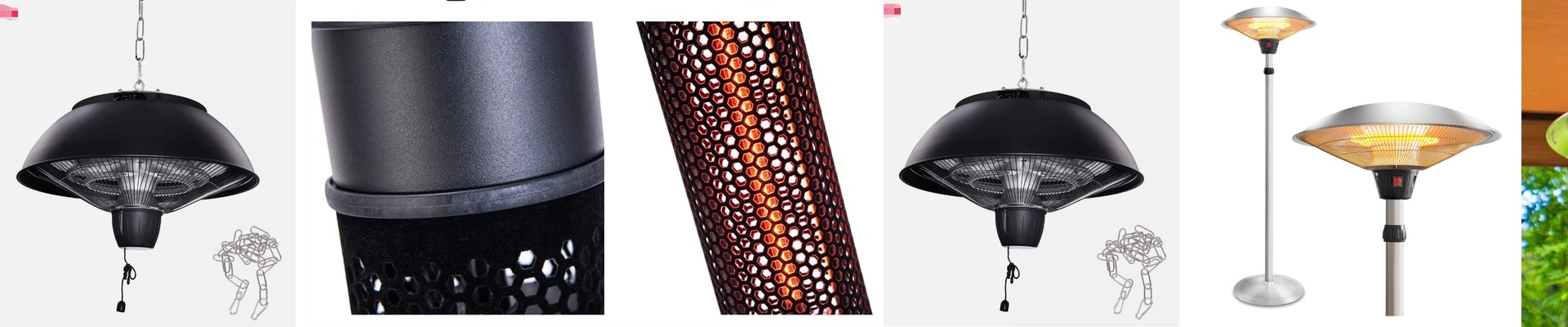
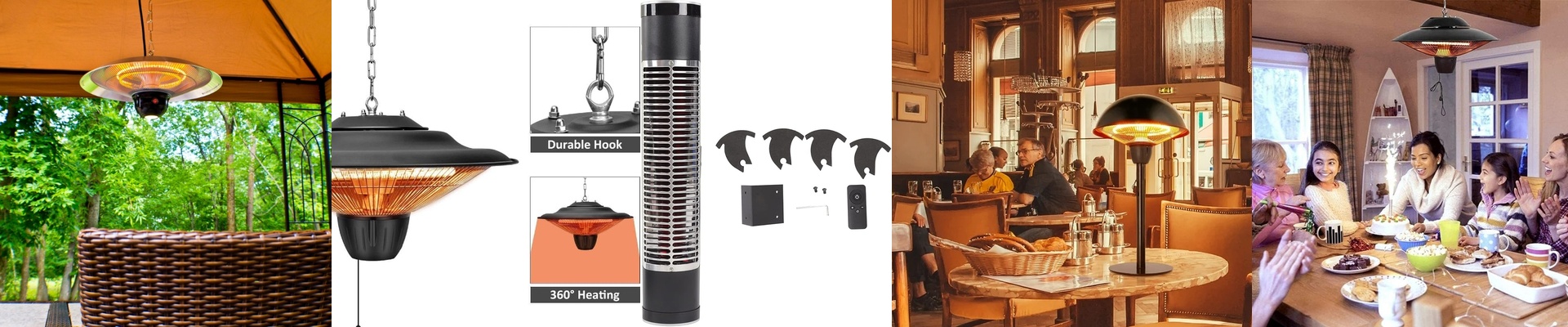
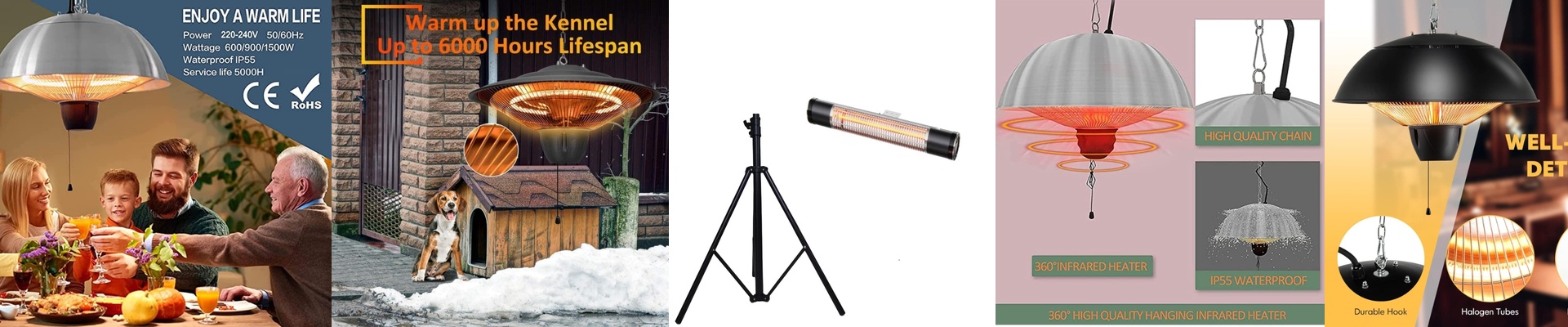
We build infrared heaters that don’t quit—made for the outdoors, made for wet weather, and made for the places people actually gather, like bar patios and commercial spaces. Our waterproof halogen infrared heaters are all about targeted warmth. Not just “warmth,” but the kind you can count on. It’s reliable, it’s energy-smart, and it keeps showing up, day after day, even when the weather is doing its worst.
Power, Voltage, and Getting the Right Fit
Here’s the key to making these heaters work their best: match the power to the space. We use a tough halogen infrared element that cranks out serious heat density—and it heats up fast. If you’ve got a big patio, you’ll want a higher wattage unit so everyone gets even coverage. Power and voltage are connected, of course. Most setups run on standard 220V–240V circuits. But if you need more output, we can set you up on a 400V system. Going higher on wattage with 400V gives you more heat per amp—but it also means the electrical side has to be properly rated. You get the heat you need, sure, but it does mean committing to a dedicated, high-capacity circuit.
Material & Design: Built for the Elements
These heaters live outside. So they’re built like it. The body is fully waterproof, rated to IP standards, so rain, snow, and splashes don’t become a problem. The quartz tube around the halogen element is tough—it handles thermal shock and impact without cracking. That design keeps moisture out and prevents the kind of burnout that happens when water gets in. And the connectors matter. We use standard connectors like R7s or Sk15 so the install is clean, quick, and secure. No fiddling. No loose contacts that could overheat. You wire it up, and it just stays put.
Real-World Use: Heat That Works, Without the Headaches
In commercial settings, downtime isn’t just inconvenient—it costs you. That’s why our waterproof infrared heaters are built to drop right in as a replacement for standard outdoor units. They turn on instantly and send heat where you need it, warming people and surfaces directly instead of wasting energy heating the air. That direct approach is naturally more energy-efficient, especially in open or semi-enclosed areas. For engineers and facility managers, that translates to lower operating costs and a heating solution that can take a beating without failing. Now, it’s worth saying: these units are designed for focused heat, not for warming up a fully enclosed room. But for outdoor patios? They’re exactly the right tool for the job.