

Why Waterproof Ratings Are the New Standard for Infrared Heaters
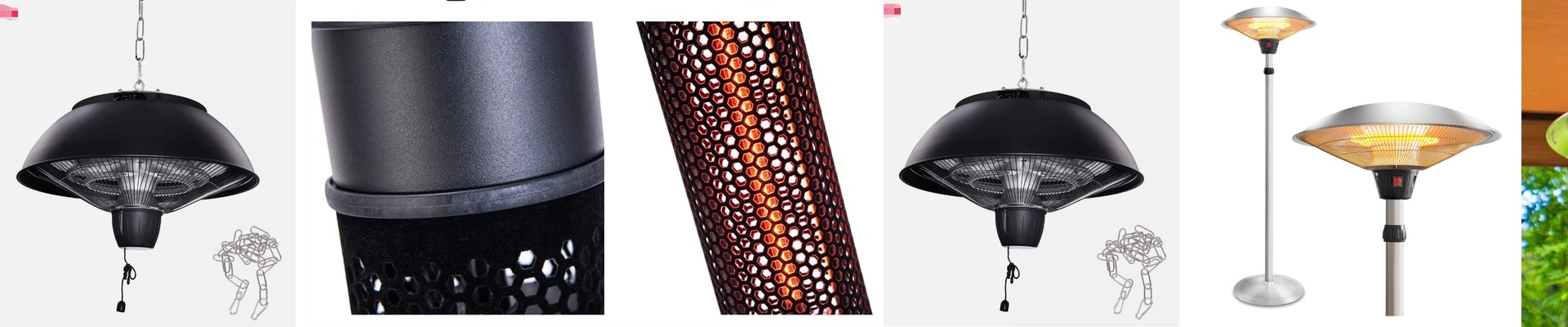
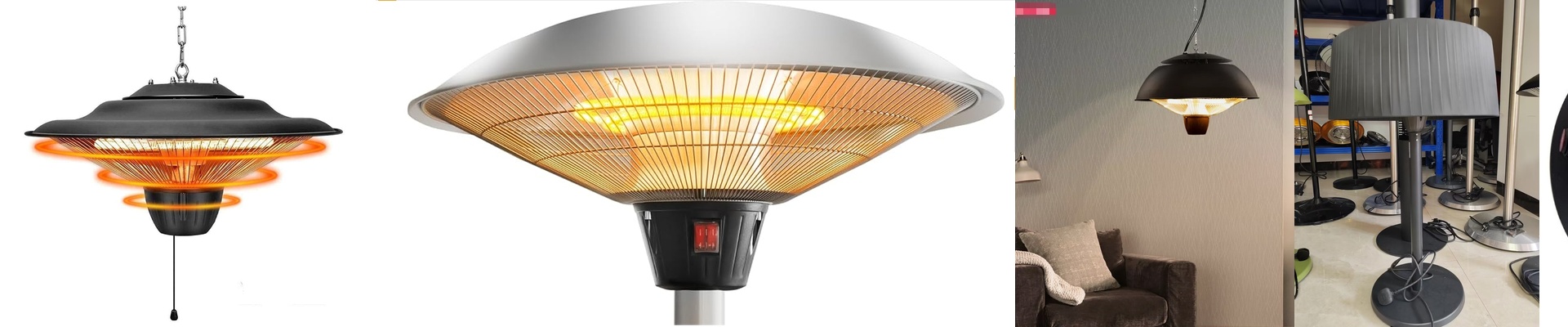
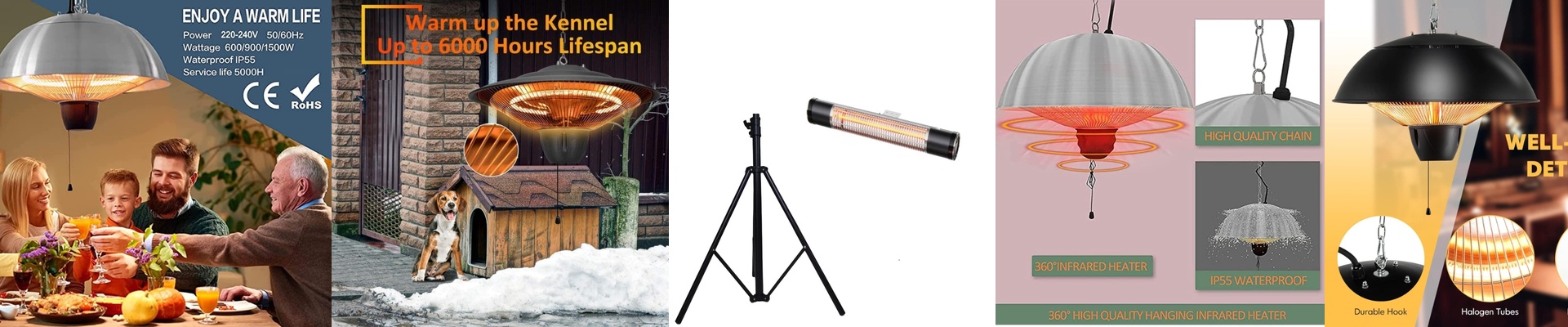
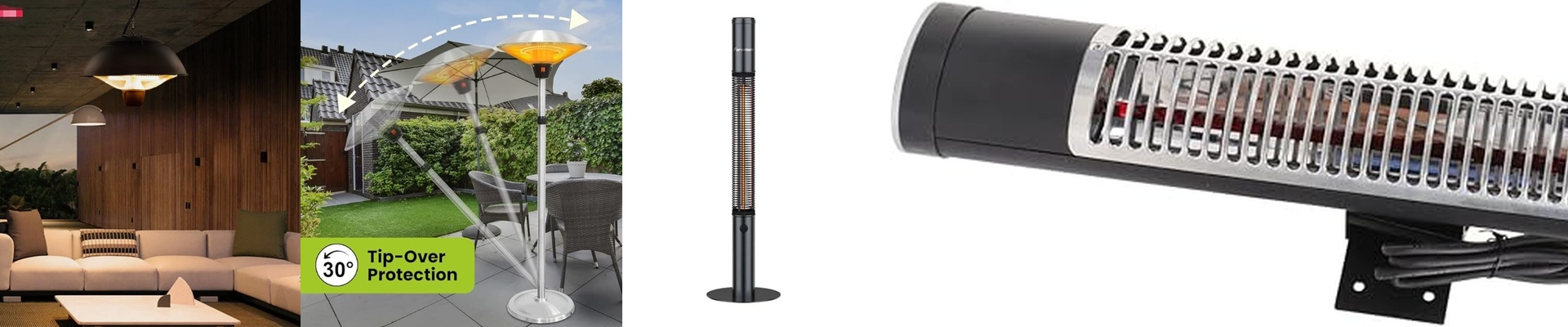
You know how it goes—things change, and suddenly the old way feels… clunky. That’s exactly what’s happening with infrared heaters. These days, high-grade waterproof infrared heaters are taking over from the old lamp-style systems. And honestly, it’s not about looks. It’s about staying dependable when the air is thick with steam and the conditions get tough. Traditional heaters just can’t handle moisture the way these do. They choke on humidity, and the constant heating and cooling can wear them down. But infrared heaters built to serious waterproof ratings—IPX4 and higher—take steam and high humidity in stride. They don’t short out. They don’t corrode. That’s why, if you’re upgrading a bathroom, this is the direction you go. You need something that keeps working, day in, day out, and stays safe no matter what.
Power, Voltage, and Heat: What Makes These Heaters Tick
When you’re heating a big factory space from the ceiling, you want heat that hits hard and hits fast. That’s the whole point of radiant heaters. These units pack a punch—think 2500W to 3000W—so the heat is immediate. And the 400V setup is a smart move for longer runs. It keeps the current lower, so you don’t lose voltage down the line. The tubes usually run between 300mm and 600mm, sized to spread the heat across the right area. It all adds up to a heater that’s compact but seriously intense. Just keep one thing in mind: with that much output, you’ve got to plan your electrical setup and give the space room to breathe. High heat means you need to manage the ambient temperature around the unit.
Inside the Build: Halogen, Quartz, Coating, and the Right Connections
At the heart of it is a halogen-filled quartz tube. The halogen keeps the filament stable and helps the tube stay bright longer by cutting down on that blackening effect. The quartz itself is tough—it can handle rapid heating and cooling without cracking. Then there’s the reflective coating. It does exactly what you want: pushes more infrared energy downward, straight to where you need it. More usable heat, less waste. And when it comes to hooking things up, they use R7s and SK15 connectors. These aren’t fussy. They give you a solid connection and make wiring quick—no tools needed. They also stay tight, even when things vibrate or expand and contract with the heat.
What It Feels Like in Real Life: Efficient, Simple, and Under Control
Here’s the payoff. This setup heats up fast, gives you warmth exactly where you want it, and fits into existing spaces without a headache. You get more heat density than open coil systems, and you don’t get that layering effect where warm air rises and the floor stays cold. For the people who have to keep these things running, it means fewer surprises. The temperature stays steady, the maintenance is simpler, and you’re not getting calls in the middle of the night. Of course, there are a few things to plan for. You need to make sure your electrical lines can handle the load, give the unit enough clearance, and protect nearby components from direct heat. But when you get the specs right, these heaters deliver. They give you industrial-grade comfort that you can count on, even in wet, demanding spaces.