Making Your Infrared Heating Tables Actually Smart
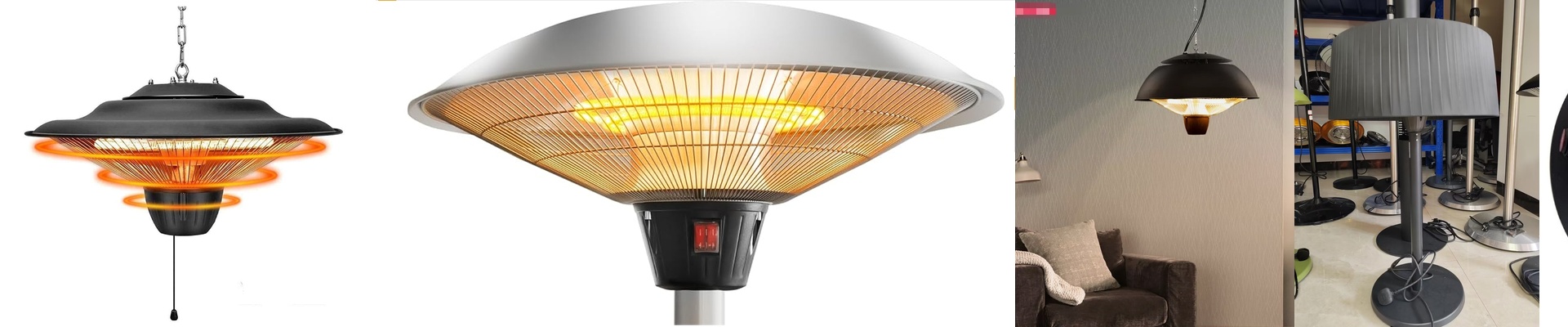
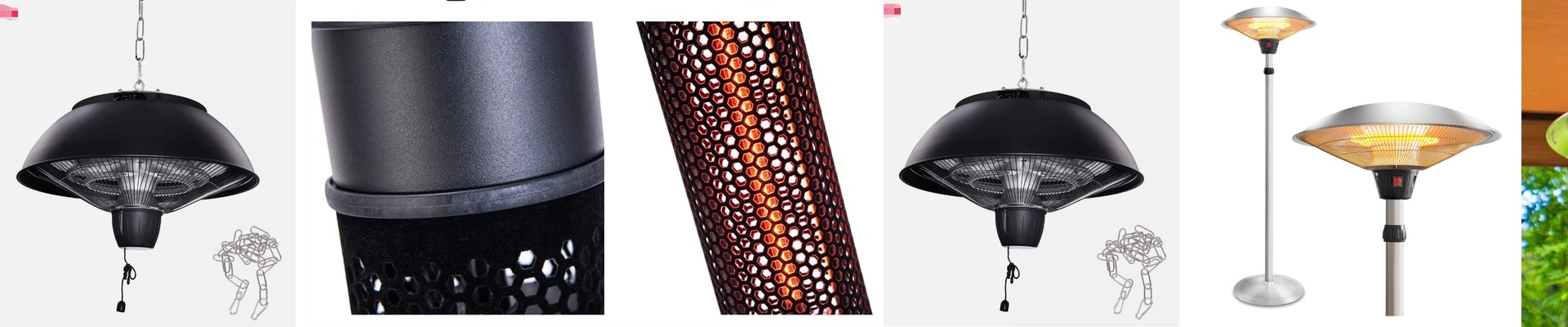
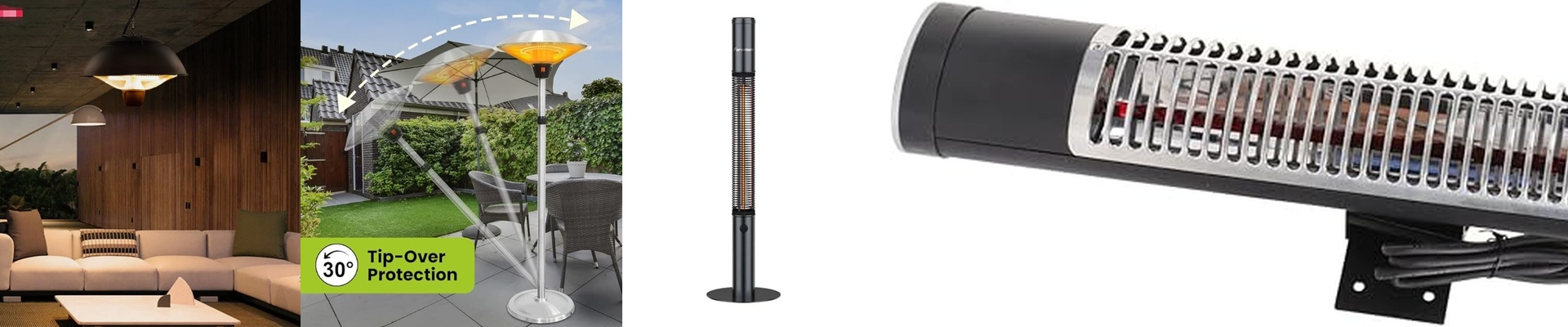
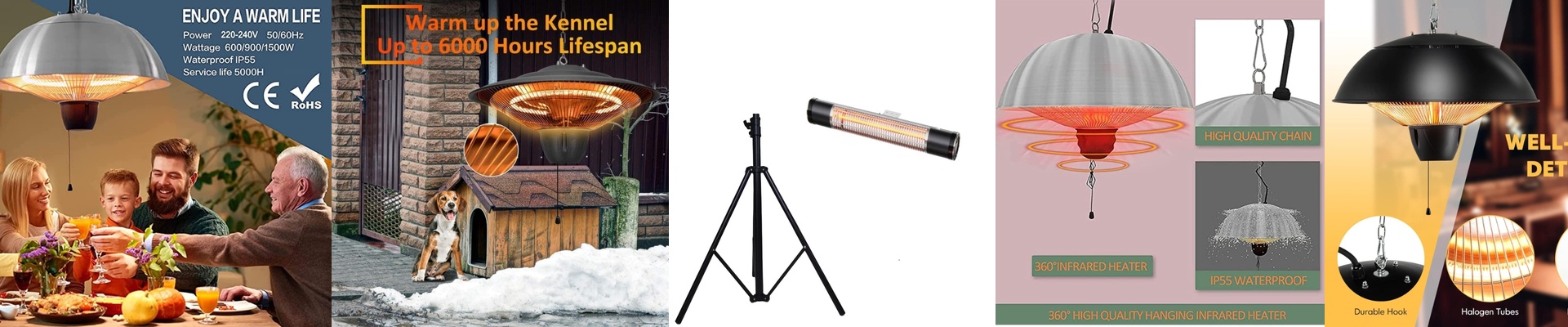
Let’s talk about these IP44 infrared heating tables. If you’ve ever worried about dust or a stray splash of water shorting out your gear, that IP44 rating is your safety net. It keeps the guts of the machine protected so you can actually use them in the real world without stressing. But the real magic happens when you stop flipping manual switches and let a smart home system take over.
The Tech Under the Hood
We use short-wave infrared emitters. The cool thing about these is that they don’t waste time heating up the air around them. They go straight for the object. It’s fast. Really fast. You hit a button, and you’ve got warmth almost instantly.
Getting it Connected
If you want that “one-click” warmth, you’ll need to hook the table up to a smart gateway using a high-load relay or a PLC. This lets your app or your sensors tell the lamps when to kick in. Now, here is the tricky part: you can’t just slam a high-wattage heater on and off. If you do, you’ll burn out the elements or trip your breakers. To fix this, we use PID controllers and soft-start circuits. It smooths out that initial power spike, so your lights don’t flicker and your fuses stay put.
A Few Things to Watch Out For
Adding smart controls makes the wiring a bit more involved. You have to make sure your smart relay can actually handle the load. If you go too small, the contacts can literally weld themselves shut. Not a great look. Plus, there’s the issue of interference. High heat can sometimes mess with your Wi-Fi or Zigbee signals. We suggest using shielded cabling for the control signals. It takes a little more effort during setup, but it means your system won’t start glitching just because you turned the heat up to max.