

Stop Breaking Glass: How Fast-Response IR Fixes Thermal Shock
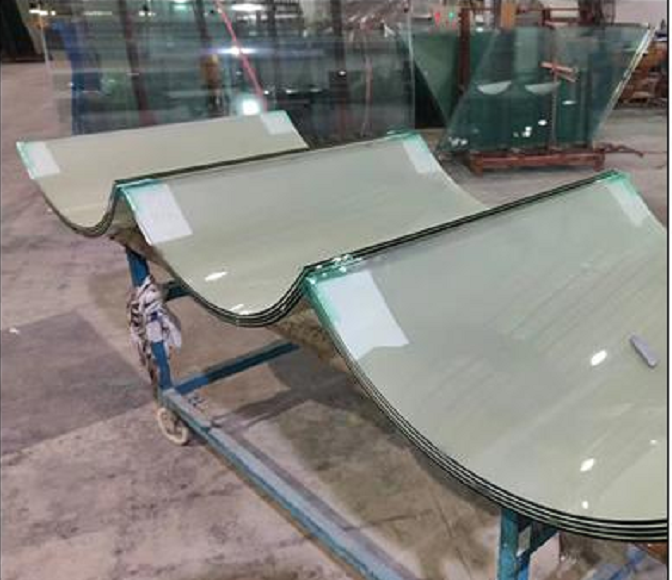
If you’ve ever watched a piece of tempered glass shatter right in the middle of a cycle, you know that gut-punch feeling. Usually, it comes down to the heat curve. Hit the glass too hard or too fast, and you get thermal shock. Sometimes it cracks immediately. Other times, it creates these invisible stress points that wait until the perfect moment to blow up in your face. That’s why we use short-wave infrared (IR) lamps. They’re fast. Like, really fast.
The Secret to Instant Control
Here’s the thing: to keep the glass safe, you need a system that can back off the second a sensor sees a temperature spike. Most resistive heaters are like old trains—they take forever to speed up and even longer to slow down. Even after you kill the power, they stay hot. Short-wave IR lamps are different. They have almost no thermal mass, so when you cut the power, the heat output drops nearly instantly. We pair these with SCR power controllers to handle the heavy lifting. It lets you tweak the wattage in real-time. You can crank the heat to hit that bending point, then snap the power back the moment you’ve reached it. No guessing. No overheating.
The Trade-offs (Because Nothing is Free)
Now, high-wattage IR tubes give you the heat density you need for fast tempering, but they aren’t exactly “plug and play” with cheap wiring. If you’re running 2kW+ lamps, your wiring and contactors need to be beefy enough to handle that initial inrush of current. And a word of advice on the hardware: don’t redline your lamps. If you run them at 100% all day, every day, you’re just asking them to burn out. We’ve found the sweet spot is running them at about 80% capacity. That leaves you a 20% buffer to make those quick adjustments without killing your equipment.
Getting it Right on the Shop Floor
When it comes to actually installing these on a bending machine, where you put the lamps is everything. If they’re too close, you’ll get “hot spots” that warp the glass. It’s a frustrating balancing act. Closer lamps mean you can move through your cycles faster, but you’re risking surface defects. Our trick? Use a staggered array. It helps the heat soak into the glass evenly, so you get a clean bend without the drama.