Why We Use Fast-Response IR for Inline Glass Annealing
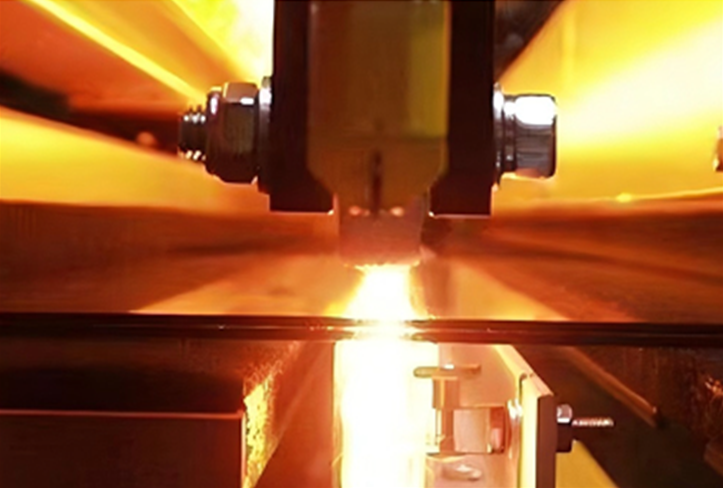
When you cut glass, you’re creating localized thermal stress. It’s a hidden tension that—if you don’t deal with it right then and there—ends in a crack. Not a great way to start a project. That’s why we rely on shortwave infrared (IR) lamps for inline annealing. They don’t mess around with heating up the air in a big box. Instead, they hit the glass surface instantly. It’s direct energy, exactly where it needs to be.
The Need for Speed
Here’s the thing: in a continuous production line, your glass is moving. Fast. You only have a few seconds to hit that annealing temperature before the piece is gone. Traditional heaters are too slow. They lag. But these IR lamps? They ramp up to full power in milliseconds. It means we can relieve the stress on the glass without ever having to stop the belt. It just works.
Keeping the Flow
The real beauty of this setup is that it kills the need for batch processing. You don’t have to haul your glass over to a separate lehr oven and wait around. We just put the IR heaters right into the cutting line. Suddenly, a clunky two-step process becomes one smooth motion. Everything just keeps moving.
The Trade-offs (Because Nothing is Perfect)
Now, this kind of power comes with a price. High-intensity IR lamps pull a lot of juice. If you’re running a whole bank of these to cover a wide sheet, your electrical panels need to be ready for that sudden surge of current. And the heat? It’s intense. Like, “melt your rollers” intense. We have to be smart about shielding the conveyor belts and sensors. If you don’t, you’ll end up burning out your electronics in no time. It’s all a balancing act between heat and speed. If the belt moves too fast, you get cold spots. Too slow, and you’ll toast the edges of the glass. It takes a bit of tuning—tweaking the wattage and the distance—to get that thermal profile just right.