Stop Letting the Cold Kill Your Patio Profits
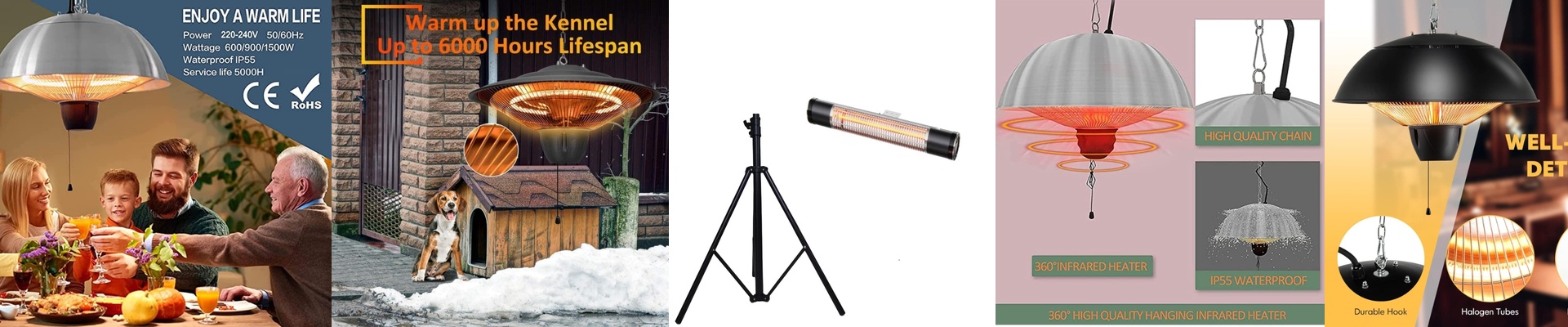
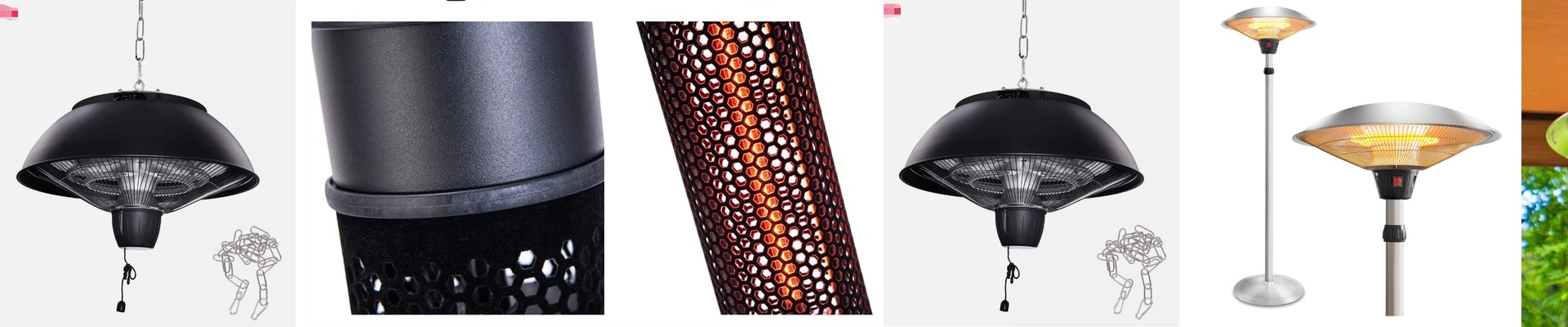
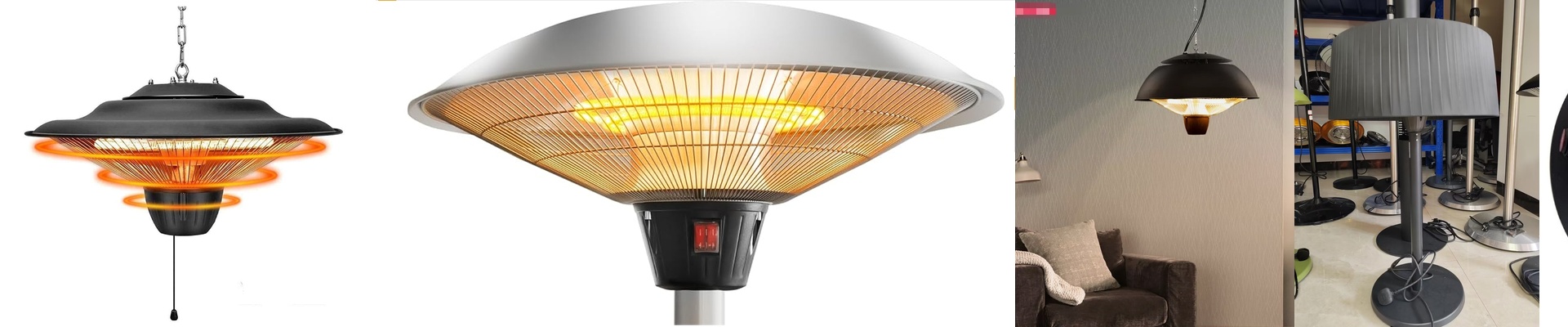
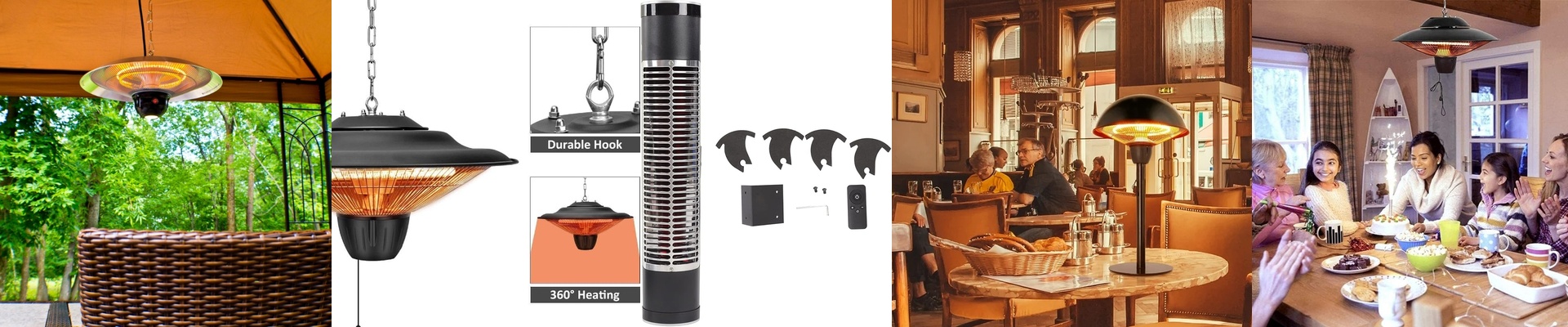
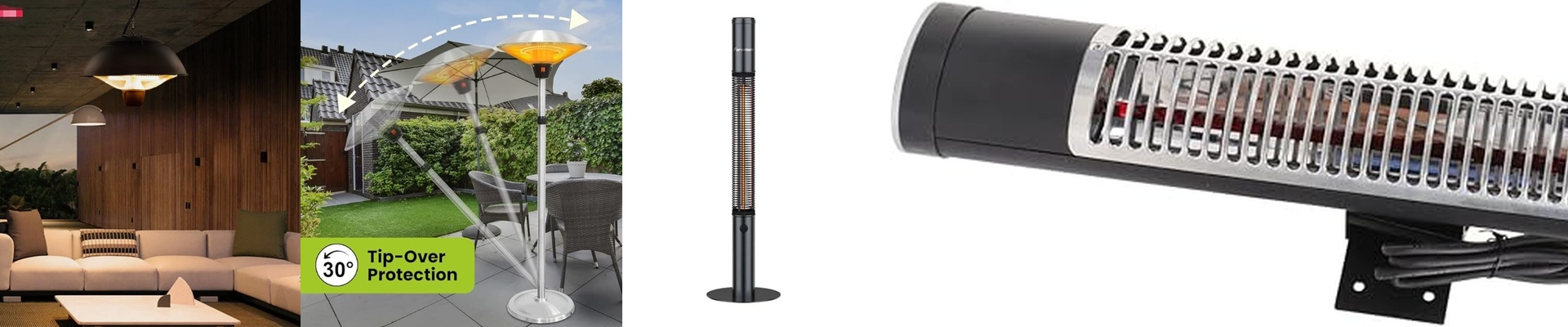
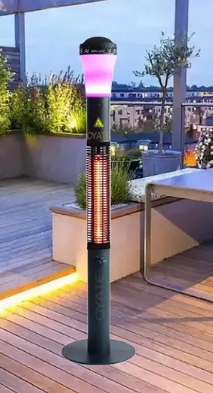
Let’s be honest: when it gets chilly, outdoor dining is a gamble. Your guests start shivering, they check their watches, and they leave way sooner than they would if they were comfortable. Or worse, they just won’t sit outside at all. That’s where shortwave infrared (IR) heaters come in. Most heaters try to warm up the air. But if there’s even a slight breeze, that warm air just blows right away. It’s a waste of money. IR heaters are different. They send heat directly to the person and the chair. It feels like stepping into a patch of sunlight on a winter day. It’s instant. There’s no waiting around for the unit to “warm up.” The second you flip the switch, it’s hot. This means you can flip a table and seat a new party immediately, no matter how freezing it is outside. But you can’t just throw these up and hope for the best. You have to get the layout right. I usually suggest a grid pattern. Why? Because “cold spots” are a nightmare. If a guest feels a draft on their back, they’re going to ask to move inside. Now you’ve got a prime indoor table taken up by someone who could’ve stayed outside if they just felt warm. You also have to watch the height. If you put a powerful heater too low, you’re basically cooking the tops of your guests’ heads. Too high, and the heat vanishes before it ever reaches the table. It’s all about finding that sweet spot where the heat feels like a consistent blanket over the whole area. Just a heads-up on the technical side: these things pull a lot of power. You can’t just plug these into a regular wall outlet and call it a day. You’ll need dedicated circuits and a solid breaker, otherwise, you’re looking at a blackout right in the middle of the Friday night dinner rush. And please, check your ceilings. These units get intense. Keep them far away from plastic decorations or fabric awnings. Nobody wants a fire hazard on their patio.