Stop Messing Around with Individual IR Lamps
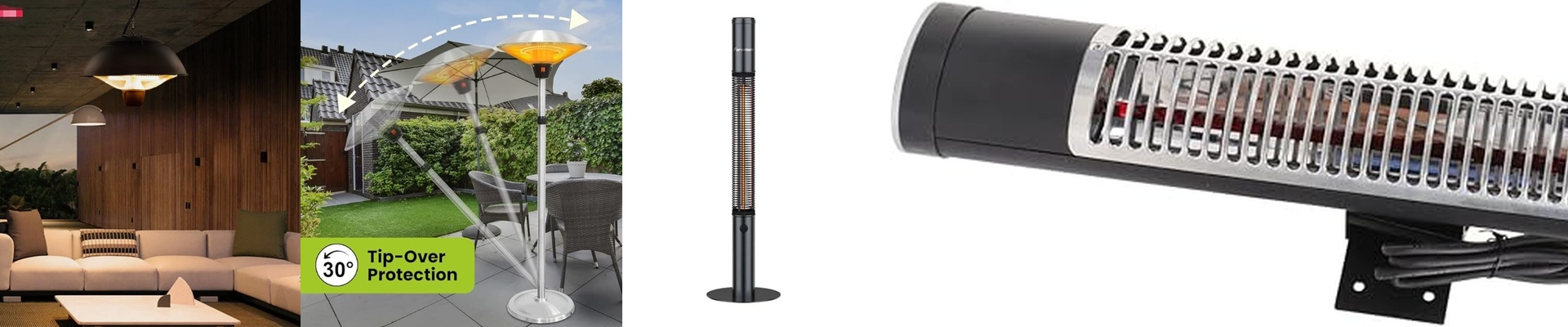
Let’s be honest: buying single infrared lamps is a headache. You’re basically paying to move the hard work onto your own shop floor. When you’re dealing with fiberglass annealing, heat uniformity is the only thing that actually matters. But when your team is stuck wiring up individual tubes by hand, you almost always end up with cold spots or curing that just isn’t consistent. It’s frustrating, and it wastes material. We figured there was a better way. Instead of handing you a box of parts, we build the curved heating modules for you. We take on the complexity so you don’t have to.
Why the “Module” Approach Just Works
Think of a single lamp as just a part. A module? That’s a complete system. We wrap the IR emitters into a curve that actually matches the shape of your fiberglass profiles. This closes the air gap between the heat and the material. When that gap shrinks, you stop losing radiant heat to the room and your ramp-up times get a lot faster. Of course, we build these to your specific wattage and voltage. Just a heads-up: if you’re pushing high-wattage densities to hit your temps quickly, make sure your power distribution blocks can handle the peak load. Nobody wants a burnout on day one.
Less Labor, Less Stress
Building a heating tunnel by hand takes forever. You’re spending hours on jigs and wiring, praying everything is straight. Our modules are basically “drop-in” replacements. We handle the reflector alignment and all the electrical terminations before they even leave our doors. You just slide the module into your frame, plug it into your controller, and you’re done. It also kills the risk of those annoying manual errors—like a loose connector or a lamp that’s slightly out of place—which are usually the culprits behind lamps burning out way too early.
One Thing to Keep in Mind
Here’s the trade-off. These high-density modules pack a massive amount of thermal energy into a tiny space. It’s great for getting more product through the line, but it puts a lot of pressure on your cooling. If your exhaust fans aren’t strong enough to pull the heat away from the housings, you’re going to overheat your wiring and fry your quartz envelopes. It’s a simple balance: the more heating power you want, the more airflow you need to keep things running cool.