Why Your Glassware Batches Keep Coming Out Different
Ever feel like you’re fighting your own equipment? You run a batch of glassware through the annealing process, and everything looks fine—until it doesn’t. One piece passes the pressure test, and the next one just snaps. Usually, the culprit is something invisible: thermal gradients. Here is the reality: if your infrared lamps are off by even 5%, you’re dealing with uneven stress across the glass. That’s how you end up with breakage during cooling. We fix this by getting obsessive about the wattage and spectral output of the emitters. No guesswork.
The trick to getting the heat right
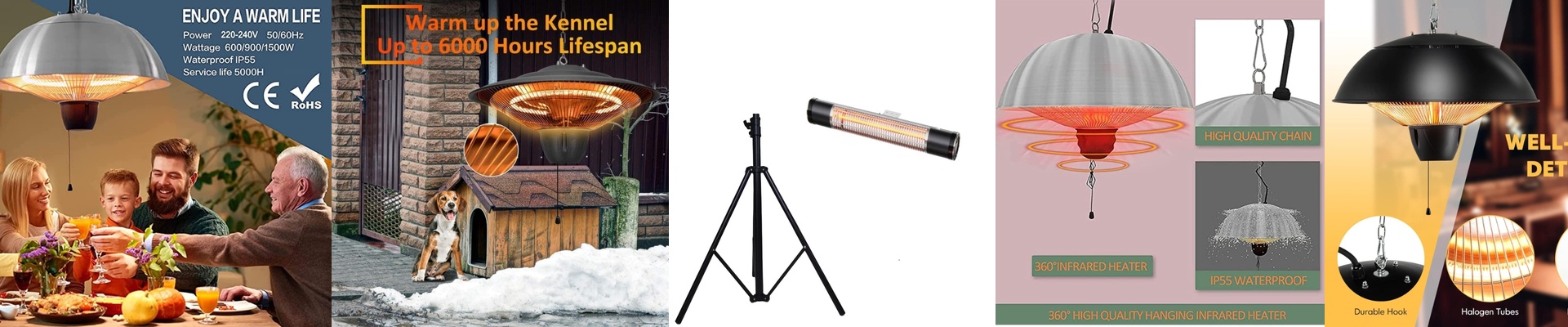
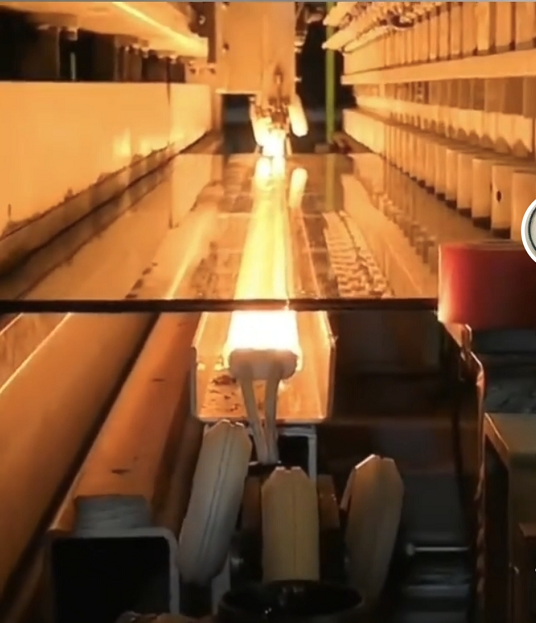
Most shops just use standard IR lamps. The problem is they drift. One lamp is pushing hard, another is lagging, and suddenly you’ve got “cold spots” in your oven. To compensate, a lot of people just crank up the heat for the whole batch. They “over-cook” everything just to make sure the weakest lamp hits the target. It’s a waste of energy and a risk to the glass. We do things differently. We spec our heating elements for consistency so every single tube puts out the exact same power. But it’s not just about the raw wattage. It’s about the wavelength. If the wavelength doesn’t match the absorption peak of your specific glass, the heat just bounces off the surface. You end up with a piece that’s scorched on the outside but still under-annealed at the core. Not a great recipe for quality.
A few things to watch out for
Now, pushing high-density IR heat puts a real strain on your hardware. When you pack more wattage into a small space, your lamp holders and wiring start to feel it. Keep an eye on your connectors. If they aren’t rated for the actual operating temperature, the terminals will oxidize and eventually burn out. It’s a headache you don’t want. Also, if you switch to high-consistency lamps, take a look at your PID controller tuning. Since the thermal response is much more uniform now, those old “offset” settings you used to balance out the cold spots might be too aggressive.
What this actually means for your shop
When the heat is uniform, you can finally stop worrying. You can tighten your cooling curves and move glass through the lehr faster without fearing thermal shock. It makes the whole process feel smoother. Plus, your scrap rate stabilizes. The best part? The first piece in the batch finally looks and acts exactly like the last one.