
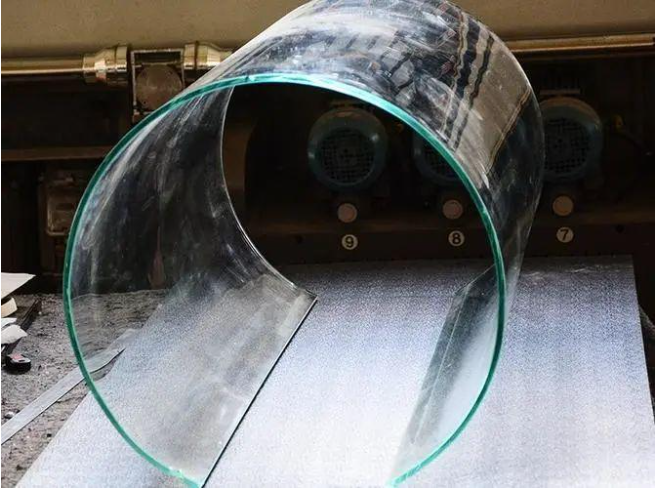
Getting Glass Annealing Right with IR Lamps
If you’ve worked with glass, you know the drill. If your temperature gradients are off, you get internal stress. And internal stress means your piece could crack or shatter when you least expect it. To stop that, we use medium-to-shortwave infrared lamps. They punch through the glass quickly and give you total control over each heating zone.
No More Installation Nightmares
Let’s be honest: the worst part of upgrading lamps is the physical struggle of getting them to fit. Nobody wants to spend a weekend rebuilding lamp holders or rewiring a whole chassis just to get a new bulb in. That’s why we made ours a direct swap. Whether you’re dealing with standard spiral heads or some weird, custom connector, these just slide right in. You don’t have to tear your machine apart. You just swap the lamps and get back to work.No downtime. No headaches.
The Nitty-Gritty on Heat
We don’t believe in one-size-fits-all. We tune the lamps to the actual weight and thickness of the glass you’re moving. We use high-wattage quartz tubes because they provide the raw heat density needed to hit annealing temps fast. One thing to watch out for: the connectors. We obsess over the mechanical fit because a loose terminal is a disaster waiting to happen. If it’s not tight, you get arcing, and your expensive new lamp burns out way too soon.
The Trade-off
Here is the catch. More power means faster cycles, which sounds great. But pushing more wattage into a small space puts a lot of stress on your reflectors and wiring. Before you crank it up, double-check your cooling fans. Make sure your ventilation can actually handle the extra heat hanging around the housing, or you’re just trading one problem for another.
Why This Actually Helps
Since the interface matches what you already have, the upgrade is basically painless. You keep the same machine footprint but get much more even heating. It means less thermal shock for your glass and way less manual labor for you. Just wire them up, tweak your PID controller, and you’re running.