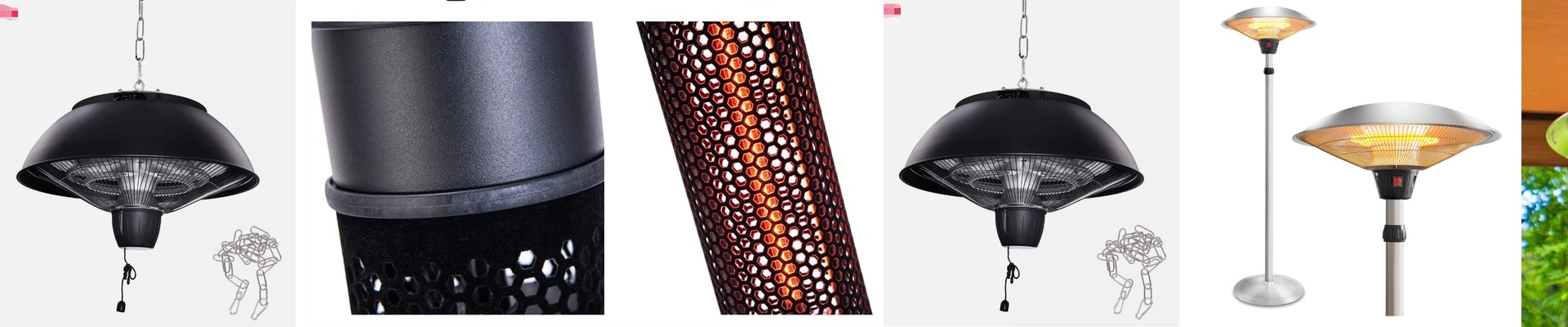
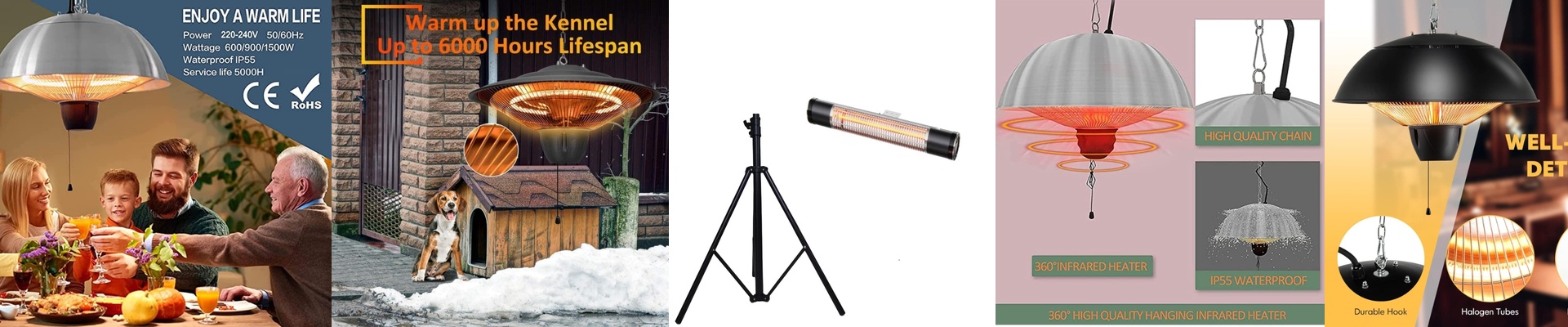
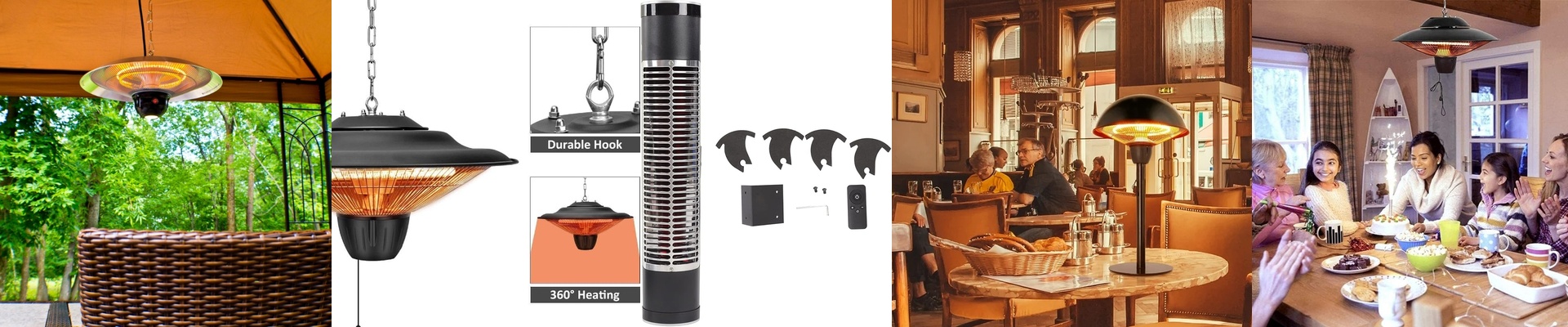
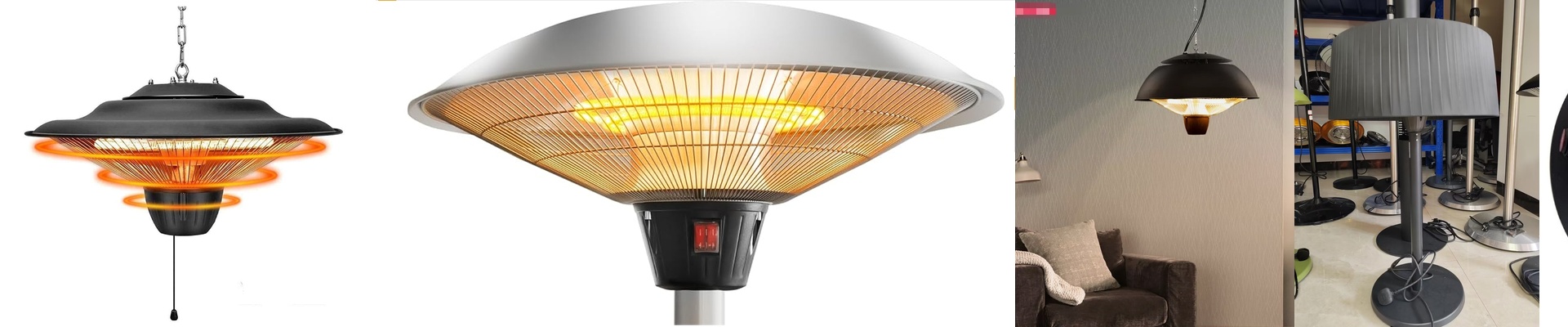
On the line, the kiln heater isn’t just a heat box—it’s the anchor for repeatable tempering, bending, and coating drying. When thermal uniformity drifts, you start seeing stress marks, warped edges, and scrap piling up. We build our glass kiln heaters to hold that thermal field steady, cycle after cycle. What matters technically We match the heat profile to the glass. Short-wave quartz emitters give you fast response and tight control, while medium-wave elements lay down even coverage for thicker loads. Input power is sized to your line—12 kW modules up to multi-zone arrays—running on 400 V three-phase or 600 V configurations. The elements are built for repeated thermal shock, and the housing uses high-temperature insulation to keep shell temps down and protect nearby components. Controls are set up for PLC integration, and we supply mounting brackets and terminal enclosures to drop into existing kiln frames. Why it works where it matters In tempering, uniform heating keeps quench consistent, so bow and warp stay within spec. In bending, predictable temperature across the mold cuts optical distortion and tames edge roll. For lamination prep and coating drying, the faster ramp-up shortens the process window without scorching—throughput goes up, energy draw goes down. The payoff is fewer rejects, consistent optical quality, and output that hits the daily target. Here are a few shop-floor details Installation needs clear clearance around the elements and airflow to keep terminals cool. Match voltage and phase to the heater rating, and make sure your control strategy can handle the inrush current on startup. Quartz and ceramic components are tough, but they still need scheduled inspection—especially in high-cycle environments—so you catch hot spots early and keep performance consistent.