Why we’re ditching old bathroom heat lamps for IP65 infrared
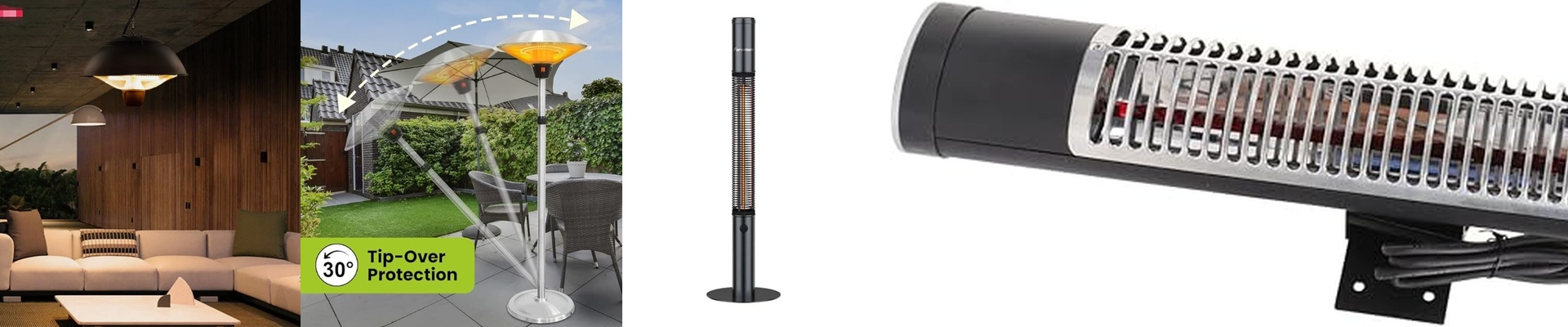
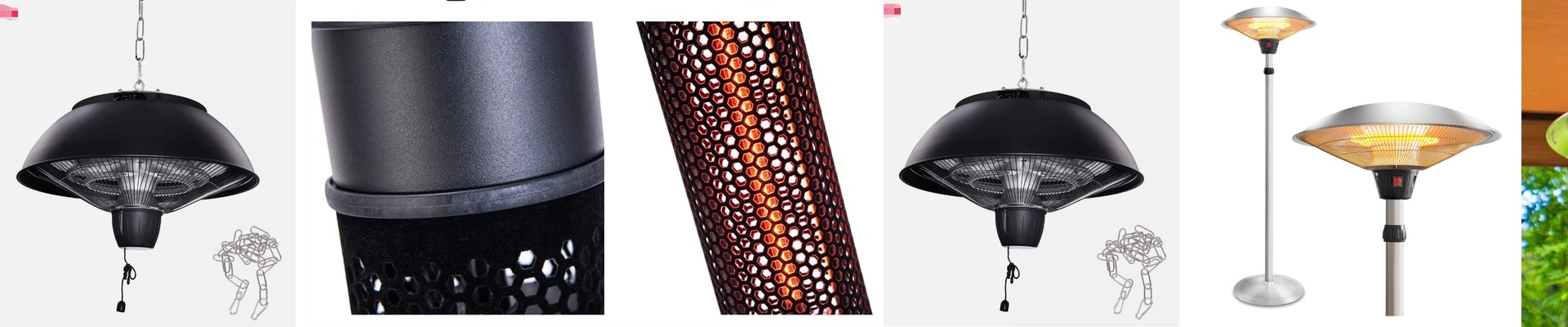
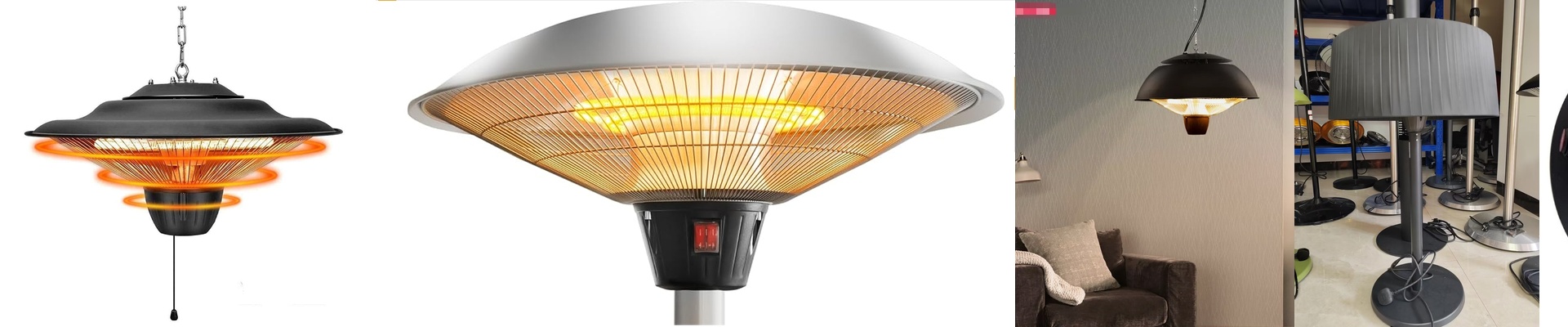
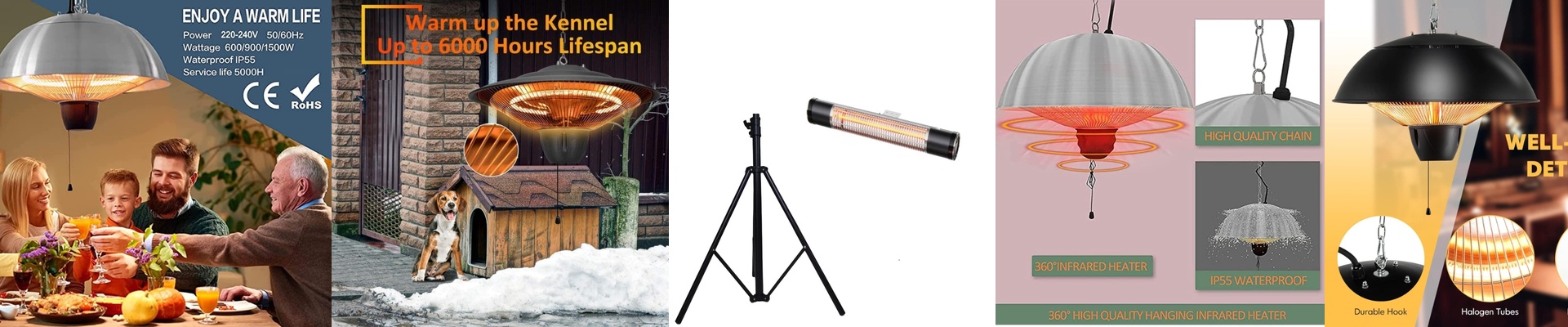
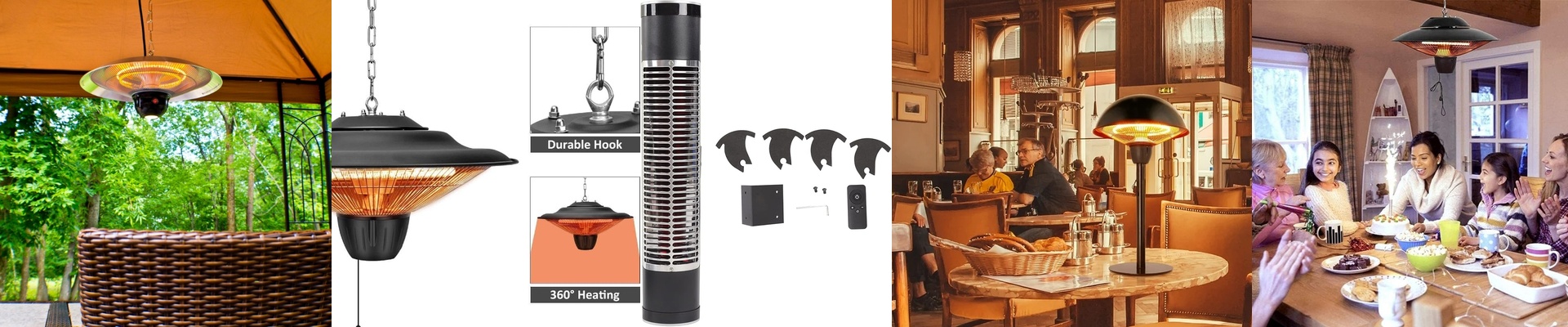
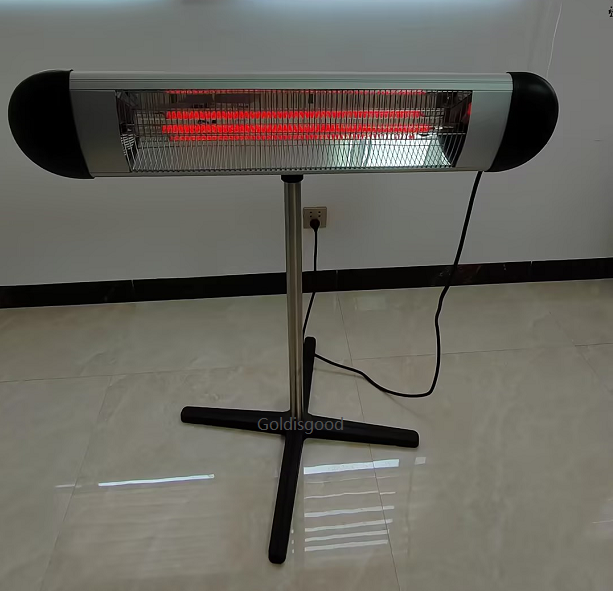
I’ve noticed a real shift in how people are kitting out their bathrooms lately. Those clunky, old-school heat lamps? They’re disappearing. In their place, we’re seeing a lot more IP65-rated infrared elements. It’s not just about looks. It’s about how these things actually survive in a room full of steam. The deal with IP65 Here’s the thing about bathrooms: they’re brutal on electronics. Between the steam and the occasional splash, standard lamps just can’t keep up. They short out or burn out way faster than they should. That “IP65” label basically means the housing is sealed tight. Dust can’t get in, and water can’t spray its way inside. By keeping the moisture away from the electrical terminals, you aren’t staring at a tripped breaker or a blown fuse every time you take a hot shower. It just works. Instant heat vs. waiting around Most heaters try to warm up the air. But air is a terrible conductor. You end up standing there shivering while the heater struggles to fight the cold room. Infrared is different. It sends out short-wave radiation that hits your skin and the surfaces around you directly. It feels like stepping into a patch of sunlight. It’s immediate. We use quartz tubes with special coatings to make sure that heat actually absorbs into your skin rather than just bouncing off. A few things to watch out for Now, it’s not all magic. These tubes pack a punch, which means they pull a lot of power. You’ve got to make sure your wiring and circuit breakers can actually handle that peak draw. And a heads-up: while the internals are waterproof, the outer glass getshot. Really hot. Give it plenty of breathing room so you don’t scorch your ceiling or accidentally burn yourself. Swapping them out The best part is that these are usually drop-in replacements. When a tube finally gives up the ghost, you just swap it for a new one. You don’t have to rip the whole fixture out of the wall. Just do me a favor: stick to the original voltage and wattage. It’s tempting to try and “boost” the heat by putting in a higher wattage tube, but in a small housing, that’s a great way to melt your internal wiring—no matter how waterproof the seal is.