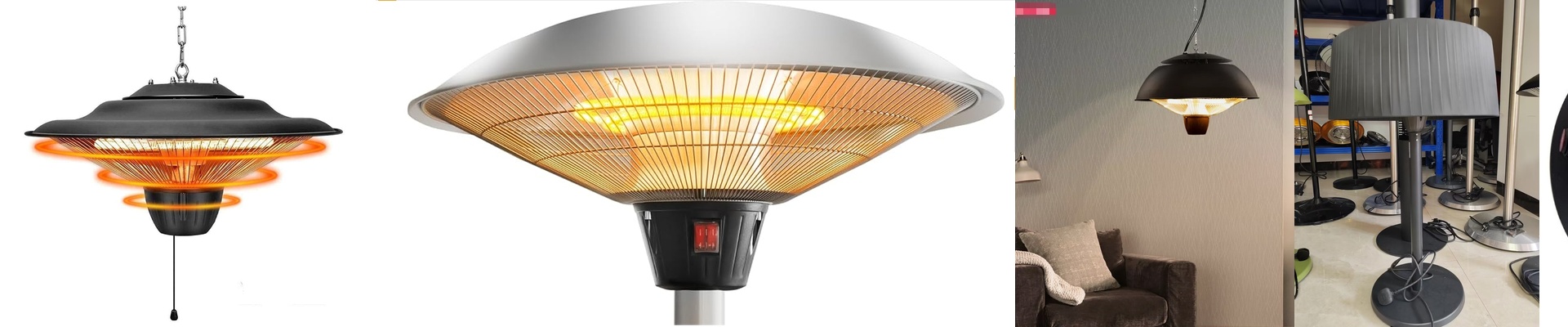
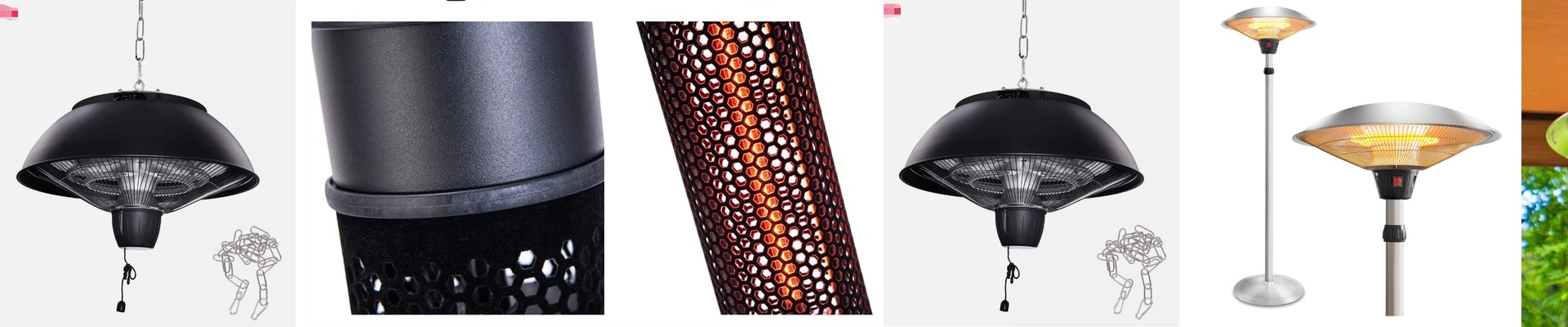
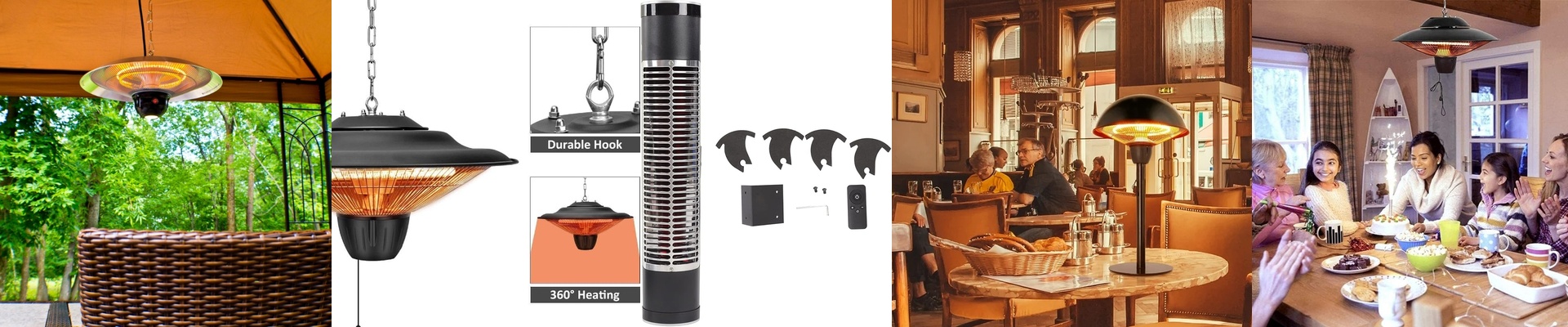

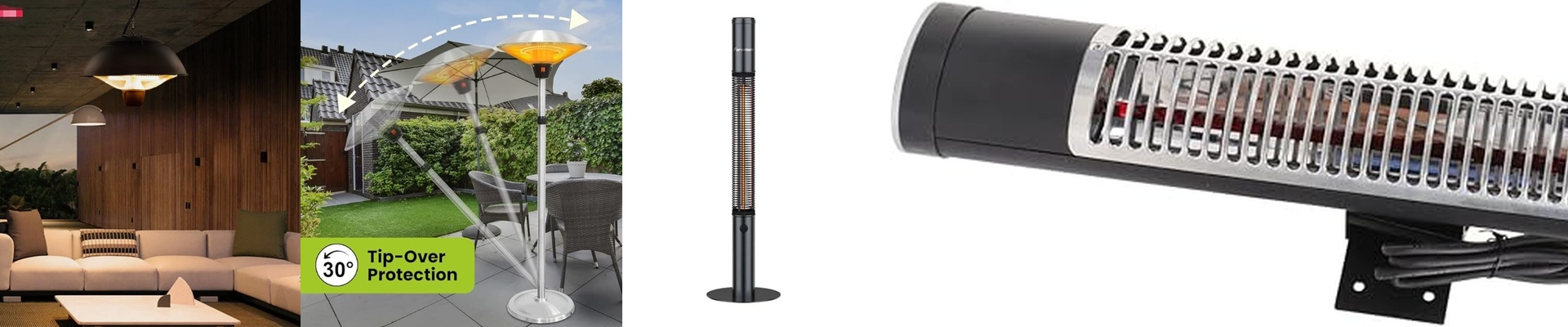
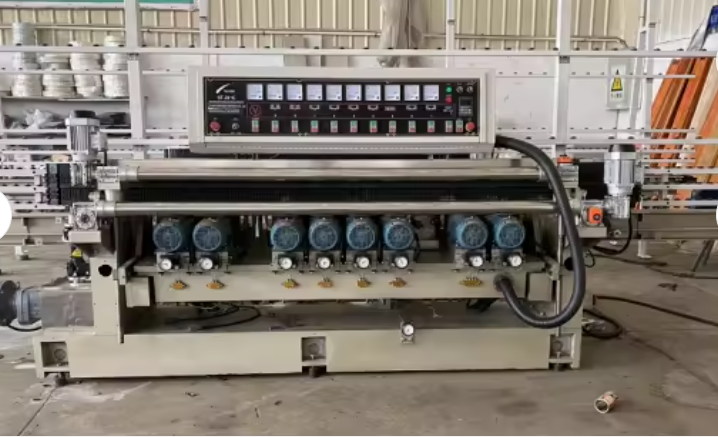
Trying to cut ultra-thick glass is basically a wrestling match with a material that refuses to budge. If you go in cold, your cutting wheel is the one that loses. You’ll chew through wheels in record time, and you’re almost guaranteed to end up with jagged, ugly edges. We found a better way. Instead of fighting the glass, we soften it. We use shortwave infrared (IR) lamps to warm up the glass right where the cut is happening. Here’s the trick: standard heaters just warm the surface. That doesn’t do much for a thick slab. But shortwave IR actually sinks deep into the glass rather than just bouncing off. It creates this little pocket of heat that makes the glass a bit more “giving.” Suddenly, the cutting wheel isn’t fighting a brick wall—it just glides. And your tools will thank you. When the glass is softened, the pressure on your diamond or tungsten carbide wheels drops off a cliff. You aren’t grinding against raw, cold hardness anymore. That means you aren’t replacing your cutting heads nearly as often. But you have to be smart about it. We use high power density because the heat needs to hit fast. You don’t want to bake the entire slab—that’s a great way to cause thermal stress and watch the whole thing crack. You need a tight, focused beam that follows the cutter exactly. Of course, there are some quirks to manage. Those high-wattage lamps put out a ton of heat. If your housing isn’t vented properly or your fans are too weak, you’ll fry your own electronics and wiring. Then there’s the distance. It’s a balancing act. Too close, and you’ll melt the surface or shock the glass. Too far, and the heat won’t reach the core. But once you nail that focal point? Your tool replacement cycle slows down a lot. It just makes the whole process feel easier.