
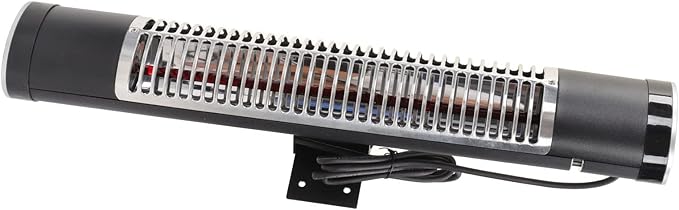
Why an Infrared Heater is Actually a Secret Weapon for Your Bathroom
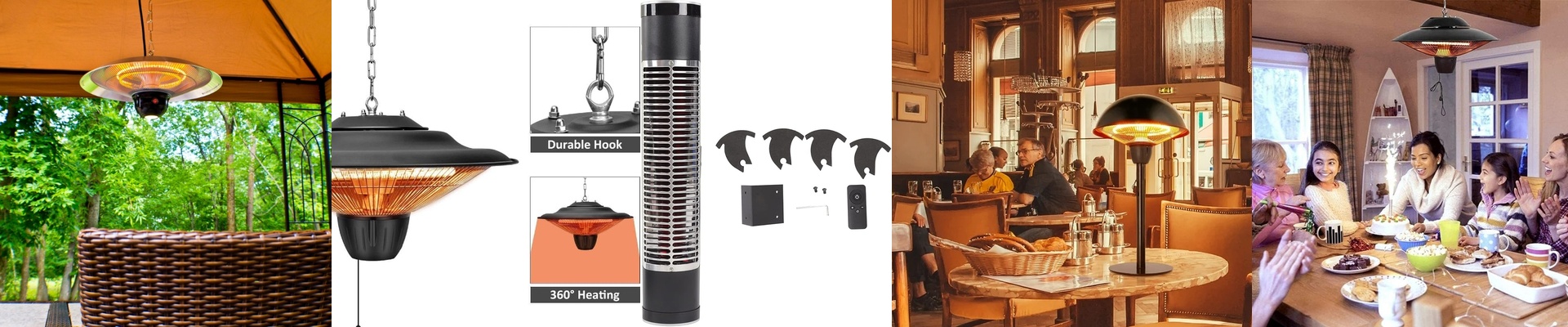
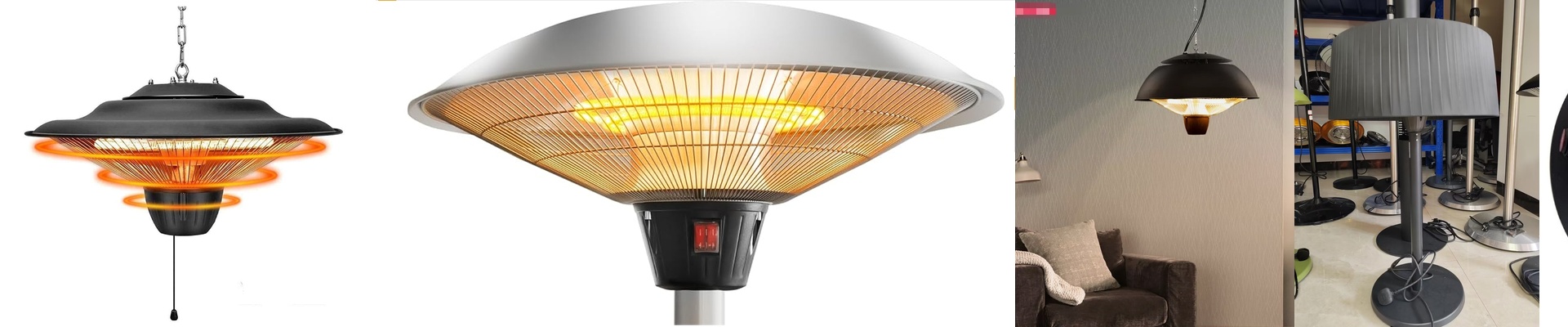
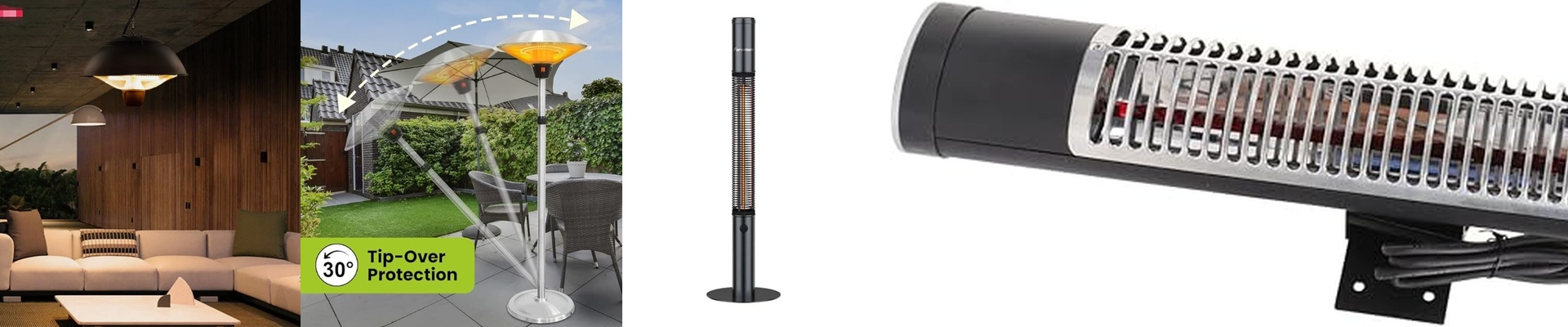
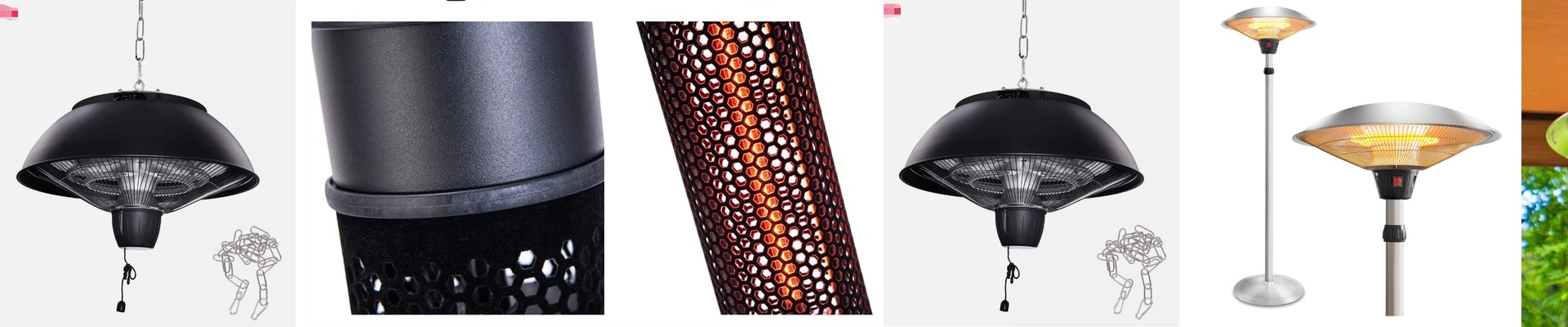
Most of us think of a bathroom heater as that thing you turn on so you don’t freeze the second you step out of the shower. But if you look closer, it’s actually a great way to handle moisture. When you put an IP65-rated infrared lamp in a wet room, you’re doing more than just warming up the air. You’re actually tackling mold before it even has a chance to settle in.
Stopping Mold in Its Tracks
Mold loves those cold, damp corners where the air just sits still. That’s where the magic happens with infrared. Unlike those standard heaters that just blow warm air around, infrared radiation goes straight for the surfaces. It sinks into your walls and ceiling, keeping them warm. Think about it: if the wall stays warm, water can’t condense on it. No condensation means no standing water, and no water means mold spores have nothing to eat. It’s a quiet, passive way to dry out the room without having to leave your exhaust fan screaming 24/7.
Built for the Splash Zone
We all know water and electricity are a nightmare pairing. That’s why these units are IP65 rated. In plain English? They’re dust-tight and can handle water jets without breaking a sweat. We use sealed connectors and quartz envelopes to make sure moisture doesn’t sneak inside and fry the filament. One tip: get the wattage right for your space. If you go too heavy in a tiny bathroom, the air dries out too fast and it feels weird. Too light, and your walls stay clammy. It’s all about that sweet spot.
The Reality Check
Infrared is fast. Like, instant. But there’s a catch: it only heats what it can “see.” If you’ve got deep alcoves or heavy curtains blocking the view, those spots will stay cold. You still need a bit of airflow to move the dampness away from the walls. An IR lamp is a powerhouse for keeping mold away, but it doesn’t mean you can rip out your exhaust vent. They work best as a team.