


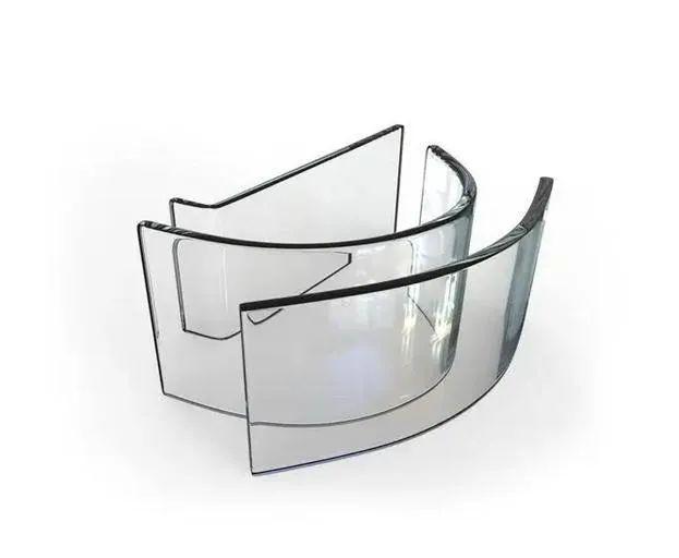
On the plant floor, heating isn’t a side step—it’s the main event. One uneven zone in bending, a lag in tempering preheat, and you’re staring at optical distortion, thermal stress cracks, or a lamination line that didn’t fully cure. The point of modern glass heating isn’t hype. It’s repeatable heat, placed exactly where the glass needs it, exactly when it needs it. We build the heating around short-wave infrared (SWIR) emitters in quartz envelopes, tuned for snap response and stable output. The system is sized to match your line: 240–480 V inputs, modular lengths, and mounting hardware that drops into existing ovens and autoclave frames. Control is closed-loop, using emissivity-aware sensors and PID tuning to keep setpoint inside tight bands. The payoff is a thermal profile you can stand behind—uniform across the glass, fast enough for high throughput, and consistent shift after shift. In hot bending, the emitter array lays down even heat, cutting hot spots and edge roll-off. You get a predictable bend radius without chasing scrap. For tempering, preheat stabilizes the initial soak so the quench can do its job—fewer roller distortion rejects, fewer edge fractures. In EVA/SGP/PVB lamination, cure is controlled and even, which drops voids and lowers the risk of delamination. For coating drying, the heat hits direct and fast, so you avoid over-bake while driving solvents out cleanly. Energy use comes down because heat only runs when it’s needed, and cycle time tightens because the ramp is quick and controlled. Here’s the reality check: this isn’t plug-and-play in every layout. Existing conveyors, shields, and airflow can throw shadows or reflections that mess with the profile, so we map the line and adjust emitter placement and shielding. Clearance to glass and fixtures matters—too close and you risk local overheat; too far and response drags. Plan for sensor alignment and keep optics clean. Run it with proper ventilation and thermal management, and expect a short commissioning window to lock in the recipe. Once set, the module runs with minimal maintenance and predictable output.