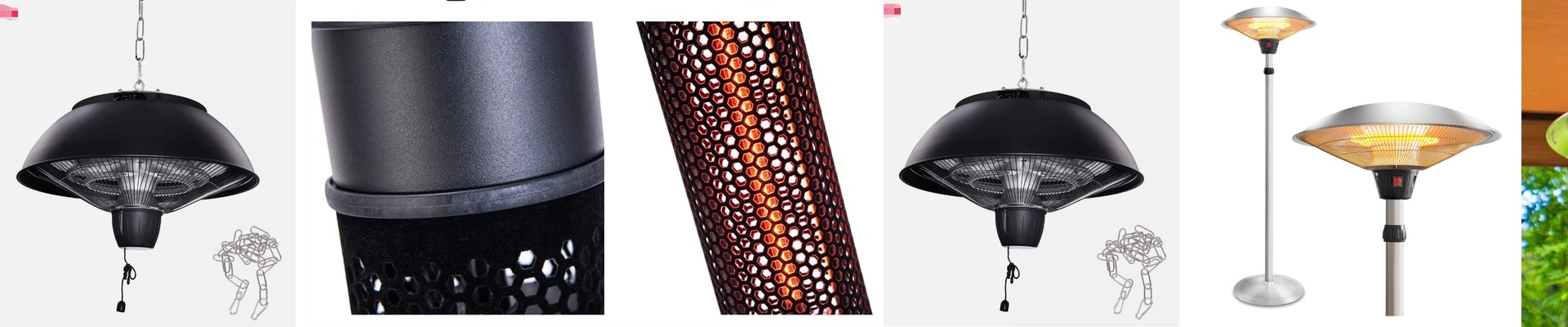
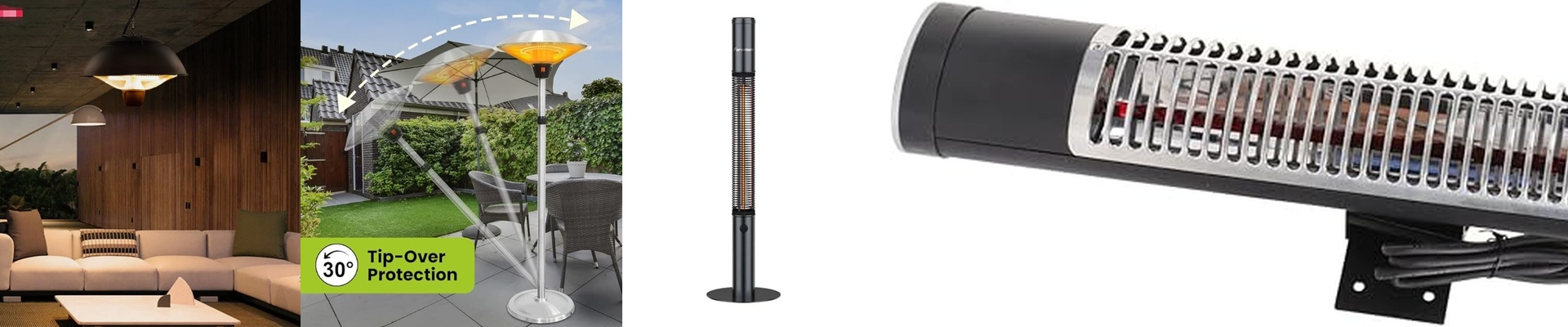
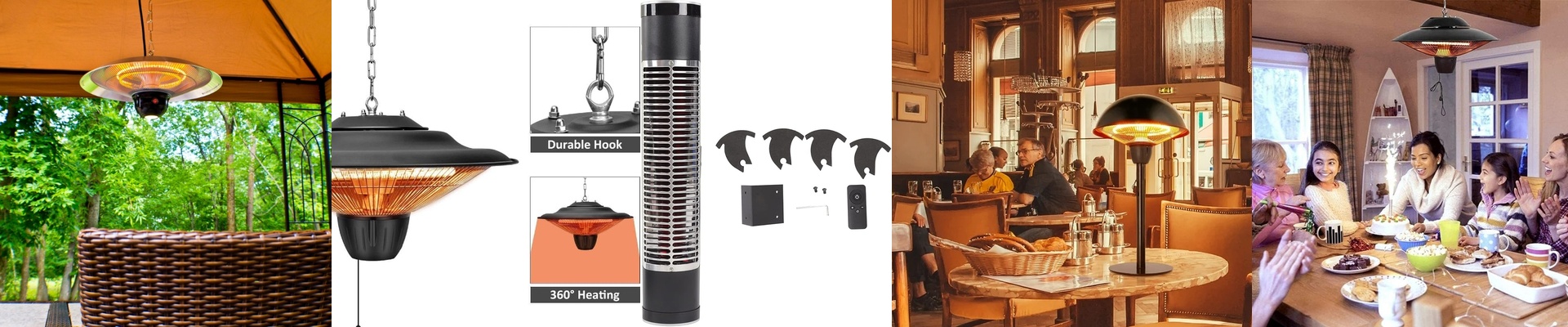

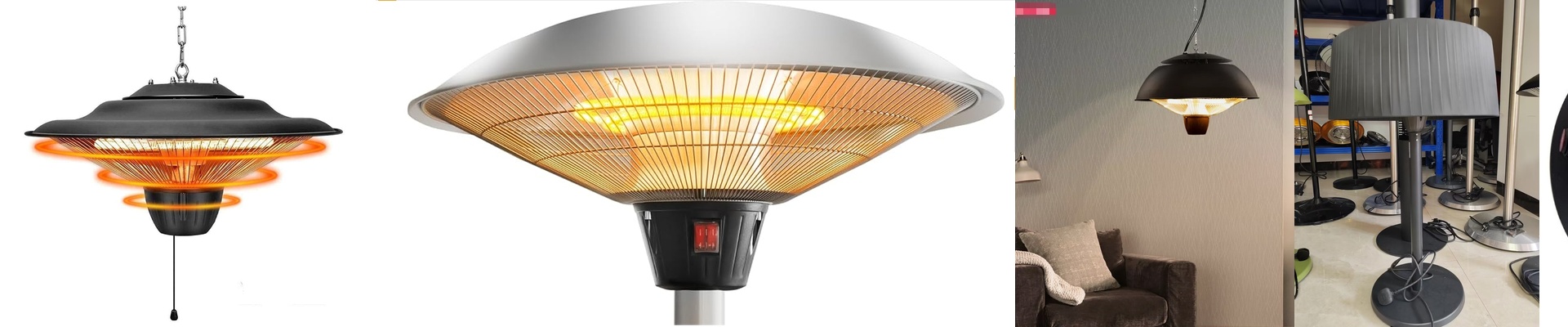
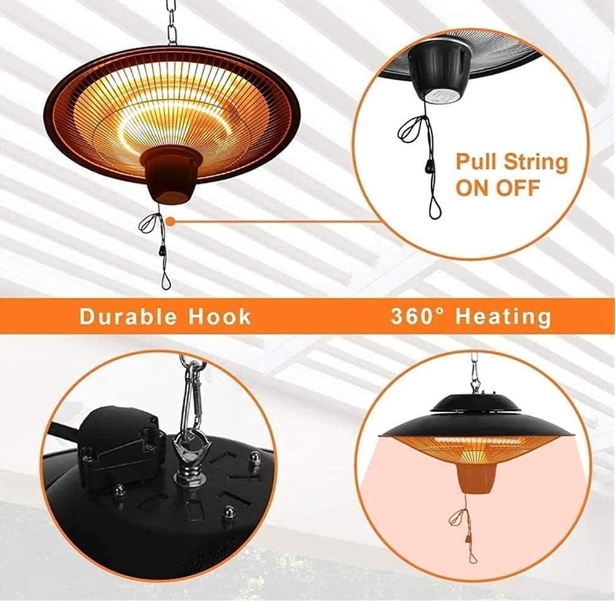
Keeping Infrared Heaters Safe in the Shower
Putting infrared lamps in a bathroom is a bit of a battle. You’ve got constant steam and direct water spray hitting high-voltage gear. To make sure everything stays safe, a simple plastic cover isn’t going to cut it. You need a setup that actually understands how moisture behaves. Dealing with the water We aim for an IP65 rating. In plain English? That means the unit is tight enough to keep out dust and handle a direct blast of water. We get there by using high-temp silicone gaskets and reinforced seals. Here’s the tricky part: the spot where the power cables enter the heater. That’s usually where things go wrong. If a seal leaks there, moisture creates a bridge between the live power and the metal frame. To stop that, we “pot” the cable entries—basically sealing them in a solid block of protective material so water has nowhere to go. The heat struggle Infrared lamps get incredibly hot. That heat makes seals expand and contract, which can open up tiny, invisible gaps for steam to sneak in. To fix this, we use materials that expand at the same rate. We also put ceramic insulators at the ends of the lamps. This keeps the electricity right where it belongs—in the filament—so it doesn’t jump or “arc” over to the metal frame. But you can’t just wrap everything in insulation. If you overdo it, you’ll trap too much heat and fry your internal components. It’s a balancing act. You need the electrical guts hermetically sealed, but the outer casing still needs a way to breathe. Getting it installed When you’re wiring this up, use grounded three-core cables. Make sure that ground wire is bonded directly to the heater’s chassis. Why? Because seals eventually wear out. It happens. After years of heating up and cooling down, a leak might happen. If it does, that ground wire trips the breaker instantly. It stops the metal frame from becoming live and keeps everyone safe. It’s the only way to sleep easy when you’ve got electricity and water in the same room.