Stop Wrestling With Your IR Lamps
Let’s be honest: buying single infrared lamps is a headache. You’re the one stuck doing all the heavy lifting. You have to crunch the numbers for the focal point, weld the brackets, and wire up every single socket by hand. It’s a lot of tedious work. We figured there was a better way. So, we do that work on our shop floor instead of yours. We give you curved heating modules that are ready to go the moment they arrive.
Why the curve actually matters
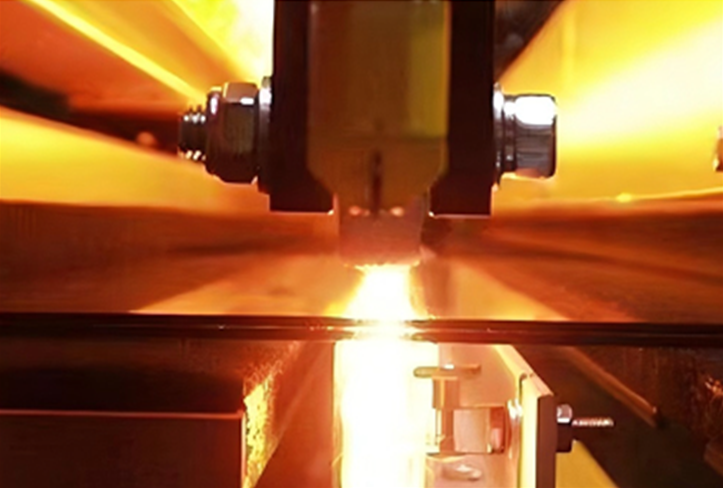
If you use a straight lamp, you get a hot spot. Period. If you’re blowing PET or forming glass, that’s a disaster—you end up with uneven walls and wasted material. Our fix? We bend the quartz glass so the heat actually wraps around your workpiece. This does two things. First, you can get the heat source closer to the material without worrying about burning it. Second, because the gap is smaller, you aren’t wasting nearly as much heat into the open air. It just works better.
More than just bent glass
We aren’t just curving a tube and calling it a day. We build the whole assembly. The lamps come mounted in a rigid frame with the wiring and connectors already tucked in. You aren’t getting a “kit of parts” that you have to assemble like furniture. You’re getting a drop-in replacement. One thing to keep in mind: power density is a beast. A high-wattage curved array puts a ton of thermal stress on the frame. That’s why we use materials that won’t warp when things get hot and cold over and over. Just make sure your cooling system can handle the extra ambient heat, or you’ll burn through your lamps way too fast.
Get your technicians back to real work
I’ve seen engineers spend days—literally days—nudging lamps an inch here and there to get rid of “cold spots.” It’s a guessing game and it’s a waste of time. With these modules, that part of the job disappears. You bolt the module into the machine, plug it into your controller, and start your thermal profile. No more tweaking. No more guesswork. You stop paying people to play “musical chairs” with your lamps and start focusing on your actual cycle time.