

Stop the Chipping: Why Preheating Your Glass Actually Works
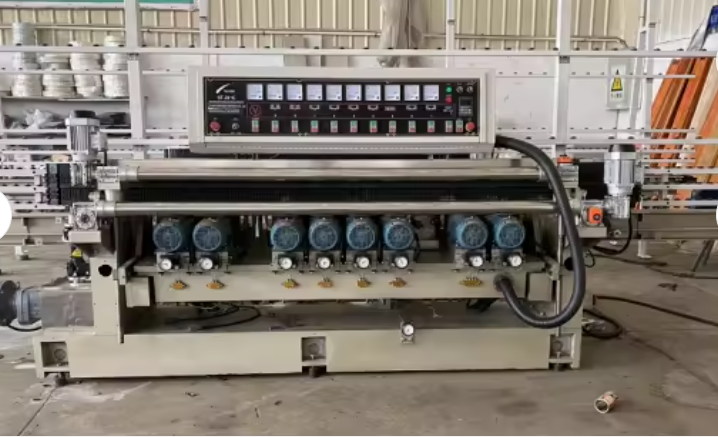
Glass is a pain to work with because it’s so brittle. If you try to cut a sheet at room temperature, the internal stress usually wins. You end up with those annoying jagged edges or “corner breakouts” right where the glass is supposed to snap. It’s frustrating, and it wastes a lot of material. The fix is simpler than you’d think: precision infrared (IR) lamps. By warming up the glass before it hits the blade, you’re basically telling the material to relax. It makes the glass much more forgiving when you apply mechanical stress.
How the heat does the heavy lifting
Here is the thing about IR lamps—they don’t rely on blowing hot air around. They use electromagnetic radiation to hit the glass surface instantly. When you get that cutting line up to the right temperature, the crack travels in a straight, predictable line. You get a clean snap. No shards, no jagged bits, and way less scrap in the bin.
Getting the setup right
To make this work, you need high power density. The glass has to be hot before it reaches the cutting head, or you’re just wasting electricity. We usually stick with short-wave IR because it sinks into the glass much faster than the long-wave stuff. But you can’t just slap these lamps in and hope for the best. You have to play with the height and the conveyor speed. If the lamps are too close, you’ll shock the glass and crack it. Too far? The glass stays cold and you’re back to square one. Most of us use quartz envelopes for the lamps because they can handle the heat without warping.
The stuff they don’t tell you in the manual
Here’s the catch: high-wattage IR arrays put out a massive amount of heat. If you don’t have a plan for that, it’s going to soak right into your machine frame. You need serious cooling fans and ventilation. If you don’t, you’ll end up frying your control electronics, and that’s a headache nobody wants. And one last tip:**keep your quartz tubes clean.**A few fingerprints or a layer of dust might seem like nothing, but they create hot spots. Those hot spots are what cause the tubes to pop in the middle of a shift. A quick, regular wipe-down keeps everything running smooth.