

Why Most Bathroom Heaters Die (And How We Fixed Ours)
Let’s be honest: bathrooms are a nightmare for electronics. Between the thick steam from a hot shower, the occasional splash of water, and the way the temperature swings from freezing to sauna in five minutes, it’s a brutal place for a heating element to live. Most infrared heaters just can’t hack it. Moisture seeps into the housing, shorts out the wiring, or eats away at the heating filament until the whole thing just… stops working.
Dealing with the Steam
We looked at the problem differently. Instead of just putting a piece of glass in front of the heater, we focused on how to keep the “guts” of the machine dry. It’s all about managing where the moisture goes. We used a sealed chassis and a specific airflow design so condensation doesn’t settle on the quartz tube. Why does that matter? Because when a tiny drop of cold water hits a scorching hot lamp, the glass can crack from the shock. By keeping the steam away from the core, we take that risk off the table.
Stopping the Leaks
Water is the number one killer here. To fight that, we leaned heavily on reinforced seals and gaskets. We wanted to make sure that if water hits the face of the unit, it stays on the outside. Plus, we used materials for the internal connections that don’t rot or rust, even when the humidity hits 90%. It’s the kind of stuff you don’t notice until it saves your heater from a premature trip to the landfill.
The Balancing Act
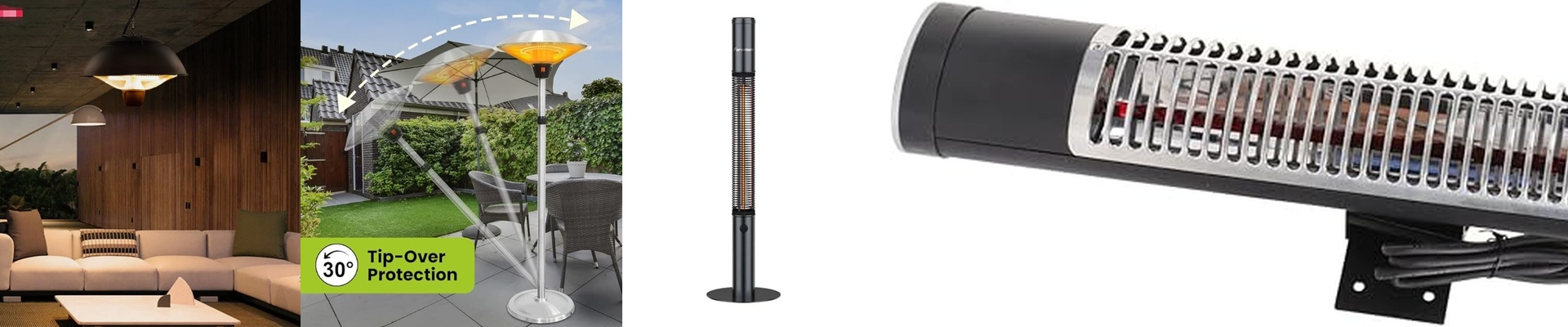
Here’s the tricky part: if you seal a heater too tightly, it can’t breathe. It starts to bake its own electronics, which is just as bad as getting them wet. To fix this, we added vented heat sinks. They let the PCB stay cool while still blocking the water. Just a heads-up: when you’re installing it on your wall, leave a little bit of breathing room. If you cram it too tight against the wall, the thermal safety switch might kick in and shut everything down. At the end of the day, we just focused on the physics. Better seals mean you aren’t calling us for a repair in six months, and your bathroom stays warm for years.