
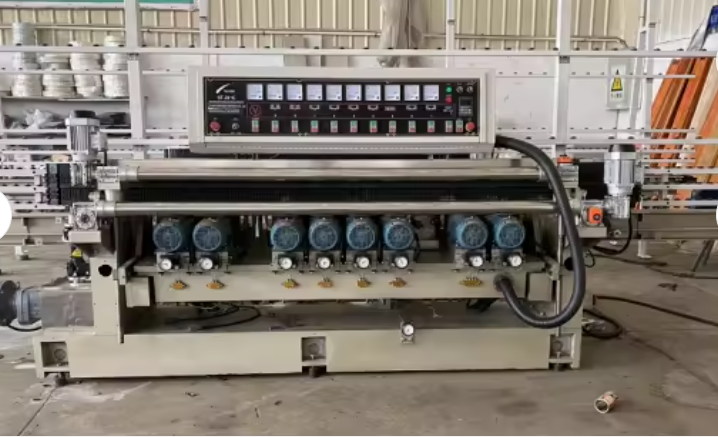
Stop the Chips: Why a Little Heat Goes a Long Way in Glass Cutting
Cutting glass is basically a fight against tension. When a cold blade hits a cold sheet, it’s a shock to the system. That’s usually when you see those annoying chips or corner breakouts that ruin a perfectly good piece. The trick to fixing this? Infrared (IR) preheating. We just warm up the surface before the blade even touches it. The logic is pretty simple. Glass doesn’t move heat around very well. If you cut it cold, all that stress bunches up right on the score line. By hitting it with some targeted IR radiation, you make the surface a bit more “relaxed.” It becomes more forgiving. But you can’t just blast it with heat. There’s a sweet spot. Too cold, and you’re still picking chips out of the glass. Too hot, and you’re risking thermal shock or warping the whole sheet. It’s a balancing act. Then there’s the reflector. If you just use a bare IR lamp, it throws heat in every direction. Half of that energy ends up heating up your machine frame, which is a total waste. That’s why we use gold-coated or polished aluminum reflectors. They bounce that heat right back onto the glass. It narrows the beam and packs more punch exactly where you need it—on the cutting path. It makes the ramp-up time faster and the temperature way more consistent. If your reflectors get pitted or oxidized, you’ll start seeing “cold spots.” And guess what? That’s exactly where the chipping comes back. Of course, there are trade-offs. High-intensity preheating works, but it turns your shop floor into an oven if you aren’t careful. You have to play with the lamp wattage and your conveyor speed until they click. If you crank the power to stop chips on a slow line, you might actually overheat the glass. Plus, you’ll need a cooling system and ventilation that can actually handle the heat, otherwise, you’re just going to fry your electronics.