Stop Wasting Power on Your Glass Annealing
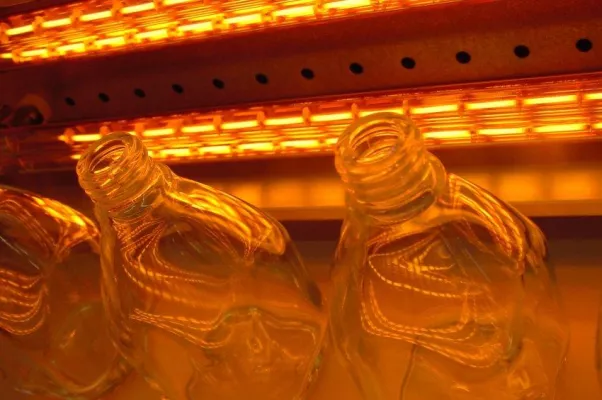
Let’s be honest: glass annealing is an absolute power hog. Most plants are basically throwing money away because their heating elements are just warming up the air around the glass instead of actually heating the glass itself. That’s where short wave infrared (SWIR) tubes come in. Instead of waiting for the air to get hot, SWIR goes straight through the surface. It’s fast. Really fast. And that changes everything for your energy bill. How it actually works Think of it as a shortcut. Because short wave radiation operates at a higher frequency, it ignores the air gap and hits the workpiece directly. When you’re looking at these tubes, you want high power density in a small space. By packing that thermal energy in, you don’t have to sit around waiting for the system to ramp up to temperature. You hit your target faster, which means you’re using fewer kilowatt-hours every single cycle. The gear We make these tubes out of high-purity quartz. Why? Because rapid cycling is brutal, and you need something that won’t crack under the pressure of thermal shock. We also use a halogen cycle inside so the filament doesn’t just burn out and leave you stranded. The best part is that they usually just slide right into your existing racks. As long as your voltage and wattage match up, it’s a pretty simple swap. The catch (because there’s always one) Here’s the thing: these tubes put out a massive amount of heat. While that’s great for your throughput, it can be a nightmare for your cooling system if you aren’t prepared. If your ventilation is weak, the heat builds up around the lamp housing. Before you know it, you’re triggering thermal trips or—even worse—melting your wiring insulation. You’ve got to make sure your cabinet’s airflow can keep up with the wattage of the tubes. But if you get the wavelength to match your glass thickness? That’s where the magic happens. When the glass absorbs the energy instead of bouncing it back, your electricity bill actually starts to drop. It’s just simple math: less wasted heat means more money in your pocket.