
Why Your Bathroom Walls Are Damp (And How We Actually Fix It)
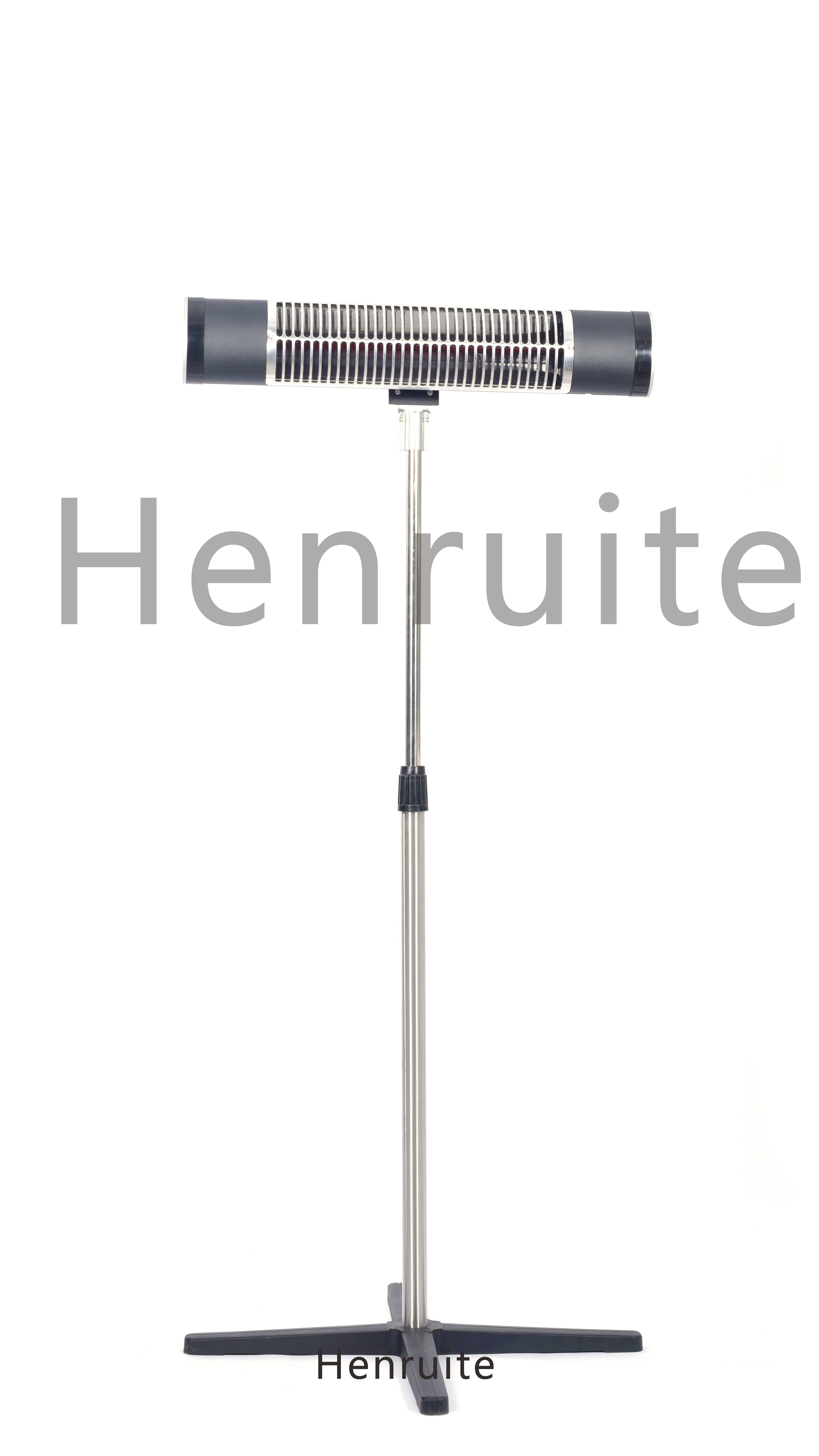
Most bathroom heaters are kind of a joke. They just warm up the air, which sounds fine until you realize that cold walls are still cold. That’s where the condensation happens, and once you have damp walls, you’ve basically invited mold to move in and stay. We do things differently with our recessed infrared ceiling heaters. Instead of fighting with the air, these units go straight for the surfaces. They use short-wave infrared radiation—basically, electromagnetic waves—that cut right through moisture to heat the actual structure of your bathroom. Here’s the trick: when your walls and ceiling stay warm, water can’t settle. No standing water, no mold. Simple as that. Plus, we’ve tuned these lamps to hit specific wavelengths that water molecules just love to absorb. It’s like a targeted strike on dampness. It doesn’t just make you feel warm while you’re stepping out of the shower; it actually dries the room out. It’s a passive way to dehumidify without needing a loud, clunky machine humming in the corner. But look, there’s a catch. High-wattage lamps are great for instant heat and fast drying, but they can be intense. If you cram too much power into a tiny bathroom without a vent, it’ll feel like a sauna in about two minutes. You’ve got to match the wattage to the size of your room, or you’ll just end up overheating the whole space. As for the setup, we keep everything flush with the ceiling. It looks cleaner, and more importantly, it keeps the quartz glass safe from splashes and accidental bumps. We also use high-temp gaskets so the housing doesn’t warp after a few hundred uses. One last tip: make sure you wire this to a dedicated circuit. These things pull a bit of a surge when they first kick on, and you don’t want to be tripping your breakers every time you want a warm bathroom.