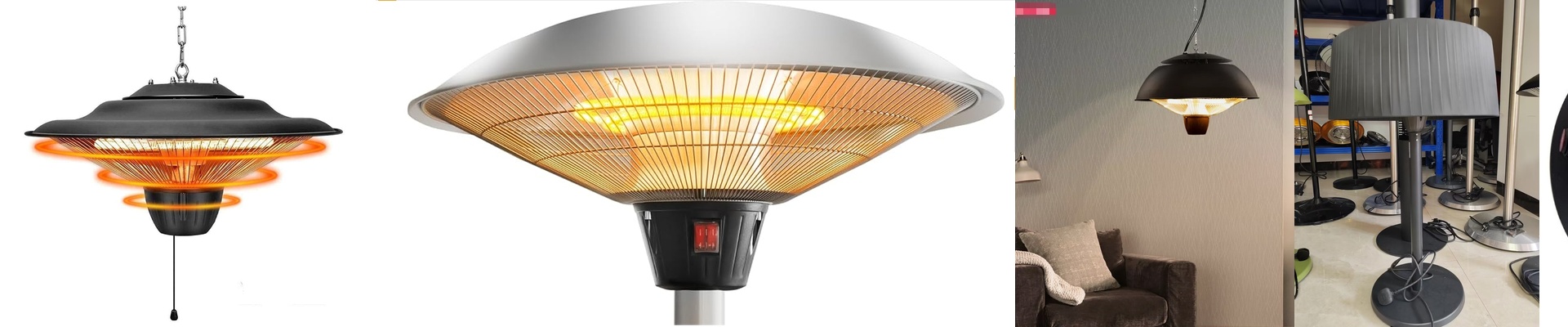
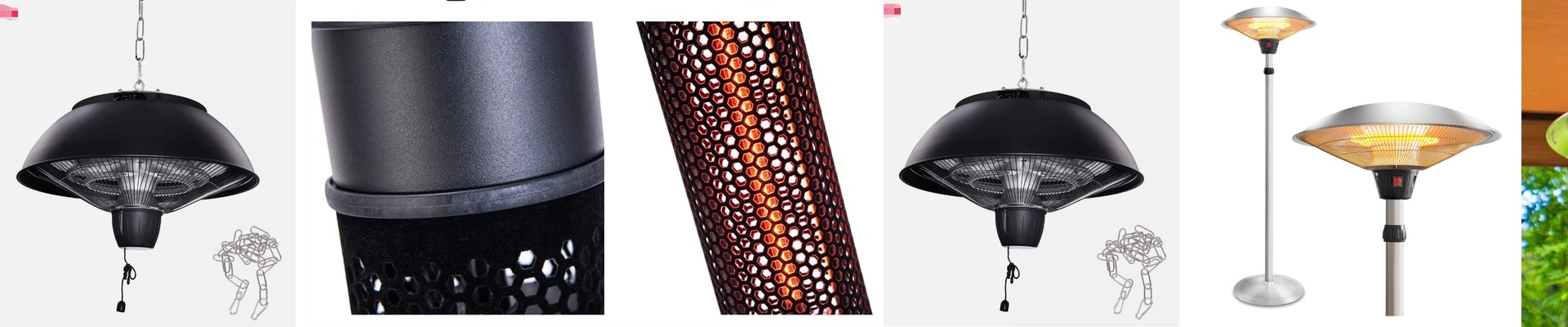


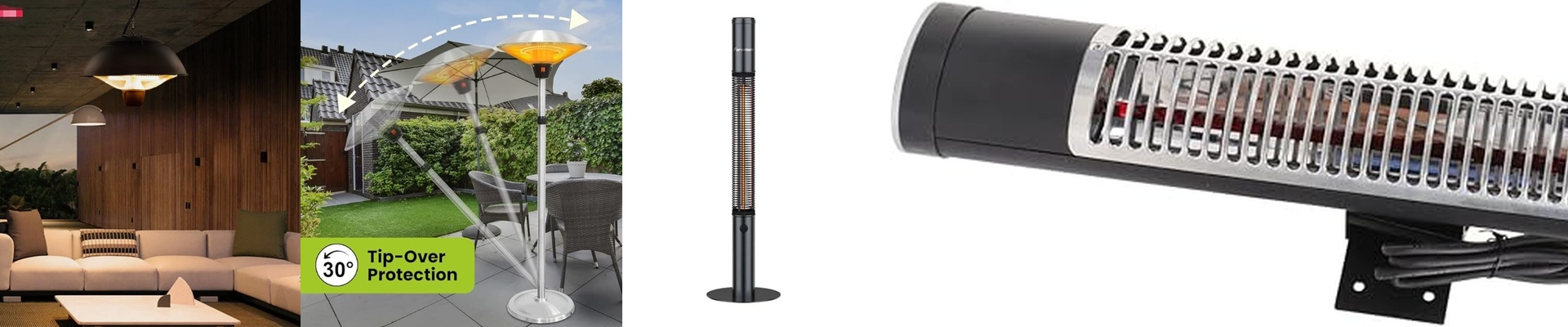
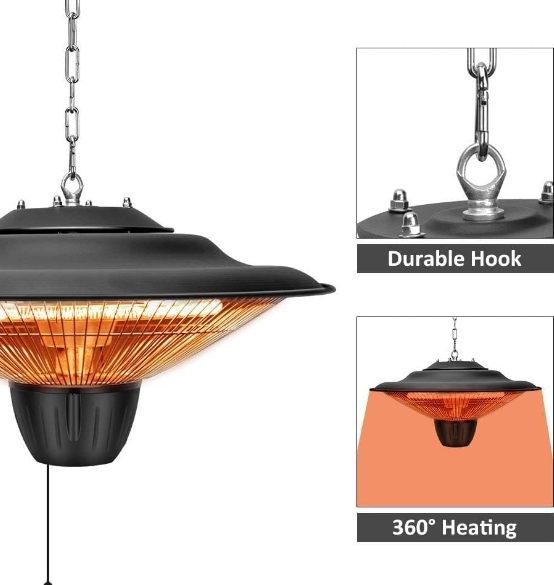
Winter has a way of making stillness feel like a slow freeze—hands stiffen, feet go numb, and comfort just drains away. Surface warmth can’t fix that. Infrared radiant heat gets down to where it matters, giving you that natural, immediate feeling of heat. What’s actually going on, technically Infrared heaters radiate energy straight to people and objects, just like the sun warming your skin—without heating the air first. In our units, a carbon fiber element or quartz tube delivers medium-to-long-wave infrared warmth, spreading evenly across a wide beam angle. Most models run on standard voltage (220–240V), with power options that fit living rooms, covered patios, and workshops. A built-in thermostat keeps the temperature steady, while tip-over protection and an IP rating bring practical safety to homes and outdoor seating. Why this approach makes sense here Cold hands and feet are often about circulation slowing down. Radiant infrared warms the skin gently, encourages blood flow, and helps muscles relax—supporting microcirculation that can get hands and feet feeling warmer, faster. Because the warmth is directional, you feel it right where you need it, without waiting for the whole room to come up. For evening reading, family dinners, or quiet moments outside, that means less shivering and more time actually enjoying the season. What you need to keep in mind Infrared warmth works best when you’re within the recommended distance and inside the beam coverage. For the best results, place the heater at a safe distance and angle it toward the seating area. And while infrared heats quickly by warming objects and people directly, drafty, fully open outdoor spaces may still need supplemental heating. Always follow the spacing and clearance instructions for steady, safe comfort.