

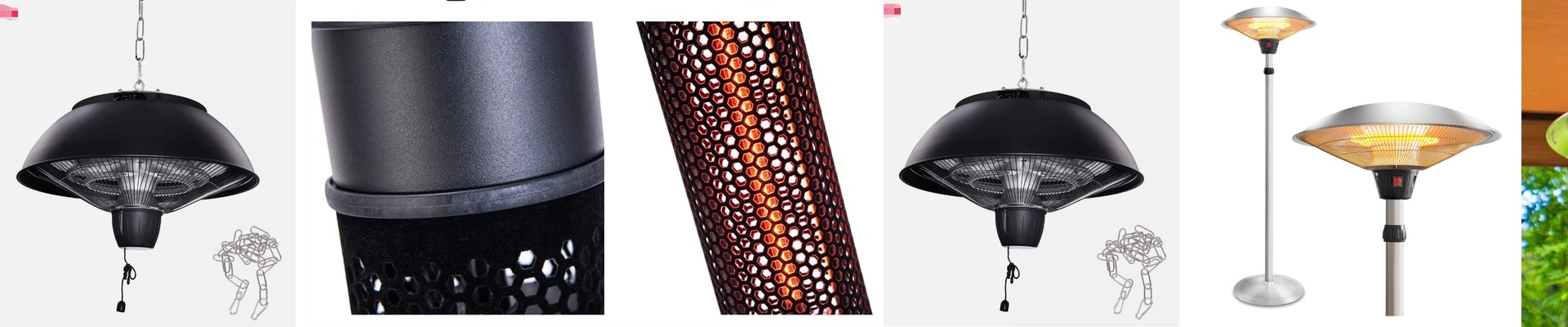
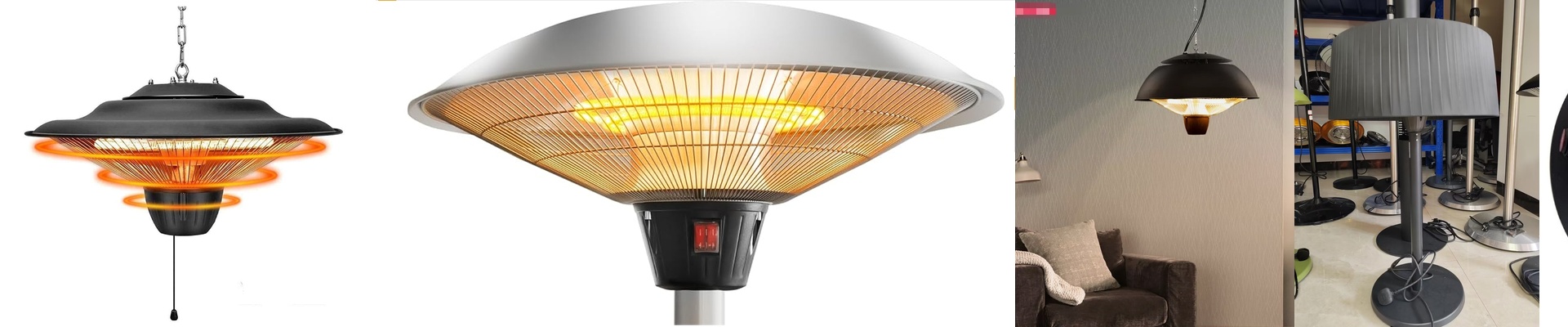
Basements are tough. They sit cool, hold moisture, and make comfort feel like a reach. Standard forced-air systems fight low ceilings by pushing warm air into the coldest corners, and they never touch that clammy, lingering damp. When the air stays wet, you feel it—on the walls, on the floor, right in your bones.
What matters, technically
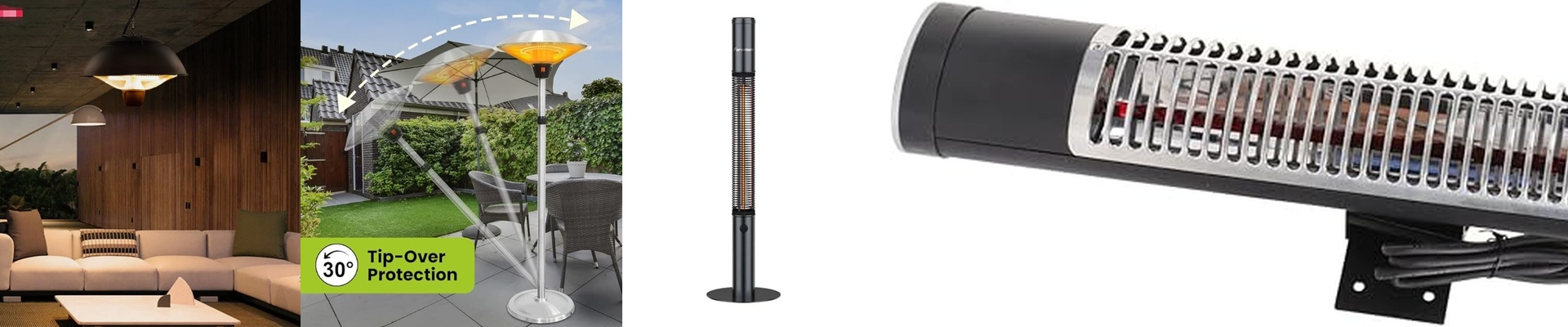
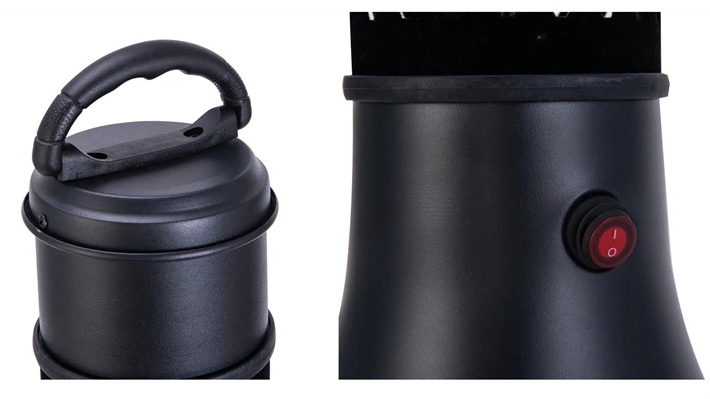
We built the smallest electric heater in this class around a short-wave infrared quartz tube, and kept it low-wattage with a wall-mounted profile. It delivers targeted radiant warmth—heat you feel the instant it’s on—without trying to warm the whole volume of air. The payoff is a 200–400W unit that fits where bigger heaters can’t, runs quietly, and draws far less current than typical space heaters. The element comes up fast, and the built-in thermostat keeps output steady.
Why it works in a basement
In a basement, radiant heat is the smarter play. It warms people, floors, and nearby surfaces directly, so comfort lands where you actually stand and sit. Because it’s wall-mounted, it stays out of the way and helps air move without creating that sticky, stagnant feel. The low power draw means you can run it more often without watching the meter climb, and the focused warmth keeps the space usable—whether you’re working, unwinding, or finishing a project.
The practical details
Installation is straightforward: mount it on a dry section of wall, plug it into a grounded outlet, and set the thermostat to what feels right. Keep the heater clear of obstructions and away from direct water contact. One thing to plan for: infrared warmth is most effective when the heater has a clear line of sight to the area you want to warm, so placement matters more than it does with convection heaters. If you’re after even, all-over air warmth, this isn’t the primary solution—but for quick, dry comfort in a damp basement, it’s exactly the right fit.