
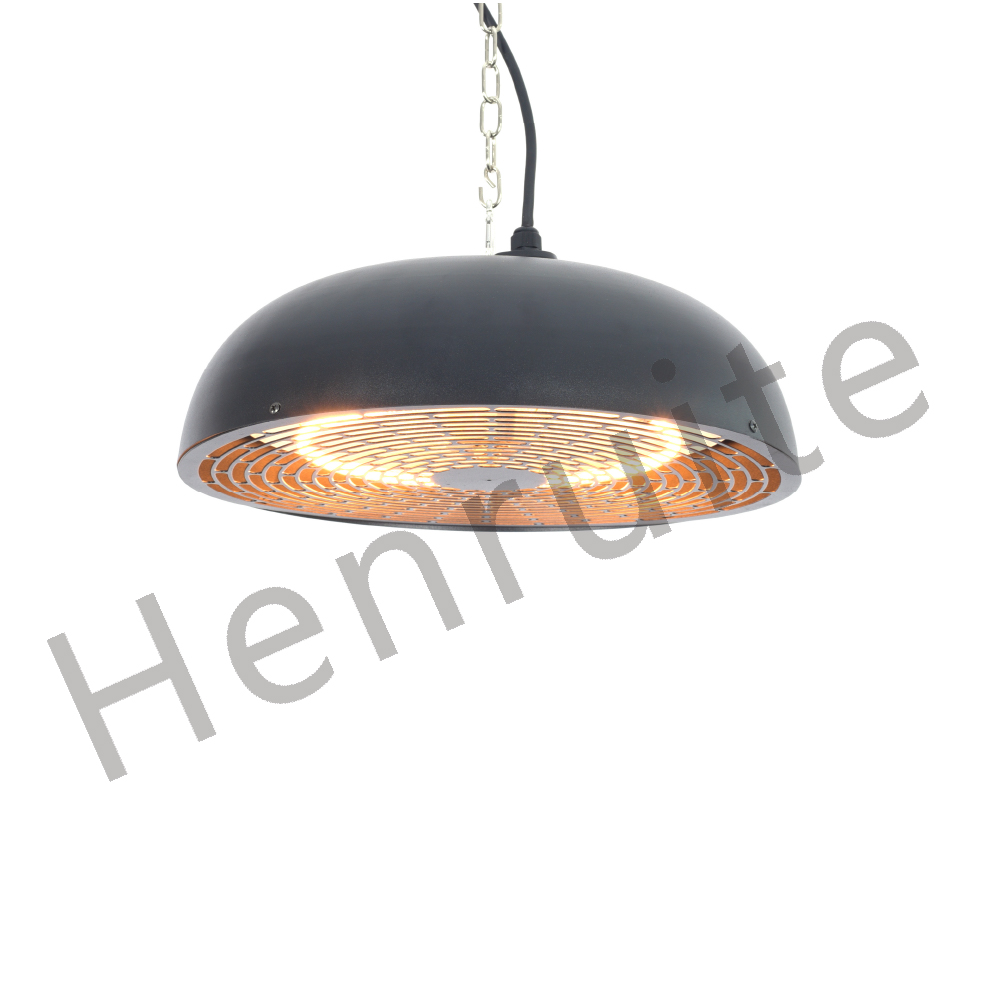
Making Your Space Toasty: Smart Infrared Heaters That Actually Work
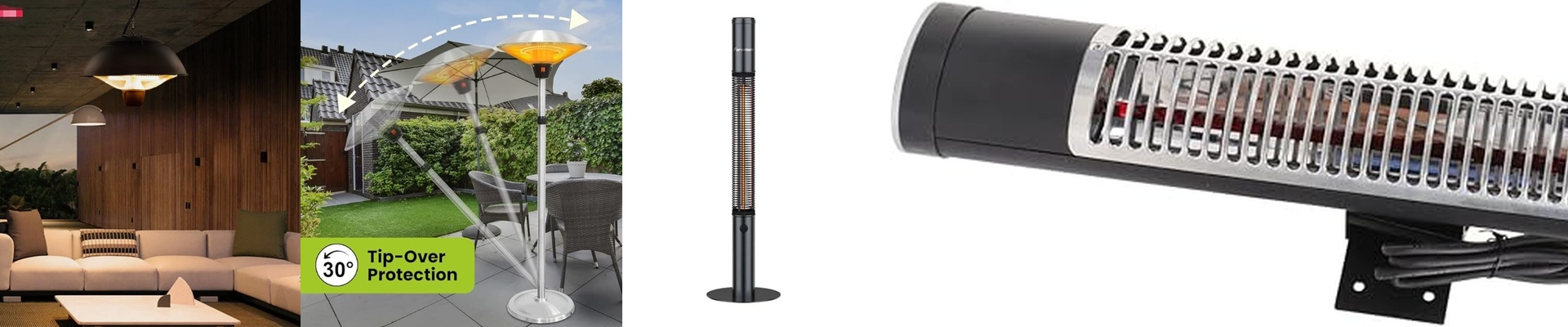
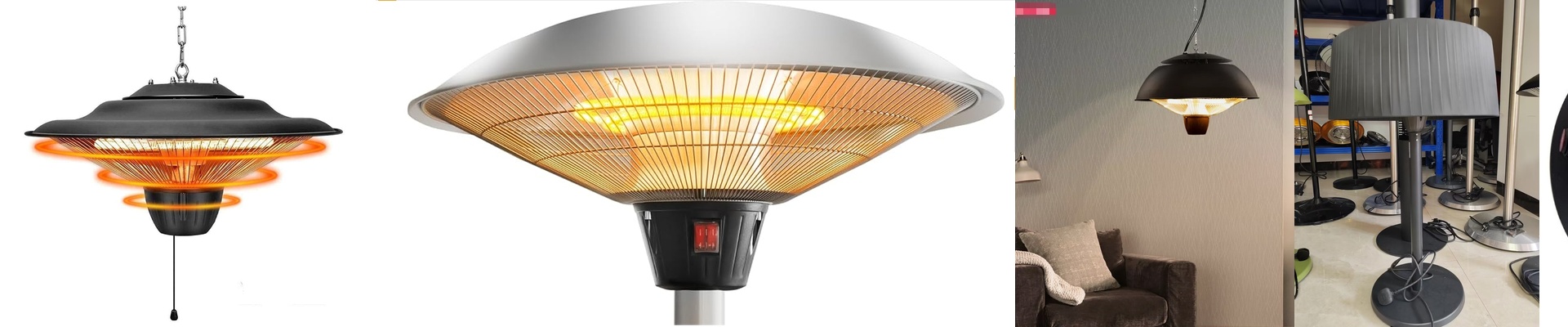
We build our IPX4 infrared heaters for the places where things usually get a bit messy—think steamy bathrooms or a patio that might catch a bit of rain. Most heaters just try to warm up all the air in the room, which takes forever. These are different. They use shortwave radiation to heat you and your furniture directly. It’s like stepping into a patch of sunlight on a cold day. You feel the warmth the second you turn it on. No waiting around.
The Nitty-Gritty Hardware
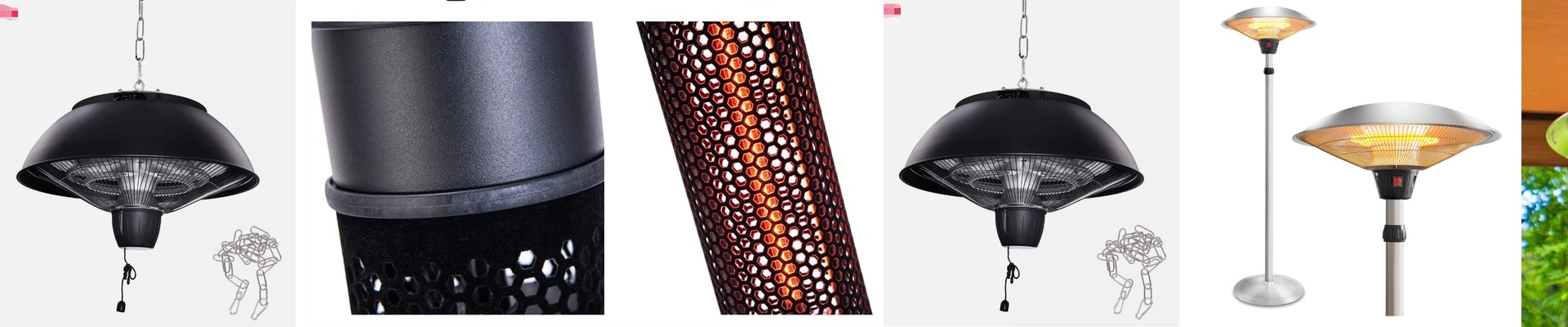
To make these play nice with a smart home hub, we put a heavy-duty relay or a TRIAC dimmer right into the power circuit. We wrap everything in an IPX4 enclosure so moisture doesn’t sneak in and fry the electronics. Inside, there are quartz glass tubes filled with halogen. It’s a specific setup that lets the lamp hit top temperature in a heartbeat. One big heads-up: watch your power supply. These lamps pull a lot of juice. If you’re hooking this up to a smart switch, make sure the relay can handle an inductive load. If you don’t, the contacts can literally weld together over time. Not ideal.
Getting it “Smart”
The magic happens with the API bridge. Whether you use Zigbee or Matter, the heater talks directly to your home automation. When you hit “Winter Mode” on your app, you aren’t dealing with a slow, clunky thermostat that has to “think” about the room temperature. The system just sends a signal, the power module kicks in, and boom—instant heat.
A Few Things to Keep in Mind
Here’s the catch: fast heat means big power spikes. You can’t just plug a bunch of these into one 15A circuit or you’ll be tripping your breaker all day. We always suggest running a dedicated line for each zone. Also, remember that IPX4 protects against splashes, but it’s not a submarine. If you’re putting these in a room with a ton of steam, make sure you’ve got a good vent running. Otherwise, you’ll get condensation building up on the housing, and nobody wants that.