
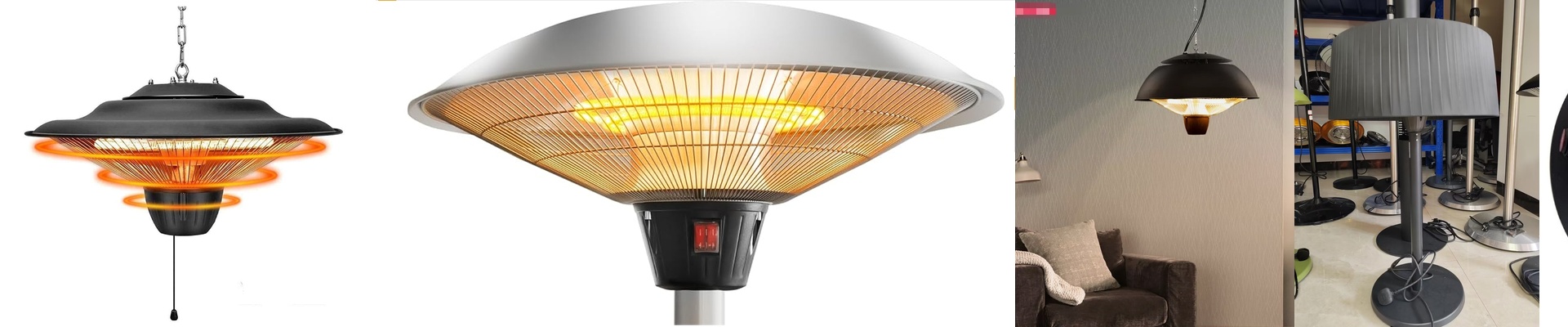



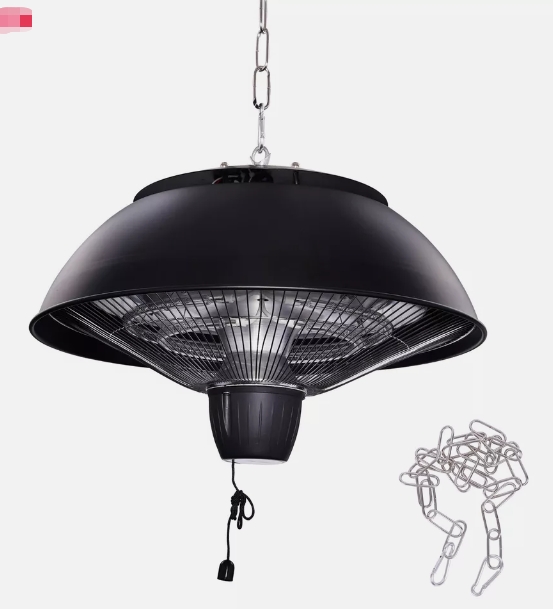
Putting a 1500W infrared heater in a gazebo or a bathroom is a bit of a gamble if you aren’t careful. You’ve got constant steam and moisture floating around, and since water loves to conduct electricity, one tiny slip in insulation can lead to a short circuit or a nasty ground fault. We build our units specifically so you don’t have to worry about that. The guts of the machine To make sure the electricity stays exactly where it belongs, we skipped the cheap plastics. Instead, we use high-grade ceramic insulators and reinforced glass to keep the heating element completely separate from the chassis. Here’s the thing: 1500W puts out a lot of heat. That kind of heat eats through low-end insulation over time. We use materials that can handle the peak temperatures without breaking down or getting brittle. Keeping the water out A basic heater just isn’t built for a wet room. It’ll fail. To stop steam from creeping into the wiring, we use IP-rated enclosures, silicone gaskets, and sealed cable entries. But the housing is only half the battle. The real danger zone is where the power lead actually meets the lamp. That’s usually where things go wrong. We fix that by using heat-shrink tubing and moisture-resistant potting compounds to basically lock the humidity out for good. Staying safe We also wire everything with a dedicated grounding path. If a seal ever leaks or a part burns out, the current trips your breaker instantly. It’s much better for the power to just cut off than for the outer shell of the heater to become live. Now, there is a trade-off. Better insulation usually means a bulkier look. You’re trading a “slim” design for a heavier, sealed chassis that actually lasts. And a quick heads-up: please make sure your circuit is GFCI protected. No matter how well we build the lamp, if you’re standing on a wet floor, a GFCI is non-negotiable. Also, give the area some decent ventilation. It stops condensation from pooling inside the fixture while it cools down.