Getting Your IR Lamps to Actually Talk to Your Glass
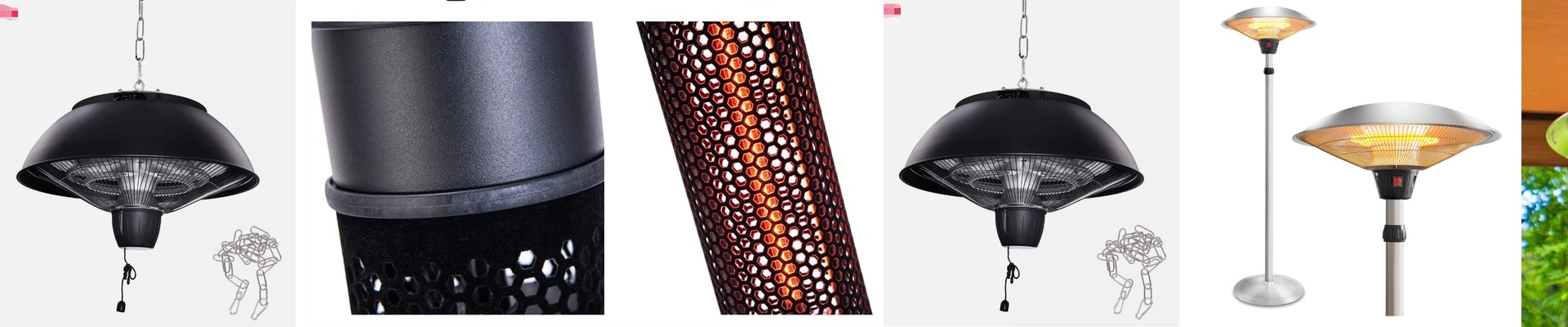
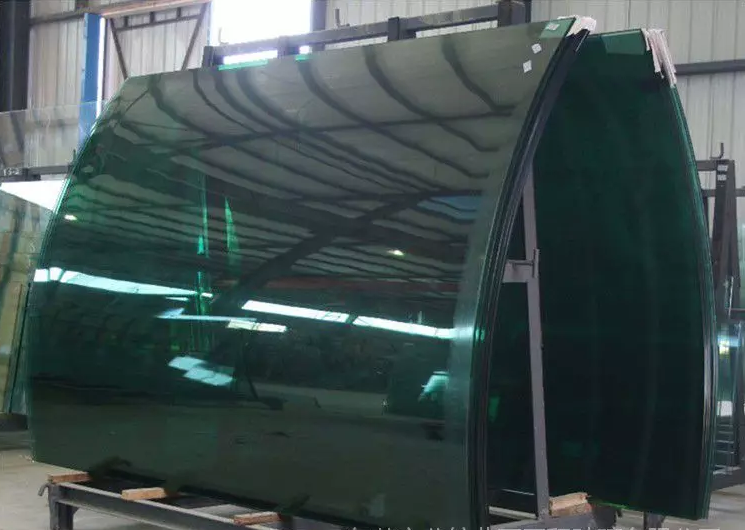
Most standard infrared lamps are basically wasting energy. Why? Because their emission curve and the material they’re heating just aren’t on the same page. If you’re making Spectacle glass, you’re dealing with all sorts of oxides and coloring agents. These additives change how the glass takes in heat. When the lamp’s wavelength misses the glass’s absorption peak, you end up with a classic problem: the surface is scorching, but the core is still cold. It’s all about the match. We don’t just crank up the power—that’s a rookie mistake. Instead, we tweak the filament material and the coating on the quartz envelope to shift the emission curve. Think of it like tuning a radio. We want the photons to land exactly where the glass is most receptive. When that happens, the heat actually sinks deep into the lens. No more internal stress. No more waking up to find a batch of fractured lenses during the cooling phase. But, there’s a catch. To get those shorter wavelengths, we have to run the filament hotter. That creates a lot of heat density. If your housing or cooling fans aren’t up to the task, you’re going to fry your wiring and connectors way sooner than you’d like. It’s a trade-off you have to plan for. The payoff is worth it, though. You can stop spending forever in the annealing oven. You get a smooth, uniform temperature from the surface all the way through the glass. For the folks on the floor, that means faster cycles and way less scrap hitting the bin. The best part? We build these to be drop-in replacements for the rigs you already have. Just double-check that your power supply can handle the specific wattage and voltage of the new filament, and you’re good to go.