Why Fast-Response IR Lamps are a Lifesaver for Glass Annealing
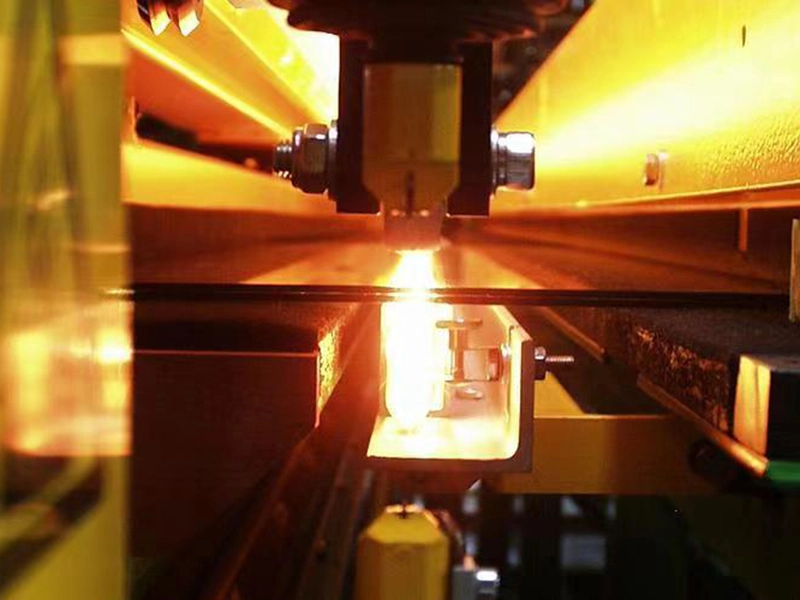
If you’ve ever worked with glass finishing, you know the struggle. You need to get rid of those internal stresses so the piece doesn’t shatter, but you have to do it without warping the whole thing. Most people start with traditional convection ovens. The problem? They’re slow. Really slow. Waiting for a giant chamber of air to heat up just kills your momentum on a continuous production line. That’s why we stick with shortwave infrared (IR) lamps. Instead of wasting time heating up the air around the glass, these lamps beam energy straight into the surface. It’s direct. It’s efficient. It’s about speed. The best part is the ramp-up time. These lamps hit their target temperature in seconds. If you’re running an inline setup and your line speed changes, you just tweak the heat zones on the fly. No stopping the belt. No waiting around for a massive oven to stabilize. And here’s a little peace of mind: if one lamp happens to burn out, the rest of the array reacts fast enough to keep the temperature steady. You don’t have to worry about a total thermal crash that ruins your entire batch. But, there’s a catch. To get the kind of heat flux glass needs, we have to use high wattage and specific voltage profiles. You need that punch to penetrate the glass quickly. The downside? Heat soak. When you pack that much power into a small space, things get hot—really hot. If your cooling fans or heat sinks aren’t up to the task, you’re going to fry your connectors. It’s a balancing act. We’ve handled the tedious stuff by making these lamps “drop-in” replacements. We use standard connectors so your maintenance team can swap out a dead tube without having to rewire the whole rack. Just a heads-up: those shortwave quartz tubes are fragile. They’re great for letting UV and IR through, but they can’t take a beating. Make sure your mounting brackets aren’t squeezing the glass too tight. If there’s too much mechanical stress, the tube will just snap as it expands from the heat. Keep them loose, keep them cool, and they’ll keep your line moving.