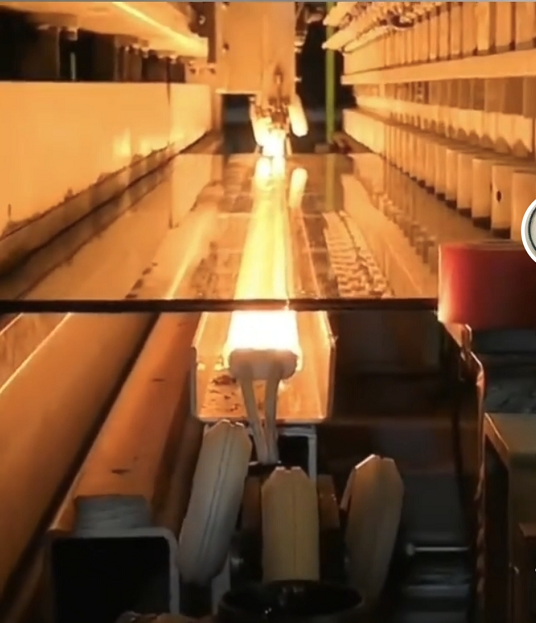
On the line, a weak dryer lamp doesn’t just cost you time—it can sink the whole run. When coatings, laminates, or insulating glass seals don’t cure cleanly, you end up with bubbles, poor adhesion, and thermal stress fractures that show up later. The lamp isn’t a nice-to-have. It’s process control, pure and simple. What matters under the hood We spec short-wave infrared (NIR) quartz elements because they dump energy straight into the glass and the coating stack. You get fast ramp-up and tight temperature control without cooking the surrounding hardware. Standard setups run 230 V/460 V, with power matched to line speed and glass thickness, and the footprint fits existing drying zones. Emitter output stays even across the width, so you cure the whole surface at once instead of chasing hot and cold spots. Why it plays nice with real processes In tempering, bending, lamination (EVA/SGP/PVB), and insulating glass sealing, the lamp shortens the thermal cycle while keeping surface temperature in a tight band. That cuts convection losses, reduces edge cooling gradients, and lowers the odds of optical distortion and breakage. Energy use drops because the lamp heats only what needs heating, and shorter cycle time boosts throughput without needing more floor space. A few shop-floor details Installation is straightforward, but you have to align the lamp to the glass path and set it for the coated surface’s emissivity. Keep operating distance and airflow around the quartz tube within spec—otherwise you’ll see localized overheating and shorten element life. Expect consistent output around 5,000+ hours before maintenance, and double-check connector and mounting compatibility with your OEM drying module.