Introduction
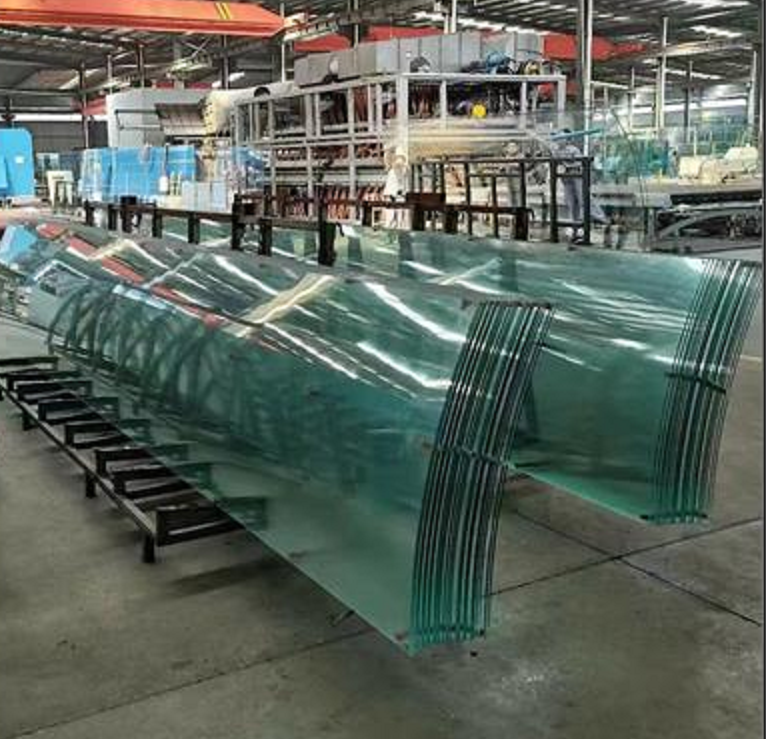
We build custom infrared drying units, made for laminated glass lines that handle screen-printed glass. Here’s the real goal: dry the glass fast and evenly—without making you clear out more floor space. These units slip straight into your existing line, swapping out those bulky convection ovens for a compact, high-intensity heat zone.
Technical Deep-Dive
We run these on 400V, not the usual 230V. Why? Because we need to push high current through a short, dense heating element. That voltage choice gives you a snappy thermal response and keeps output steady, even when the machine runs non-stop. And the footprint shrinks because of vertical power density—not because we cut power. You’re getting the same drying punch, packed into a much smaller footprint.
Material & Design
Inside, we use shortwave infrared halogen tubes with a quartz envelope and a reflective coating. That coating keeps the heat aimed right where it needs to be—down on the glass. It means less wasted energy, and it protects nearby parts and sensors. The R7s connector? It’s a simple, tool-free swap that holds the connection solid. On the production floor, that translates to less downtime when a lamp needs changing, and fewer hot spots from shaky connections.
Application & Benefits
On a screen-printed glass line, the ink binder has to cure fast—without scorching the glass. Shortwave infrared delivers heat that penetrates deep, curing the ink quickly while keeping the glass surface under control. The whole thing is built as a drop-in module. So you can reclaim up to 40% of your floor space without reworking conveyors or layouts. Now, there’s a trade-off. High-intensity infrared needs proper cooling and a clear line of sight to the glass. Plan your airflow and shielding up front. But if you match the unit to your line speed and glass thickness, you’ll get repeatable drying, minimal maintenance, and energy use you can count on.