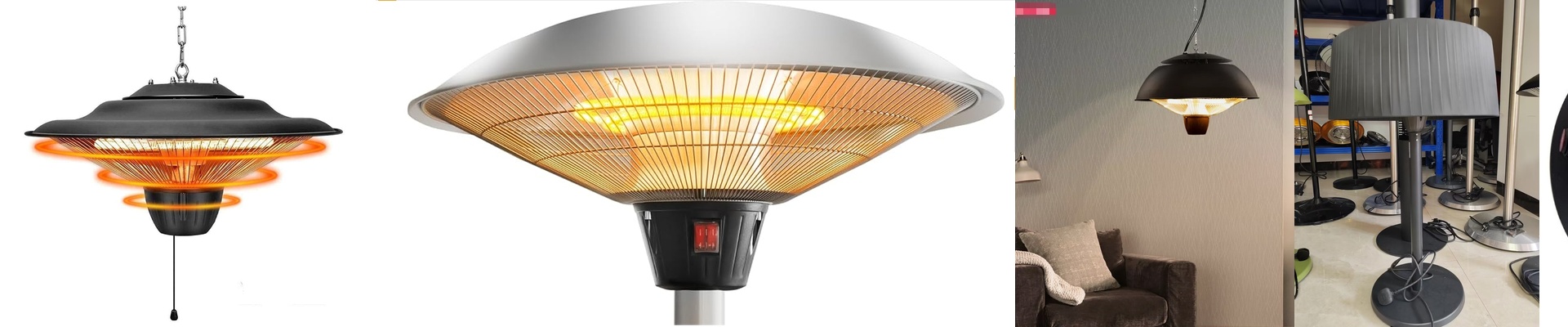
Why Your Infrared Heaters Keep Dying (And How We Fixed It)
If you’re running heaters in a place with high ceilings, you already know the deal. It’s a mess up there. Dust, humidity, and random airborne gunk are just part of the job. Most heaters aren’t built for that—they’re built for a clean room. That’s why we built our best-selling units differently. We wanted to stop the environment from killing the heating element before its time. The real reason things break Here is the thing: moisture is the enemy. When a stray splash of water or a cloud of steam hits a red-hot quartz tube, it doesn’t just evaporate. It causes thermal shock. Imagine pouring ice water on a hot pan—it cracks. The same thing happens here. You get micro-cracks in the glass or rust on the electrical contacts, and then? Pop. The heater is dead. We solved this by adding a dedicated anti-fog and splash-proof housing. Think of it as a raincoat for your heater. It pushes liquid away from the electrical guts and stops condensation from sitting right on the emitter. No fancy coatings, just solid build We aren’t into “magic” chemical coatings that peel off after a month. We went with a physical barrier instead. We sealed the wiring entries and used gaskets that can actually handle the stress of swinging from freezing to scorching. This stops moisture from “creeping” into the circuit and shorting the whole thing out. Plus, you won’t have to deal with breakers tripping every time the facility gets a bit humid. And because the anti-fog design keeps the glass clear, the heat actually reaches the floor instead of getting blocked by a layer of fog. The honest trade-off Now, there is a catch. Because of the protective shielding, these units are a bit bulkier. You can’t just squeeze them into a tiny, recessed corner like you could with a bare bulb. You’ll also want to make sure your mounting brackets can handle the extra weight. But honestly? It’s a trade we’d make every time. Your maintenance crew will thank you. They get to spend less time on a ladder swapping out burnt-out lamps and more time actually keeping the line moving. It takes a fragile piece of glass and turns it into a piece of shop-floor gear that actually lasts.