


Stop Buying Glass Dryers Based on Spec Sheets
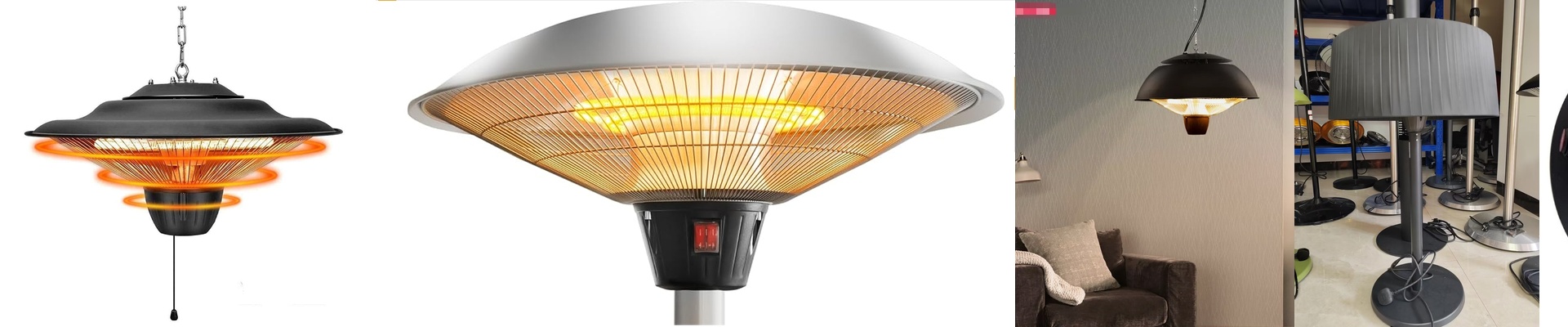
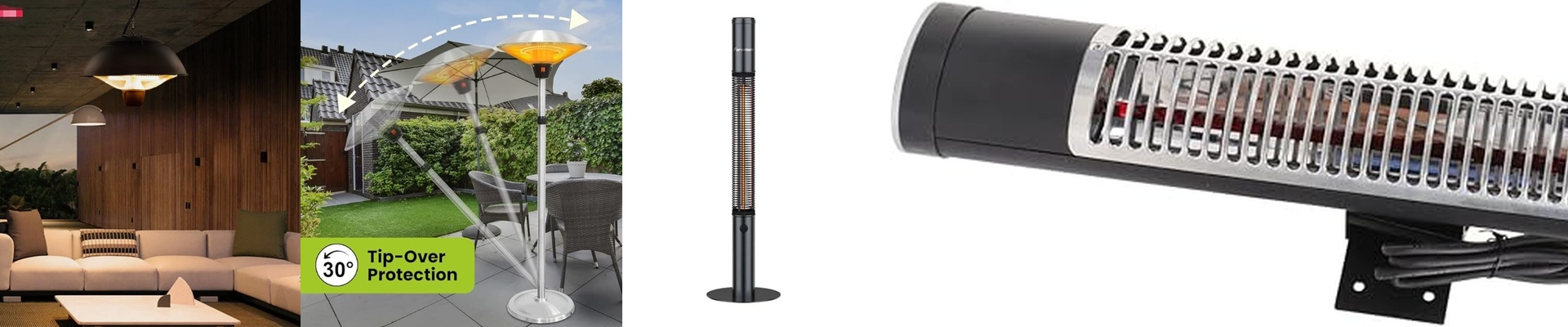
Here is the truth: if you buy a high-gloss glass dryer just by looking at a piece of paper, you’re probably going to end up with a headache. We see it all the time. A plant orders a set of IR lamps with the “perfect” wattage, but the glass still comes out looking like an orange peel or has these annoying cold spots. It’s frustrating. But usually, the lamp itself isn’t the problem. The real issue is how the heat actually moves across your entire line.
The tricky part of that mirror finish
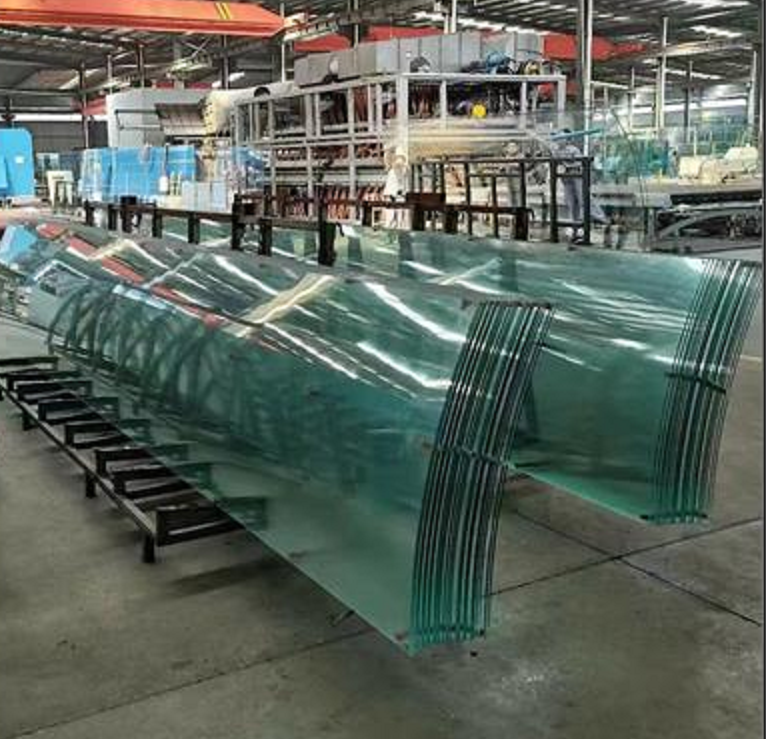
Getting that perfect, mirror-like shine is a balancing act. You have to get the solvents to evaporate and the resins to bond just right. If you hit it with too much heat too fast, the surface “skins over.” It traps the solvents underneath, and suddenly you’ve got bubbles. On the flip side, if the heat is too low, you lose that deep gloss. We don’t just put a heater in a box and ship it to you. We look at how fast your line is moving and how your specific glass reflects heat. A 2kW shortwave lamp might look great on a brochure, but if your conveyor gap is off by even 10mm, you’re losing a huge chunk of your heat.
Why we actually show up at your shop
We’d much rather send our engineers to your floor for a thermal audit. Why? Because we want to see what’s actually happening to the glass in real-time. Replacing a dead lamp is the easy part. The real work is in the heat curve. While we’re there, we’re hunting for a few things: *Dead Zones: Those sneaky spots where the glass just isn’t getting hot enough to cure. *Hot Spots: Areas where you’re risking a scorched finish. *The Power Draw: Making sure your electrical panel can handle the surge without popping a breaker every ten minutes.
The balancing act
It’s tempting to just crank up the heat to speed up the line. But there’s a catch. Higher heat density puts a lot of stress on your cooling fans and the filaments in the lamps. If you just keep bumping up the voltage to fix a slow cure, you’ll be replacing your tubes every few weeks. It’s all about finding that sweet spot where you get the throughput you need without burning through your equipment.