Getting Your IR Heating Right for Silk-Screen Tempering
Trying to combine silk-screen printing and tempering into one go is a bit of a balancing act. You’ve got to get that ink cured so the patterns look sharp, but you can’t just blast the glass with heat or you’ll warp the whole thing and ruin the strength. That’s where shortwave infrared (IR) lamps come in. They’re the secret to hitting that sweet spot.
Keeping the Patterns Sharp
The real headache here is the temperature gradient. If you take too long to heat things up, the ink can bleed or just won’t stick. But if you go too fast? Thermal shock. We use high-wattage IR lamps because they pack a punch. They push heat deep into the ink layer almost instantly, which locks the pattern in place before it has a chance to smudge. The best part is that it’s adjustable. You can slide the lamps closer or further from the glass to dial in the intensity. It’s a simple tweak, but it’s how you keep those crisp edges while getting the glass ready for the tempering stage.
The Gear Under the Hood
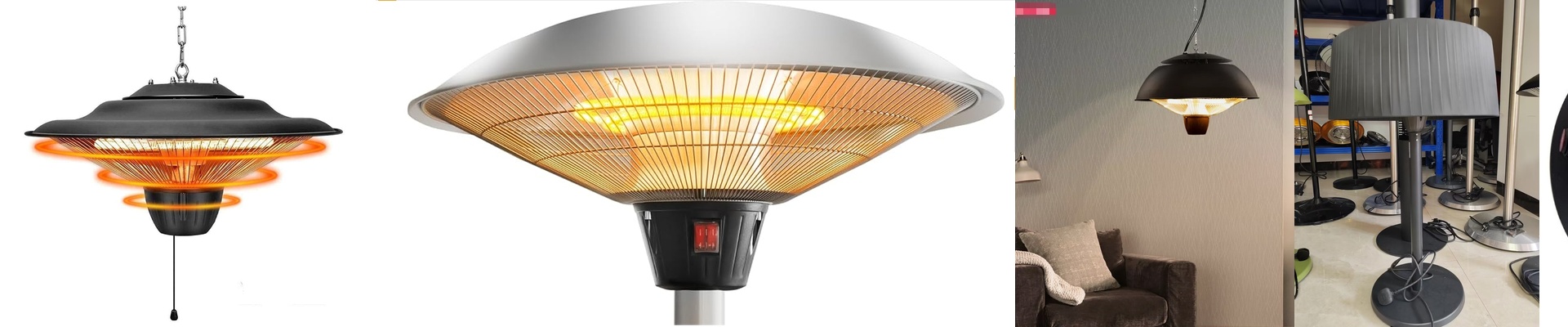
We usually go with quartz-halogen elements. Why? Because they can handle extreme heat without twisting or warping. Since we’re using the shortwave spectrum, the energy goes straight into the glass and the ink. It doesn’t waste time heating up the air around it, which saves you a decent amount on your power bill. To keep things smooth, we wire these into zoned controls. Instead of one big heat blast, we break the tunnel into separate banks. This lets you tweak the temperature as the glass moves through, which stops those annoying “hot spots” from warping your work.
The Trade-off
Here’s the thing: these high-intensity lamps are power-hungry. While a high-wattage array gives you the heat you need, it also creates a lot of heat around the hardware. You can’t skim on the cooling system for the lamp housings. If your ventilation isn’t up to the task, your connectors will literally burn out. It’s all about balance. You want the heat output to be high, but you need the machine to shed that ambient heat just as fast, or you’ll be replacing lamps way more often than you’d like.