

After a long day on the road, the last thing you need is a heater that sounds like a generator and eats your battery before bedtime. In an RV, noise and power draw aren’t just details—they decide how comfortable you are, how well you sleep, and how long you can stay off-grid without running for shore power.
What matters under the hood
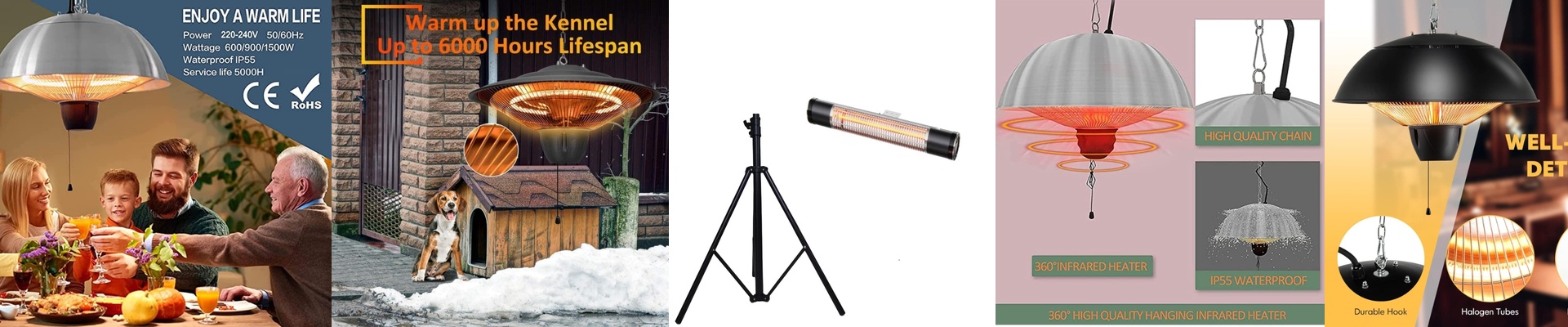
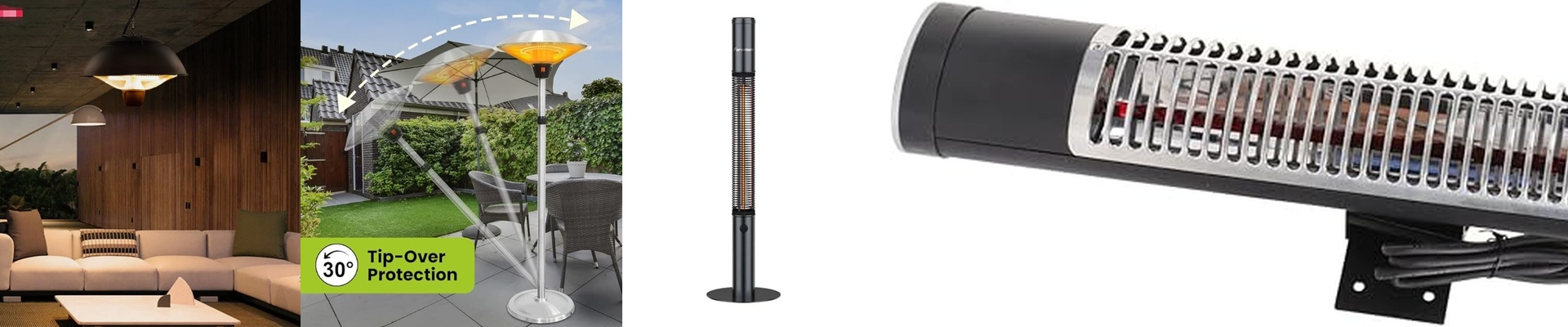
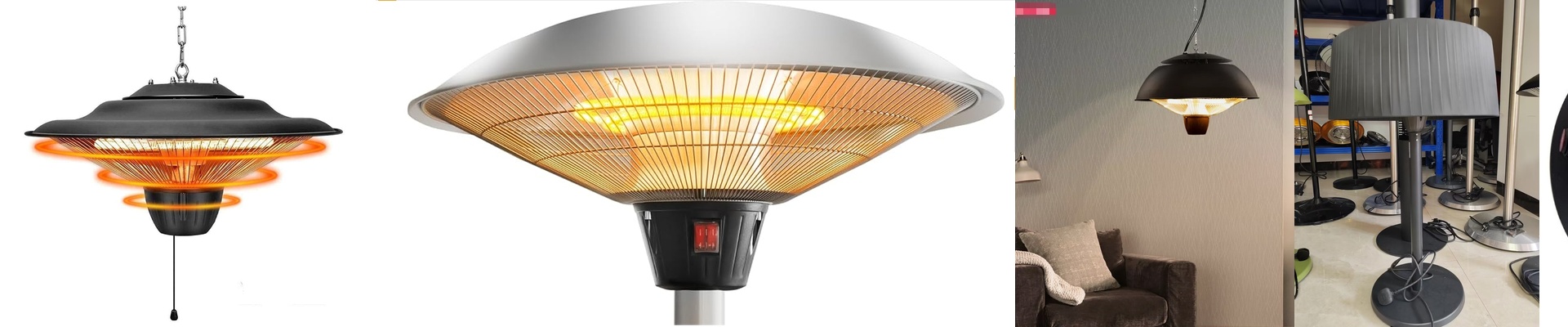
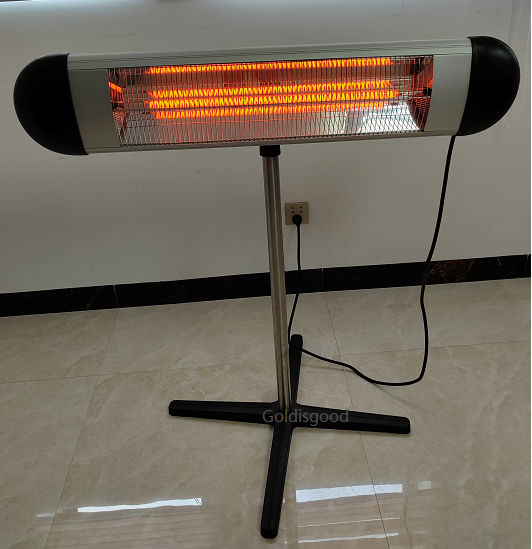
We built this compact infrared heater around a carbon fiber element. It heats up fast and puts out even radiant heat—warmth that travels outward and hits people and surfaces directly, instead of trying to warm every cubic foot of air. In practice, that means less noise—typically under 45 dB—so conversations, reading, and sleep don’t get drowned out. It runs on 120V shore power and pulls around 1,500W, a load most inverters and battery banks can handle, especially when paired with a modest inverter generator or shore connection. A built-in thermostat keeps comfort steady, and tip-over protection adds a practical safety layer.
Why this approach fits RV life
RV heating has to work within tight space and electrical limits. Because radiant warmth heats bodies and objects first, you can feel comfortable at lower air temperatures, which helps keep overall energy use in check. The unit’s footprint is small, so you don’t lose storage or walking room, and the quiet operation keeps the cabin calm—no fan roar, no rattling ducts. Whether it’s an evening under the stars or a cool morning on the road, you get heat that comes on quickly, settles into a steady rhythm, and makes the kind of rest that keeps travel enjoyable.
The details that matter up front
This unit is meant for indoor use in covered, protected RV spaces. It needs a stable, level surface and a nearby 120V outlet that can handle the 1,500W draw. It won’t replace a forced-air furnace when it’s very cold, and it isn’t rated for exposed outdoor rain or wind. Plan your power budget before you need it, and you’ll get dependable warmth without chasing noisy on-off cycles.