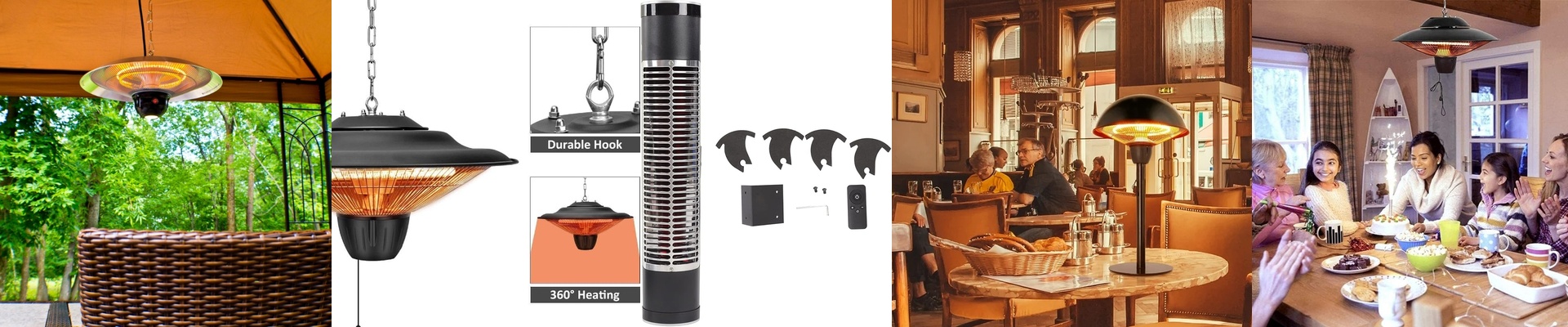
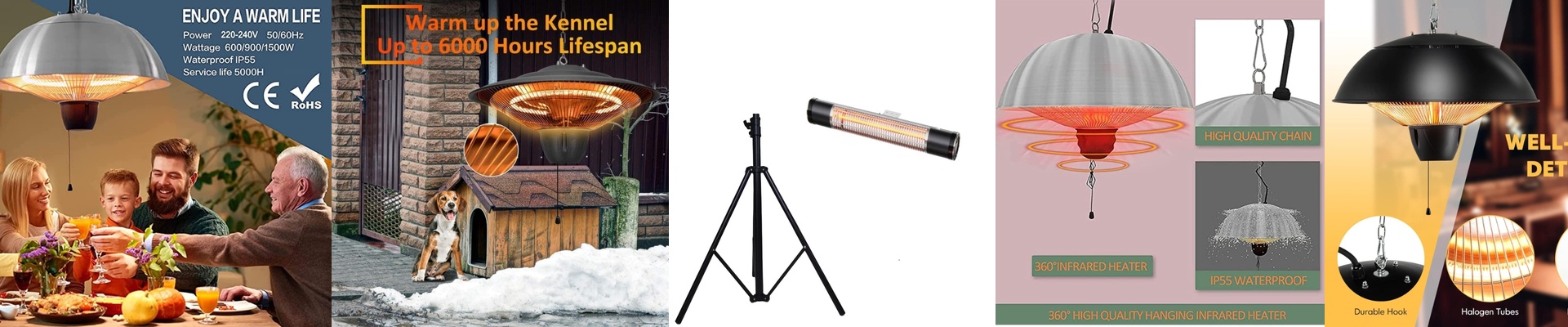
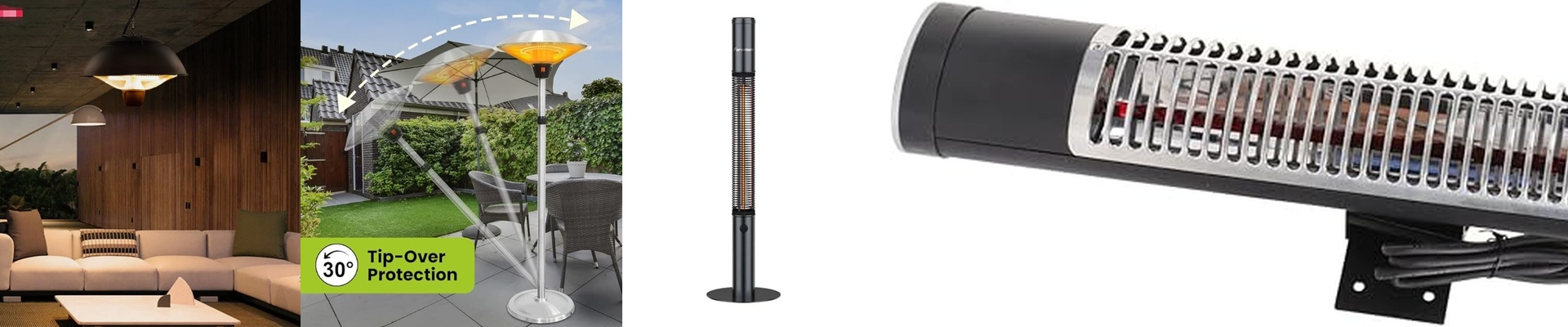
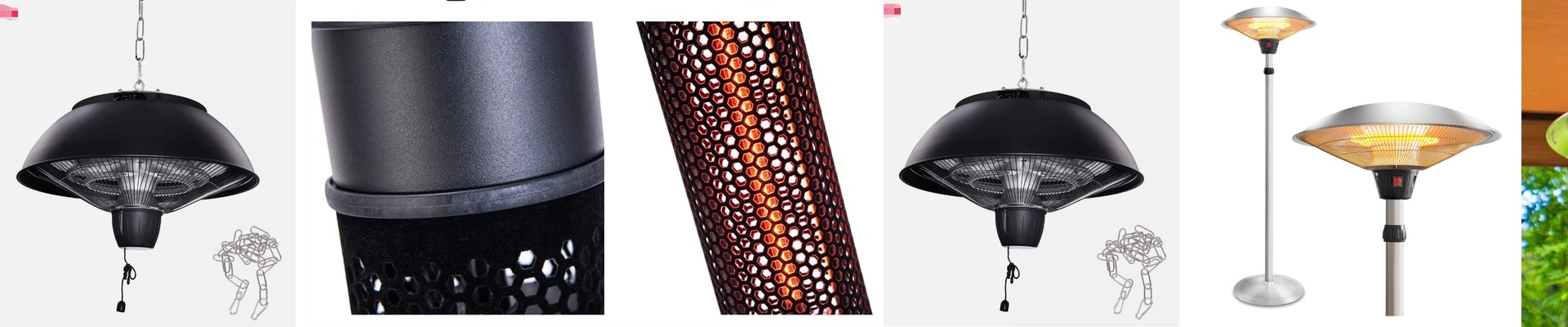
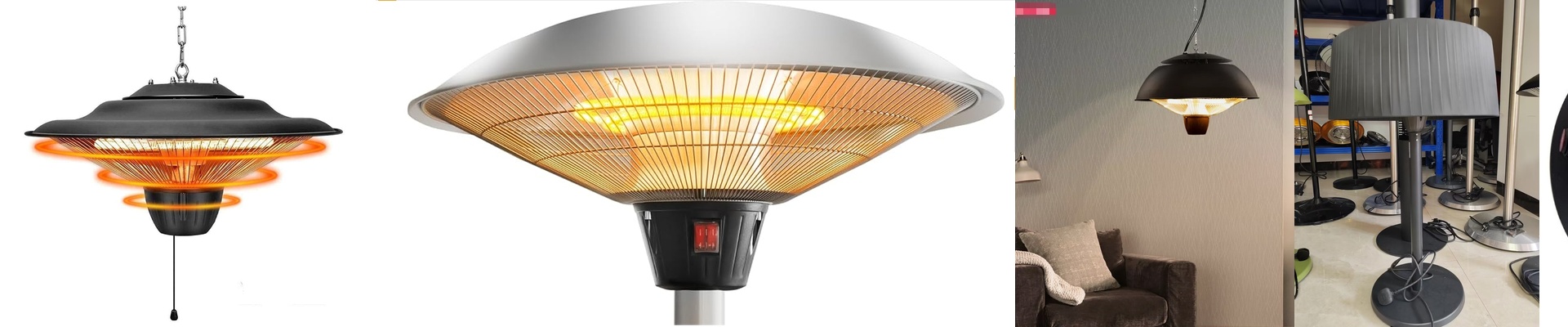
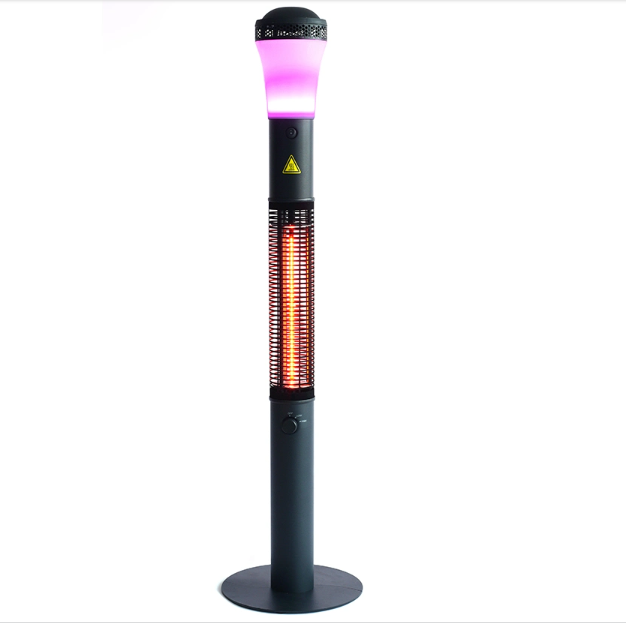
A mini space heater only feels comforting when it stays quiet and reliable. With an infrared heater, the element runs hot—often hotter than people expect—and that heat finds the weakest link every time. In our shop, that weak point is usually the lead wire where it meets the terminal. If that junction isn’t sealed properly, heat and moisture team up: insulation hardens, connections loosen, and the unit eventually trips into a high-temperature fault.
What matters under the hood
Infrared warmth comes from a radiant element—quartz tubes or a carbon fiber core—built to deliver direct heat, not warm air. That means the internal wiring has to carry full load current and still stay flexible enough to survive vibration and thermal cycling. We spec high-temp lead wire with consistent insulation thickness, then lock in strain relief and seal the entry with a rated grommet and adhesive-lined heat-shrink. The goal is mechanical stability plus a moisture-tight barrier that keeps oxygen away from the conductor. Add a thermal cutoff and tip-over protection, and the heater has a real shot at running long cycles without drifting into trouble.
Why this build matters in the real world
This matters most when you put a mini heater in damp or drafty places—garage workshops, covered patios, small sunrooms, or finished basements where the air never settles. A properly sealed lead path helps prevent the slow decay that shows up as flickering, intermittent heat, or sudden shutdowns. You get steady radiant heat that hits people and objects directly, so comfort comes back fast without waiting for the whole space to warm. Fewer service calls, fewer replacements, and more predictable performance—even when the heater is asked to run hour after hour.
What to keep in mind on the install
Even the best wiring won’t make up for a sloppy installation. Clear the unit on all sides, keep it away from combustibles, and plug it into a dedicated circuit when you can. If you’re running it outdoors, pick a heater rated for the exposure and protect the cord from traffic and pinch points. And remember: infrared heat is directional, so placement matters. Point it where you sit, and you’ll feel the difference right away.