


On the line, the conveyor keeps moving. The moment a pane hits the bending furnace, the clock starts ticking. If the glass doesn’t get to temperature quickly and evenly, you’re looking at shape drift, optical distortion, or a stress fracture that shows up later as spontaneous breakage. The same pressure hits the tempering line—slow ramp-up widens the gap between surface and core, and thermal stress blows past the safe window. In lamination, the adhesive film has a tight processing band. Under-heat gives you weak edges; over-heat yellows the interlayer. Coatings dry uneven when the heat front lags. Every extra minute in preheat is scrap, rework, and energy you’ll never get back. We built rapid preheating modules to hit those windows clean—fast, controlled, and repeatable. The point isn’t just speed. It’s predictable thermal behavior across the pane, so downstream processes run the way they were set.
What matters under the hood
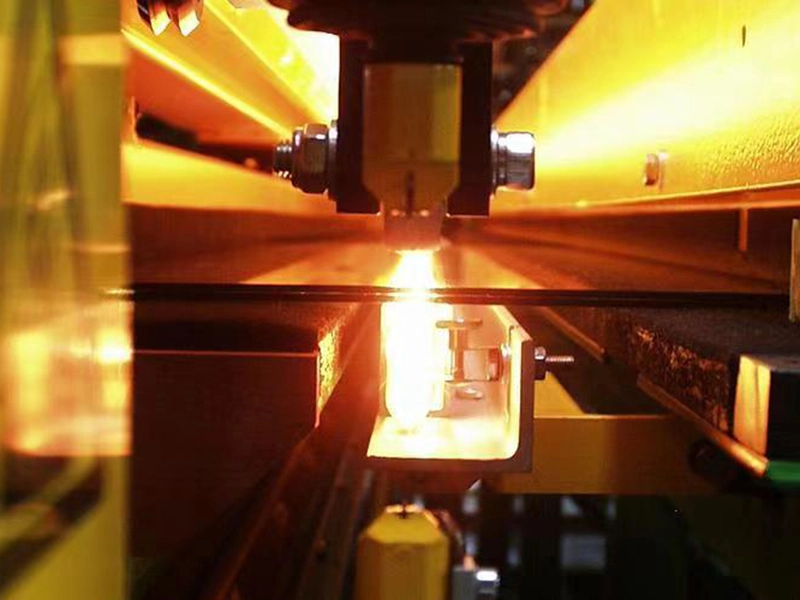
Rapid preheating for glass is about matching energy delivery to how the material responds. Glass conducts heat poorly and hates gradients, so the heating method has to deliver power quickly while keeping temperature distribution tight. We use short-wave infrared (SWIR) emitters in a modular array. Their output peaks where glass absorbs efficiently, heating the surface directly instead of relying on slow conduction through air. The modules are built for industrial duty—continuous operation at line speeds—and sized for standard voltages and compact footprints so they drop into existing ovens, furnaces, and drying hoods. The practical specs that matter:
- **Response time:**Full output in seconds, so you ramp fast without overshoot.
- **Power density:**High enough to close the gap between cycles, but adjustable in steps to match thickness and coating emissivity.
- **Thermal uniformity:**Zone-controlled layouts cut edge-to-center deltas, limiting stress build-up.
- **Efficiency:**Energy goes in as radiation, not wasted ambient heat. The heat stays on the glass. Controls matter as much as the heaters. Closed-loop temperature control with well-placed sensors keeps the profile stable shift after shift. When you switch glass types or thicknesses, the system adjusts quickly, keeping the process window consistent.
Why this plays in hot bending
In hot bending, the glass has to hit formability fast enough to keep the press cycle at its designed rate. Slow preheat forces you to back off press speed, and the glass bleeds heat during transfer. With rapid preheat, the pane enters the tool at the target temperature, the press closes on schedule, and the bend lands consistent edge to edge. Shape deviations drop, and you spend less time chasing the line after a thickness change.
Why it matters for tempering
Tempering is set up by the preheat phase. If the surface isn’t at setpoint when the pane reaches the quench station, the stress profile drifts. Too shallow, you lose strength. Too deep, you invite breakage during handling. Rapid, uniform preheat keeps the surface ready and the core close behind, so the quench delivers repeatable compression and the right fragmentation behavior.
Lamination—EVA, SGP, PVB—needs a clean thermal budget
In lamination, the film needs a precise thermal budget. Under-heat leaves voids and weak edges. Over-heat degrades the interlayer and wastes energy. The SWIR module puts heat into the stack quickly and evenly, so you can set the autoclave or oven dwell where the interlayer behaves, not where the heater is struggling to catch up. The payoff: fewer edge defects, higher first-pass yield, and a steadier cycle time.
Coating drying and curing hate thermal lag
Coatings on glass blister when the substrate heats too slowly, and skin over when the surface dries before the solvent can escape. Rapid preheat brings the glass into the drying window fast, then holds the profile so solvent leaves at a controlled rate. Fewer optical defects, less rework. Across these applications, the gains show up in the numbers you track:
- **Shorter ramp-up:**Cycle time drops because preheat no longer sets the line speed.
- **Tighter temperature spread:**Less edge-to-center variation cuts stress-related breakage.
- **Lower energy per pane:**Energy goes into the glass, not the room.
- **Fewer maintenance stops:**Industrial-rated components hold up to 24/7 operation.
The details that keep it running
Rapid preheating is straightforward to integrate, but you still have to get the line details right.
- **Clearance and line-of-sight:**Infrared needs a clean thermal path. Too far, and response slows. Too close, and you get hot spots. We size the gap and the array density to match pane width and the required profile.
- **Emissivity and coatings:**Tinted, coated, or reflective surfaces change absorption. The control strategy and emitter selection have to account for that. Plan a short setup window when you switch glass types.
- **Electrical and cooling:**The modules run at industrial voltages and are built for high duty cycles, but the supply has to match the load. Depending on the layout, you may need additional cooling for the housings to keep components in spec.
- **Process discipline:**Fast heating reduces the buffer. That’s a good thing when the whole line is balanced, but it also means downstream equipment has to keep up. Use the gained capacity to tighten the process window, not to chase the line. If your bottleneck is preheating, you don’t need a new line. You need heat that arrives on time, in the right pattern, with the control to keep it there shift after shift. Rapid preheating gives you that control, and turns the heating step from a bottleneck into a predictable part of the process.