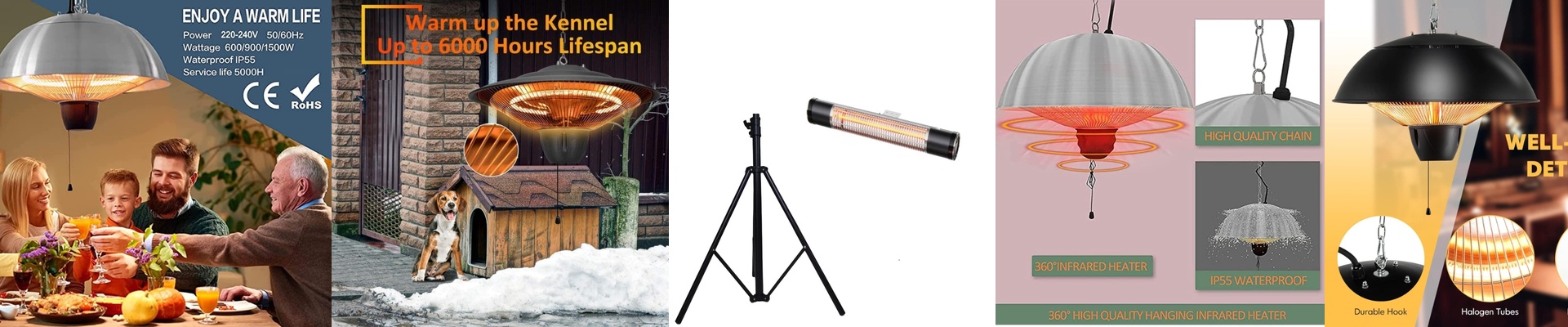
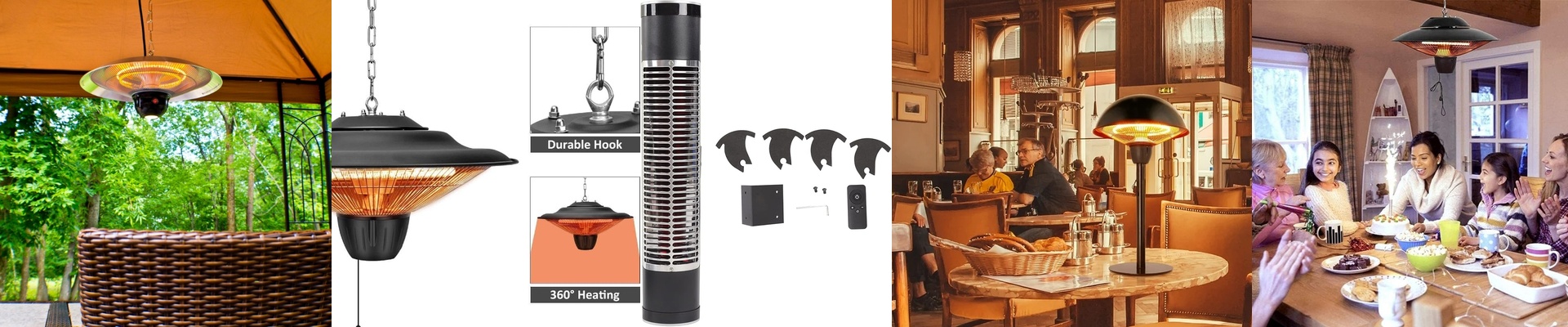
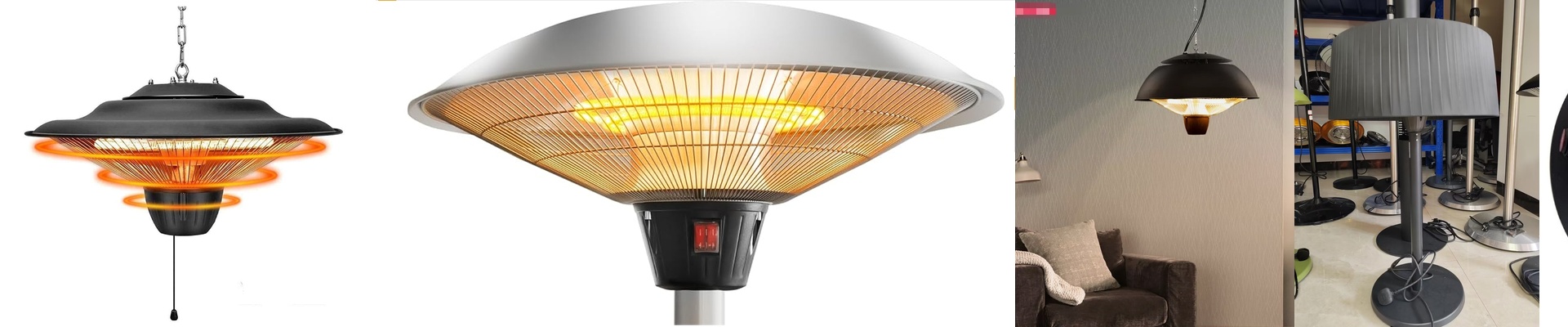
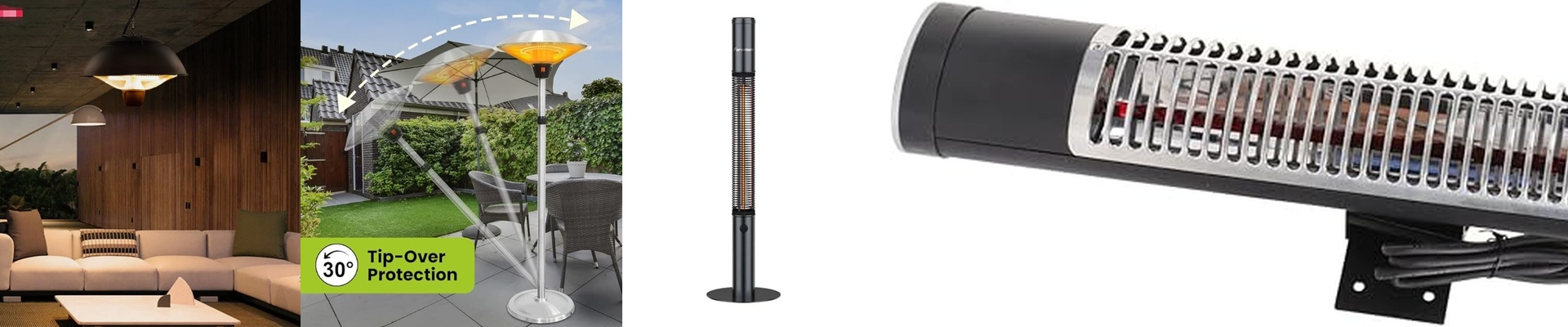
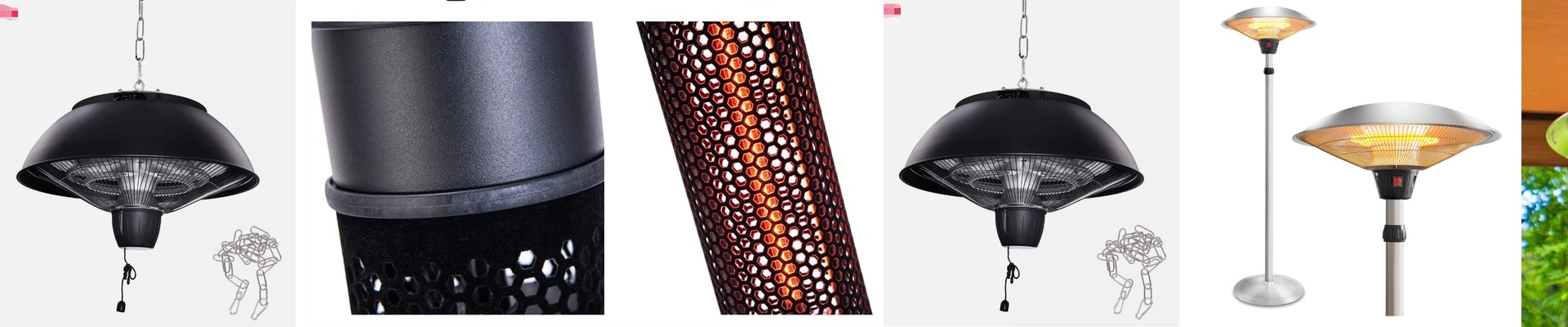

Even on a mild night, the patio can feel like its own weather system. You want heat that shows up the moment you step outside, not ten minutes later—and that shuts off clean, without hanging onto heat you already paid for. The headache is energy waste: heaters that keep radiating after you’ve gone inside, fighting your smart home schedule.
What matters under the hood
Infrared patio heaters work by radiant heat—warming people and surfaces directly, instead of trying to heat the air. The key number is low heat inertia: how fast the element heats up and cools down. Our electric infrared heater uses a carbon fiber element inside a quartz tube. It hits operating temperature in seconds and cuts output almost immediately when you switch it off. That quick response plays nicely with thermostats and smart controls, because the system doesn’t have to fight leftover heat. Outdoors, the design has to earn its keep. We run with a sealed housing and an IP rating to keep rain and dust out of the internals. Safety is built in: tip-over protection and an overheat cutoff. And it runs quiet, so you don’t have to raise your voice over the patio conversation or the music.
Why this fits a smart home
A smart home heating plan is only as efficient as the hardware doing the work. Low-inertia infrared warmth is a natural fit because it turns on and off with real precision. When motion sensors say the deck is empty, the heat drops fast instead of coasting. When the outdoor thermostat calls for warmth, you feel it right away—no long preheat wait. That cuts down on standby losses and stops you from paying to heat air that just drifts away. The upshot is outdoor comfort that feels effortless: you get cozy heat exactly when you want it, and the system keeps your energy use in line without constant fiddling.
What to keep in mind
Infrared heat is directional, so placement matters. Mount the patio heater where the radiant warmth sweeps across the seating area, and avoid spots where furniture or railings cast a shadow. For smart integration, pick a model with a standard thermostat input or Wi-Fi control that plays along with your existing hub. One practical trade-off: because the element glows, you’ll get a soft visible light while it’s heating. Some people notice it on dark evenings. Set a clear mounting height and run a dedicated outlet, and you’ll get the most consistent comfort and control.