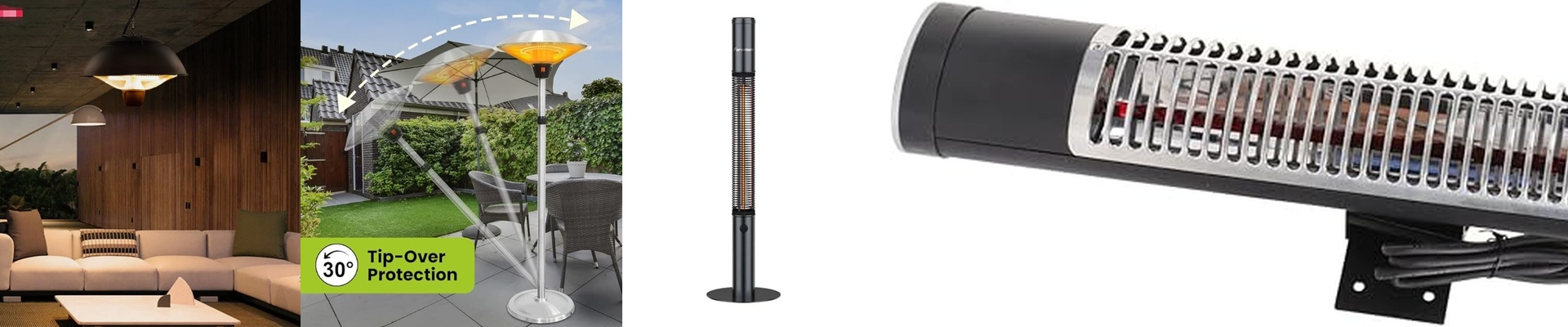
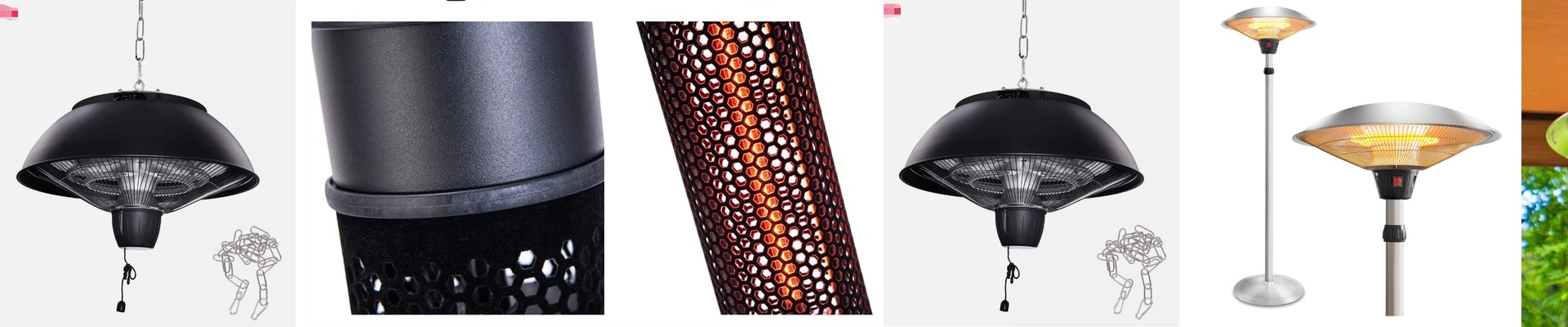
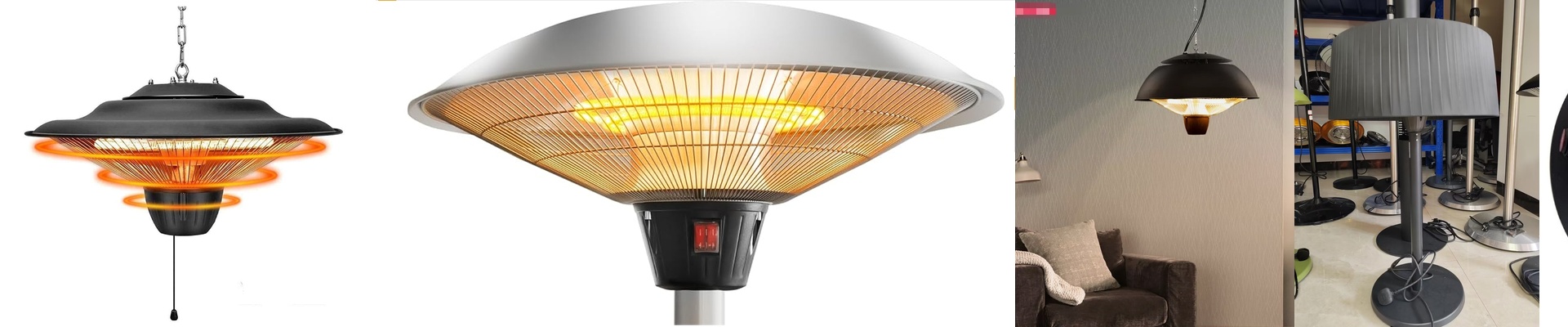
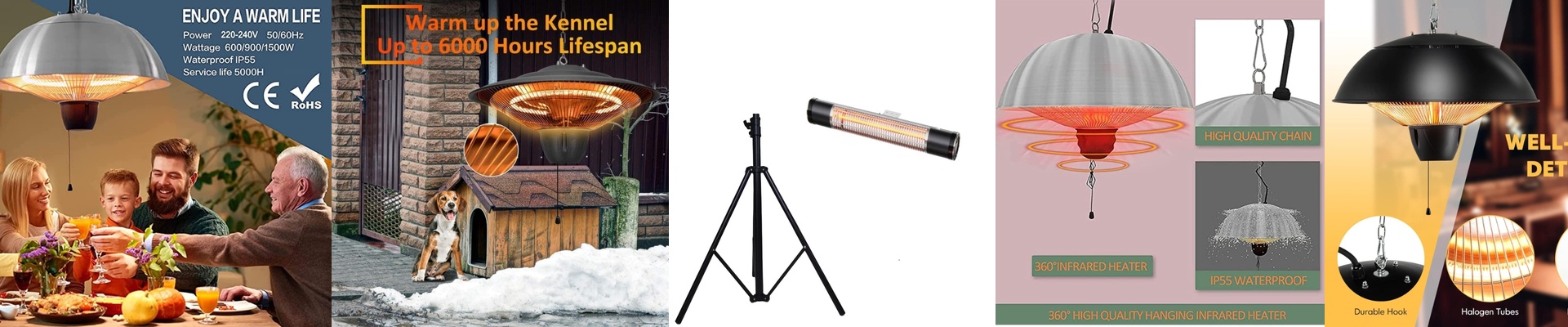
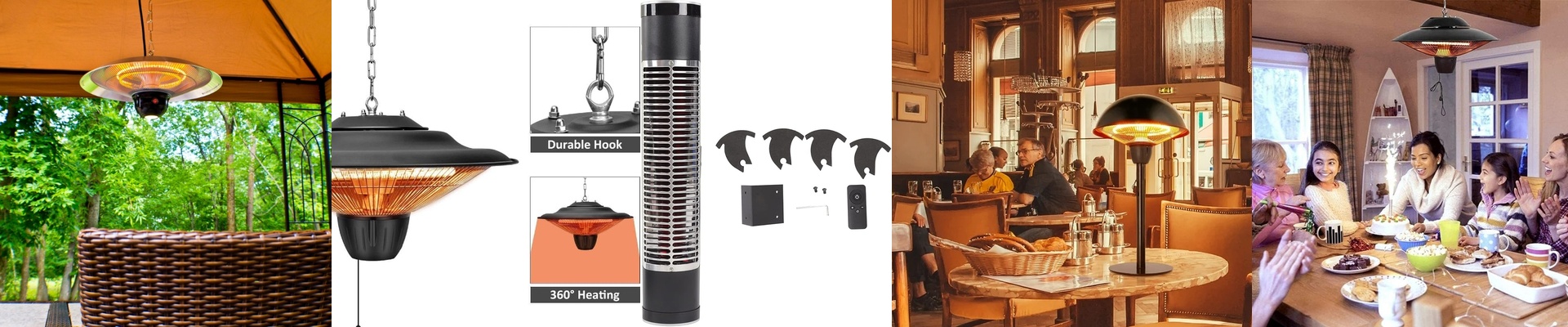
Step into your gazebo on a cool evening, and you want warmth—right now. Waiting for a heater to slowly warm the air means cold hands, guests shifting in their seats, and an outdoor season that ends too early. Infrared gazebo heaters cut through that frustration by delivering radiant heat you feel the instant you flip the switch.
What matters, technically
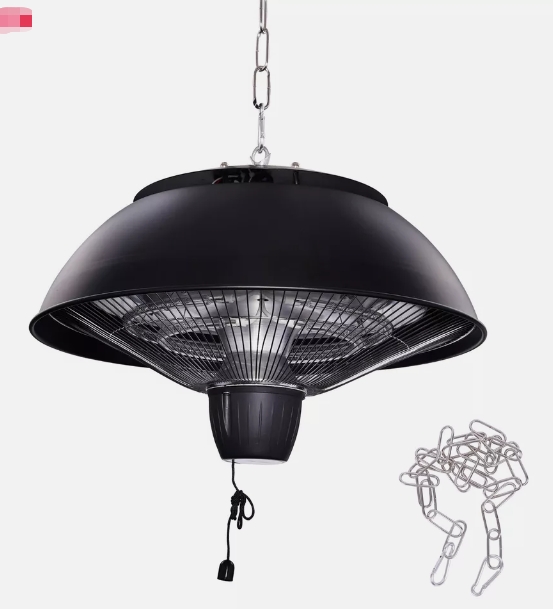
Outdoor infrared heaters work on radiant energy, not by heating the air. Inside, a quartz tube or carbon fiber element glows and throws short-wave or medium-wave infrared warmth that travels in straight lines—think sunlight, not forced air. The payoff is direct heat on people and surfaces, not wasted energy trying to warm empty space. In practice, that means you feel warmth within seconds, not minutes. Most electric models run on standard 120V outlets, pull between 1,500 and 1,500W for residential use, and mount cleanly overhead with the included hardware. A built-in thermostat keeps comfort steady, while tip-over protection and overheat protection give you peace of mind. For outdoor use, look for an IP rating that confirms protection against dust and water splashes.
Why this works so well in a gazebo
Gazebos are open-sided, so air moves freely and traditional convection heaters fight a losing battle. Infrared warmth goes straight to the people seated, warming arms, shoulders, and legs directly. You get a gentle, even heat that feels natural—no fan noise, no glare from an open flame. And it’s more than cozy. That steady warmth helps muscles relax and supports better circulation, so conversations stretch out and the evening feels effortless. Because the heating is focused and instant, you use less energy than you would trying to heat the whole volume of air, and you can enjoy the space on demand.
The things to get right
Plan for clearance to combustible materials and stick to the mounting height guidance to avoid overheating surfaces. Check your local electrical code for outdoor outlets and make sure you’re on a grounded connection. Infrared heaters are efficient at delivering comfort, but they warm objects and people directly, so the surrounding air can still feel cool. Pair the unit with a wind-resistant design or add side panels to keep the warmth where you want it. With proper placement, you end up with a dependable, low-maintenance way to extend the life of your outdoor room.