
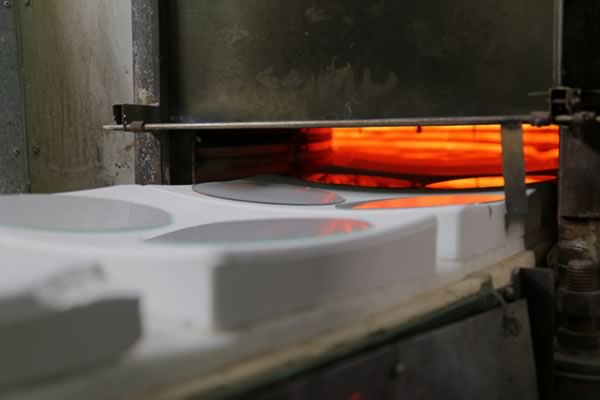
On the line, annealing isn’t just a step you check off. It’s the last shot you get to pull thermal stress out before the glass ships. When the oven can’t hold uniform temperature, you pay for it in warp, optical distortion, and scrap that shows up as rejected insulating glass units or bent glass that misses the geometry. We built our industrial annealing oven for floors where uptime, repeatability, and power cost are the real scoreboard. What actually matters under the hood We match the heating system to the glass with medium-wave infrared elements, chosen around emissivity. The response is quick, and zone control stays tight. In a typical 24 m tunnel, we hold the soak band within ±2 °C, so the lehr curve doesn’t drift when load spacing changes. High-efficiency insulation and recirculated air ducting cut waste heat loss, and variable-speed fans keep convection steady without overdriving the motors. The control interface stores product recipes and logs dwell time, so the same annealing schedule runs shift after shift without guesswork. Why this holds up in production High-throughput glass work punishes slow recovery and uneven heat. The oven snaps back to setpoint fast after a changeover, then holds the soak profile so stress relief happens evenly across the sheet. That means fewer tempering rejects, cleaner opticals on coated glass, and less rework getting glass ready for lamination. Energy use drops because the system spends less time chasing temperature and less time idling wide open. In a 24/7 plant, the reduction in kWh per square meter adds up quickly — and it shows up on electricity demand and peak load charges. The details that bite you if you ignore them Installation tolerances are tight. Conveyor tracking and air seals have to be aligned; otherwise you get cold spots at the entry and exit. The oven performs best when the load profile matches the lehr curve — if thickness or spacing varies a lot, you’ll need recipe adjustments. And plan on routine element inspection and cleaning. Dust and coating residues will quietly degrade heat transfer if you don’t stay on top of them.
라인에서는 어닐링이 단순히 완료해야 할 공정 단계가 아니다. 유리가 출하되기 전 열응력을 제거할 수 있는 마지막 기회다. 오븐이 균일한 온도를 유지하지 못하면 뒤틀림, 광학 왜곡, 단열유리 유닛의 불합격이나 형상이 맞지 않는 휜 유리와 같은 불량으로 비용을 치르게 된다. 우리는 가동 시간, 반복성, 전력 비용이 실제 성과 지표인 생산 현장을 위해 산업용 어닐링 오븐을 설계했다.
핵심적으로 중요한 요소
가열 시스템은 방사율을 기준으로 선택한 중파 적외선 요소와 유리를 맞춘다. 반응 속도가 빠르고 존 컨트롤이 정확하게 유지된다. 일반적인 24 m 터널에서는 적열 구간을 ±2 °C 이내로 유지하여 적재 간격이 변해도 lehr 곡선이 변하지 않도록 한다. 고효율 단열재와 재순환 공기 덕트를 통해 폐열 손실을 줄이고, 가변 속도 팬은 모터 과부하 없이 대류를 안정적으로 유지한다. 제어 인터페이스는 제품별 공정 조건을 저장하고 체류 시간을 기록하여, 동일한 어닐링 스케줄을 교대 근무마다 추측 없이 반복 실행할 수 있다.
생산 현장에서의 신뢰성 이유
고속 생산되는 유리 작업은 느린 회복과 불균일한 열 분포에 취약하다. 오븐은 교체 후 설정 온도로 빠르게 복귀하고, 적열 프로파일을 유지하여 시트 전체에 걸쳐 균일한 응력 완화를 보장한다. 이는 템퍼링 불량률 감소, 코팅 유리의 광학 품질 향상, 적층 준비를 위한 재작업 감소로 이어진다. 에너지 사용량도 온도 추적 시간과 과도한 공회전 시간이 줄어들어 감소한다. 24시간 7일 가동되는 공장에서는 제곱미터당 kWh 절감이 빠르게 누적되며, 전력 수요 및 최대 부하 요금 절감으로 나타난다.
간과하면 문제가 되는 세부사항
설치 허용 오차가 매우 엄격하다. 컨베이어 트래킹과 공기 밀봉이 정확히 맞지 않으면 입구와 출구에 냉점이 발생한다. 오븐은 적재 프로파일이 lehr 곡선과 일치할 때 최적 성능을 발휘하며, 두께나 간격이 크게 변동하면 공정 조건 조정이 필요하다. 또한 정기적인 가열 요소 점검과 청소가 필수적이다. 먼지와 코팅 잔류물이 쌓이면 열전달 효율이 서서히 저하된다.